Utility crews generate scrap metal constantly. Every project that includes water main replacements, gas line upgrades, and electrical infrastructure work removes metal that has real market value. For operations that treat that material as a managed resource rather than job site waste, recycling becomes a reliable revenue stream and a documented contribution to sustainability goals.
This guide covers the basics: what metals utility crews encounter most, how each is valued, what good field handling looks like, and how to set up a recycling process that works at the pace of active utility work.
The scrap metal mix varies by crew type, but most utility operations generate a combination of ferrous and non-ferrous material across their regular work.
Water infrastructure work generates some of the heaviest scrap volumes in the utility sector. Common materials include:
Cast iron and ductile iron are high-volume, heavy ferrous materials that price above standard steel. Copper and brass components are non-ferrous and significantly more valuable per pound. Keeping those two streams separated from the start is one of the most impactful things a water crew can do to maximize scrap returns.
Gas distribution and transmission work generates a more steel-heavy scrap stream, with some non-ferrous material depending on system age and configuration:
Older gas systems in urban areas often contain more copper and brass than newer infrastructure, which is worth noting when removing legacy material.
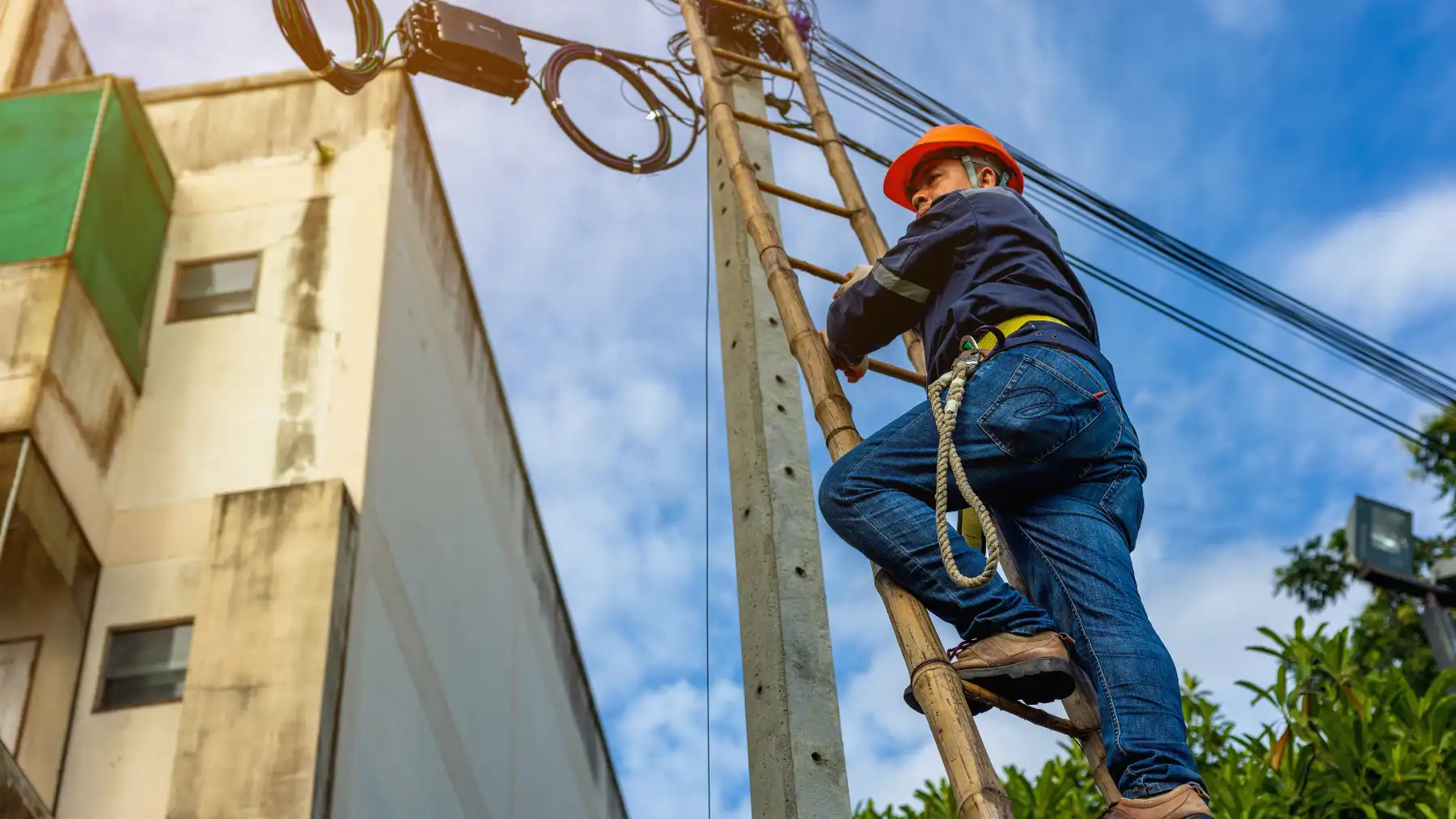
Electrical infrastructure work generates the highest concentration of non-ferrous metals across utility types:
Copper and aluminum are the primary value drivers in electric utility scrap. Both price well above ferrous material, and the gap between a clean, separated non-ferrous load and a mixed load is significant enough to make separation a standard field practice rather than an optional one.
Understanding how recyclers price utility scrap helps crews and project managers set realistic expectations and make better decisions about handling.
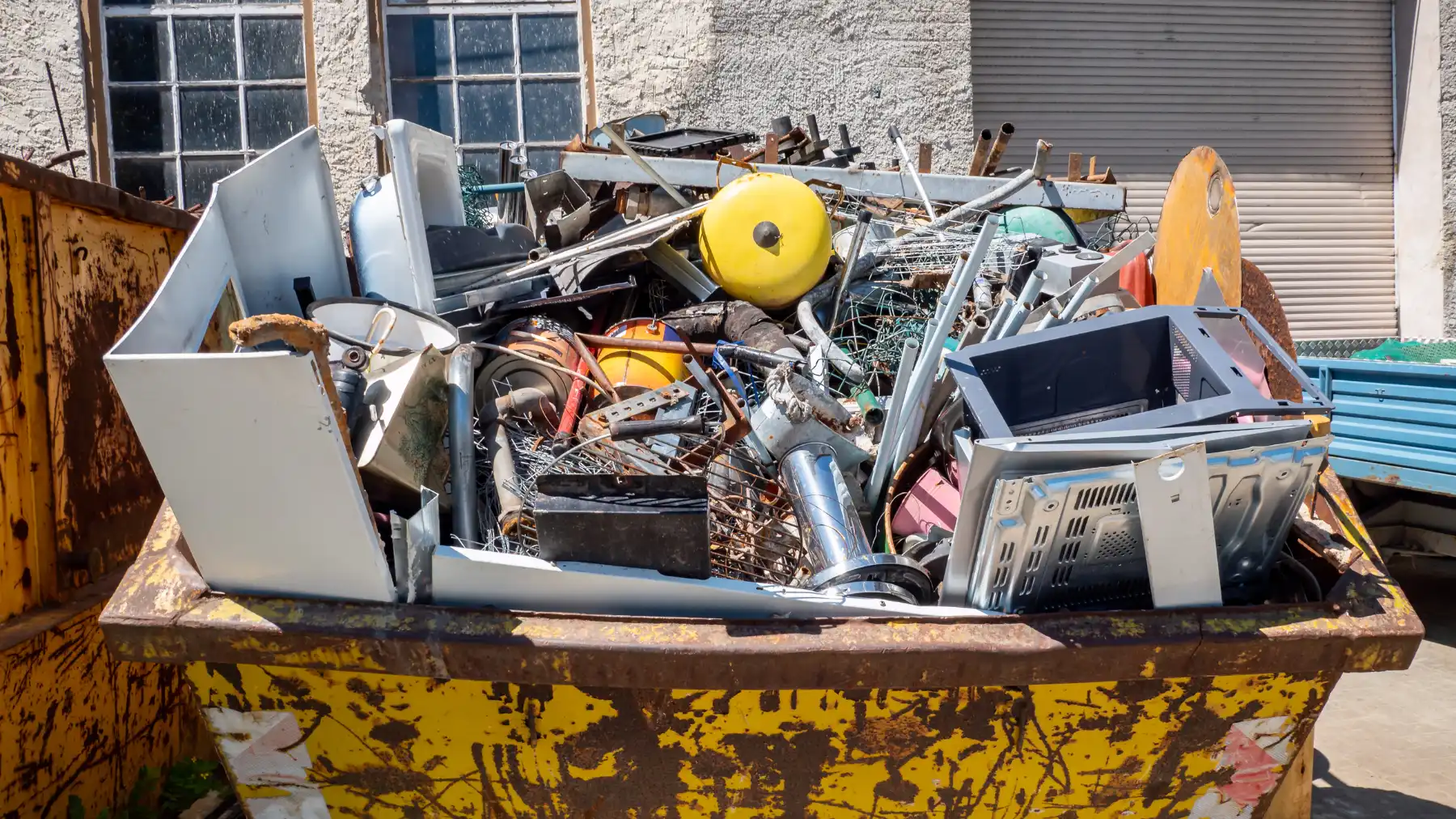
The most fundamental pricing distinction is between ferrous metals — iron and steel — and non-ferrous metals like copper, aluminum, and brass. Non-ferrous metals consistently price higher per pound, sometimes by a significant margin. A load of mixed ferrous and non-ferrous material gets priced at the lower ferrous rate unless the materials are separated.
Within non-ferrous metals, grade matters considerably. Bare bright copper prices higher than #1 copper, which prices higher than #2 copper, which prices higher than insulated wire. The differences between grades reflect the recycler's cost to process the material and the commodity value of the recovered metal. Clean, uncontaminated material in identifiable grades gets paid accordingly.
Non-metallic attachments like insulation, plastic fittings, rubber gaskets, and soil don't add value and can reduce a load's grade. Material that arrives reasonably clean and clearly identified grades more accurately and typically pays better than material requiring significant sorting or processing at the yard.
Good recycling returns start with consistent habits in the field. None of these require significant extra effort, but they compound in value across a full season of utility work.
Separate non-ferrous from ferrous at the point of removal. When copper service lines, brass valves, or aluminum conduit come off a job, they should go into a dedicated container rather than the general steel pile. A simple magnet test confirms the distinction: ferrous material sticks, non-ferrous doesn't.
Don't mix copper grades without reason. Insulated cable, bare conductor, and copper-containing equipment each have their own grade. Keeping them in distinct containers, even informally, allows the recycler to grade each accurately rather than averaging down a mixed load.
Use lockboxes for high-value material on unsupervised sites. Copper theft is a documented problem on utility job sites. A lockbox container for copper cable and non-ferrous material reduces exposure during overnight and weekend periods when the site isn't staffed.
Document material by project. Tracking scrap weight and material type per project supports project accounting, waste management plan requirements, and sustainability reporting. Settlement receipts from the recycling yard provide the numbers. The habit is simply filing them against the right project rather than treating them as miscellaneous income.
One-off drop-offs work for smaller jobs and individual crew loads. For utility companies running continuous maintenance programs or large capital projects, a container program is more efficient.
Iron & Metals provides container service across the Denver metro area with options suited to utility work: lockboxes for secured non-ferrous collection, luggers for smaller job site staging areas, and roll-offs for large infrastructure projects generating heavy ferrous volume. Containers are provided at no cost, sized to your material output, and picked up on a schedule that fits your project timeline.
Iron & Metals has worked with various Colorado utility companies for over 60 years. Our team understands the material mix, field logistics, and documentation requirements that come with utility operations.
We provide transparent, market-based pricing on all utility scrap metals, certified scale weights, and itemized settlement documentation on every transaction. Whether your operation drops off loads at our Denver yard or needs container service across active project sites, we can build a program around your volume and schedule.
Contact us to get started or stop by 5555 Franklin St in Denver, Monday through Friday, 8am to 4pm.