How Oil & Gas Companies Should Manage Industrial Scrap Metal in Active Field Operations

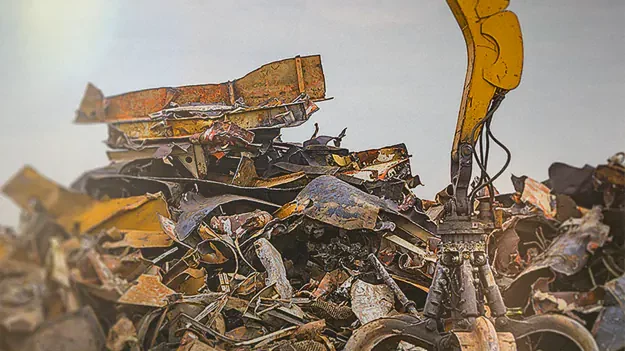
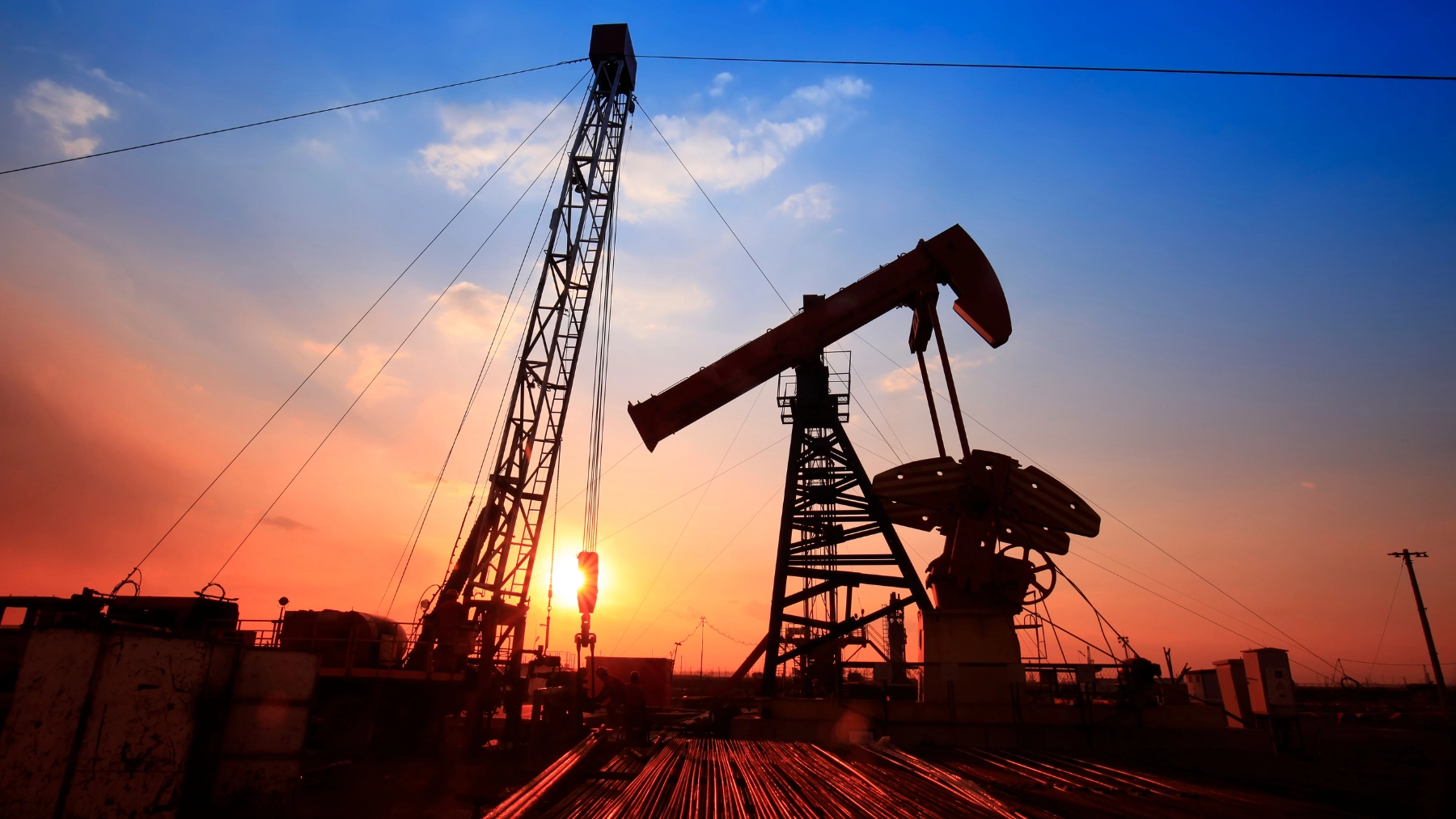
Oil and gas operations generate large volumes of metal waste. From pipeline replacements and facility upgrades to routine maintenance and decommissioning, industrial scrap metal is a constant byproduct of field work.

Unlike controlled manufacturing environments, field operations present unique challenges. Crews are often working in remote locations, under tight timelines, and around active infrastructure. That makes scrap metal management more complex — but also more important.

With the right approach, oil and gas companies can reduce disposal costs, improve site safety, and recover value from materials that might otherwise be overlooked.

Where Industrial Scrap Metal Comes From in the Field

Industrial scrap in oil and gas operations comes from a wide range of activities.

Because these materials are often removed in phases, scrap management needs to keep pace with ongoing operations.

The Risks of Poor Scrap Management

When industrial scrap metal is not handled properly, it creates immediate operational issues.

Metal piles can clutter active work zones, increasing safety risks for crews and equipment. Sharp edges, heavy materials, and unstable stacks create hazards that are avoidable with better organization.

Poor scrap handling can also slow down operations. Crews may need to move materials multiple times or work around accumulated debris, reducing efficiency.

There’s also a financial impact. When scrap is mixed with general waste or left uncollected, companies lose the opportunity to recover value and may pay higher disposal costs due to added weight.

In field environments where margins and timelines matter, these inefficiencies add up quickly.

Start with a Field-Ready Scrap Plan

Effective scrap management begins before work starts.

Project managers and field supervisors should identify expected scrap types during planning. Pipeline replacements, facility upgrades, and decommissioning projects all produce predictable metal waste streams.

Understanding what materials will be generated helps determine container needs, staging areas, and pickup schedules.

In remote or large-scale operations, coordinating scrap removal in advance prevents delays later in the project.

Keep Scrap Organized in Active Work Zones

In active field operations, organization is critical. Follow these tips for keeping work zones organized and safe:

Even basic separation improves recycling outcomes and simplifies processing.

Align Scrap Removal with Project Phases

Oil and gas projects rarely follow a single, continuous workflow. Work is often completed in stages, and scrap generation follows those same patterns.

Coordinating scrap pickup with project milestones helps maintain clean sites and prevents buildup.

For example, pipeline removal may generate large volumes of steel in a short period, while later electrical work produces smaller quantities of higher-value copper.

Matching pickup schedules to these phases ensures that containers are available when needed and removed before they become a problem.

Turn Industrial Scrap Metal into a Value Stream

Industrial scrap metal is not just a byproduct, it’s a recoverable asset.

Steel recovered from pipelines and structural systems can generate value based on tonnage. Copper from electrical systems and aluminum components often command higher per-pound pricing.

When materials are collected consistently and kept reasonably clean, they can offset hauling costs and reduce overall project expenses.

In long-term operations or multi-site projects, scrap recycling can become a predictable source of cost recovery.

Safety and Compliance Considerations

Oil and gas operations require strict adherence to safety and environmental standards. Scrap management should support those requirements.

Materials must be handled in a way that prevents hazards and protects workers. This includes proper stacking, secure storage, and clear access around scrap areas.

Environmental considerations are also important. Contaminated materials, such as those exposed to chemicals or fluids, may require special handling.

Working with an experienced recycling partner ensures that materials are processed appropriately and that documentation is available if needed for compliance or reporting purposes.

How Iron & Metals Supports Field Operations

Iron & Metals works with industrial operators across Colorado to manage scrap metal efficiently, even in demanding field environments.

We provide:

Our team understands the challenges of field operations and works to make scrap management straightforward and dependable.

Conclusion

Managing industrial scrap metal in oil and gas field operations is about more than cleanup. It’s about maintaining safe work environments, keeping projects on schedule, and recovering value from materials already built into the job. With proper planning, consistent organization, and reliable recycling support, scrap metal becomes part of a well-run operation — not a disruption.

Iron & Metals helps oil and gas companies across Colorado manage industrial scrap metal with practical solutions that support efficiency, safety, and cost control.

Contact our team ahead of your next project to see how we can help you recycle effectively and profitably.

An Industry Guide: How Does Scrap Metal Recycling Work?

Scrap metal recycling is an essential part of modern sustainability. It conserves natural resources, saves energy, and keeps valuable materials in circulation rather than in landfills. In Colorado, with its unique blend of industrial activity and environmental consciousness, metal recycling plays a vital role.

Let's take an in-depth look at how this process works.

Understanding Scrap Metal Recycling

Before diving into the specifics of Colorado, it's important to understand the basics of scrap metal recycling.

What is Scrap Metal?

Scrap metal comprises discarded metal suitable for reprocessing. It includes two primary categories:

Why Recycle Scrap Metal?

Recycling scrap metal has numerous benefits:

The Scrap Metal Recycling Process

The process of recycling scrap metal involves several key steps:

  1. Collection and Transportation: Scrap metal can be collected via container services from various sources, including households, businesses, and industrial sites. Or you can personally drive it to your local scrap yard that supports recycling drop off services.
  2. Sorting: Metals are sorted into ferrous and non-ferrous categories using magnets and other techniques.
  3. Processing: Metals are shredded, melted, and purified to ensure quality.
  4. Solidification and Transportation: The purified metal is solidified into bars, sheets, or other forms and transported to manufacturers.
  5. Manufacturing: Recycled metal is used to create new products, completing the recycling loop.

Metal Recycling in Colorado

Colorado’s diverse industrial and consumer landscape influences its scrap metal recycling:

Numerous facilities across Colorado specialize in metal recycling. These range from small, local scrap yards to large processing plants. They work closely with both industrial producers of scrap metal and individual consumers.

Industry-Specific Scrap Metal Recycling Solutions

Different industries generate unique types and volumes of scrap metal requiring specialized recycling approaches. Understanding how scrap metal recycling works for your specific industry helps maximize returns, reduce disposal costs, and meet sustainability requirements.

Utility Companies

Utilities often replace large volumes of metal cable, conduit, and transmission equipment. Recycling this material — especially copper and aluminum — helps recover significant value while reducing waste from infrastructure upgrades.

Common sources of valuable and recyclable materials include: 

Iron and Metals works with utility companies to provide on-site container services for large infrastructure projects, documentation support for asset disposal tracking, and scheduled pickup services that align with project timelines and maintenance schedules.

HVAC Contractors

From air conditioning units and furnaces to copper coils and aluminum ducting, HVAC work produces recyclable materials every day. Properly separating copper, aluminum, and steel components ensures top dollar for clean scrap while promoting sustainable service practices.

HVAC contractors can uncover value from various plumbing components and appliances:

The container programs offered by Iron and Metals support HVAC contractors managing commercial retrofits or seasonal equipment replacement volumes, while drop-off services accommodate residential contractors with steady but smaller material flows.

Plumbing Contractors

Plumbing generates some of the most valuable scrap metal in construction trades:

Iron and Metals offers plumbing contractors dedicated containers for high-value metals like copper and brass, mixed metal solutions for projects generating diverse materials, and flexible pickup scheduling that accommodates project-based work cycles.

Demolition Companies

Demolition projects generate large quantities of structural steel, rebar, conduit, and fixtures. Sorting metals on-site and using roll-off containers simplifies recycling logistics and increases project efficiency:

For demolition companies, we provide multiple container sizes including 40-yard roll-offs for large projects, rapid exchange services during active demolition phases, on-site sorting support for projects requiring material separation, and weight tickets and documentation for project accounting and regulatory compliance.

Telecommunications Companies

Old cables, hardware, and grounding systems contain high-value metals like copper and brass. Recycling this equipment responsibly reduces environmental impact and supports corporate sustainability goals.

Telecommunications infrastructure generates valuable and specialized scrap metals through network upgrades and equipment replacements:

Our team supports telecommunications companies with secure container services for valuable copper cable, coordinated pickup scheduling for infrastructure projects, documentation for asset tracking, and competitive pricing for diverse telecom metals.

Department of Transportation and Public Works

DOT and public works operations generate substantial scrap metal through road maintenance, bridge work, and infrastructure projects:

We work with government entities to provide contract pricing programs for ongoing recycling needs, container placement at maintenance facilities, scheduled route pickups coordinating with project timelines, and comprehensive documentation supporting procurement and sustainability reporting requirements.

Manufacturing and Industrial Facilities

Manufacturing operations generate consistent scrap metal streams from production processes and maintenance activities:

For manufacturers, Iron and Metals offers dedicated container placement within facilities, customized pickup schedules matching production cycles, material-specific pricing programs for high-volume single materials, and reporting and documentation supporting ISO certification and sustainability initiatives.

Commercial Construction Contractors

Commercial construction generates diverse metals through new construction and tenant improvement projects. Here’s where to look:

We support commercial contractors with job site container placement coordinating with construction schedules, multiple container options for material separation or mixed collection, project-based pickup scheduling, and documentation supporting LEED certification and green building requirements.

Automotive and Equipment Repair

Automotive repair and equipment maintenance operations generate consistent scrap metal from vehicle service and part replacements:

Iron and Metals provides automotive operations with convenient drop-off hours accommodating shop schedules, clear pricing for common automotive metals, small to medium container options matching typical volumes, and fast turnaround service minimizing time away from shop operations.

Getting Involved in Scrap Metal Recycling in Colorado

If you're in Colorado and looking to recycle scrap metal, here's how you can get involved:

For the Future

Scrap metal recycling is more than just a way to manage waste; it's a crucial component of a sustainable future. In Colorado, this process is shaped by the state’s unique characteristics and challenges. By understanding and participating in metal recycling, we can contribute to preserving natural resources, reducing environmental impact, and supporting the local economy. As we continue to innovate and improve recycling processes, the role of scrap metal recycling in Colorado will undoubtedly become even more significant.

Get started today and call us for your first FREE scrap metal container.