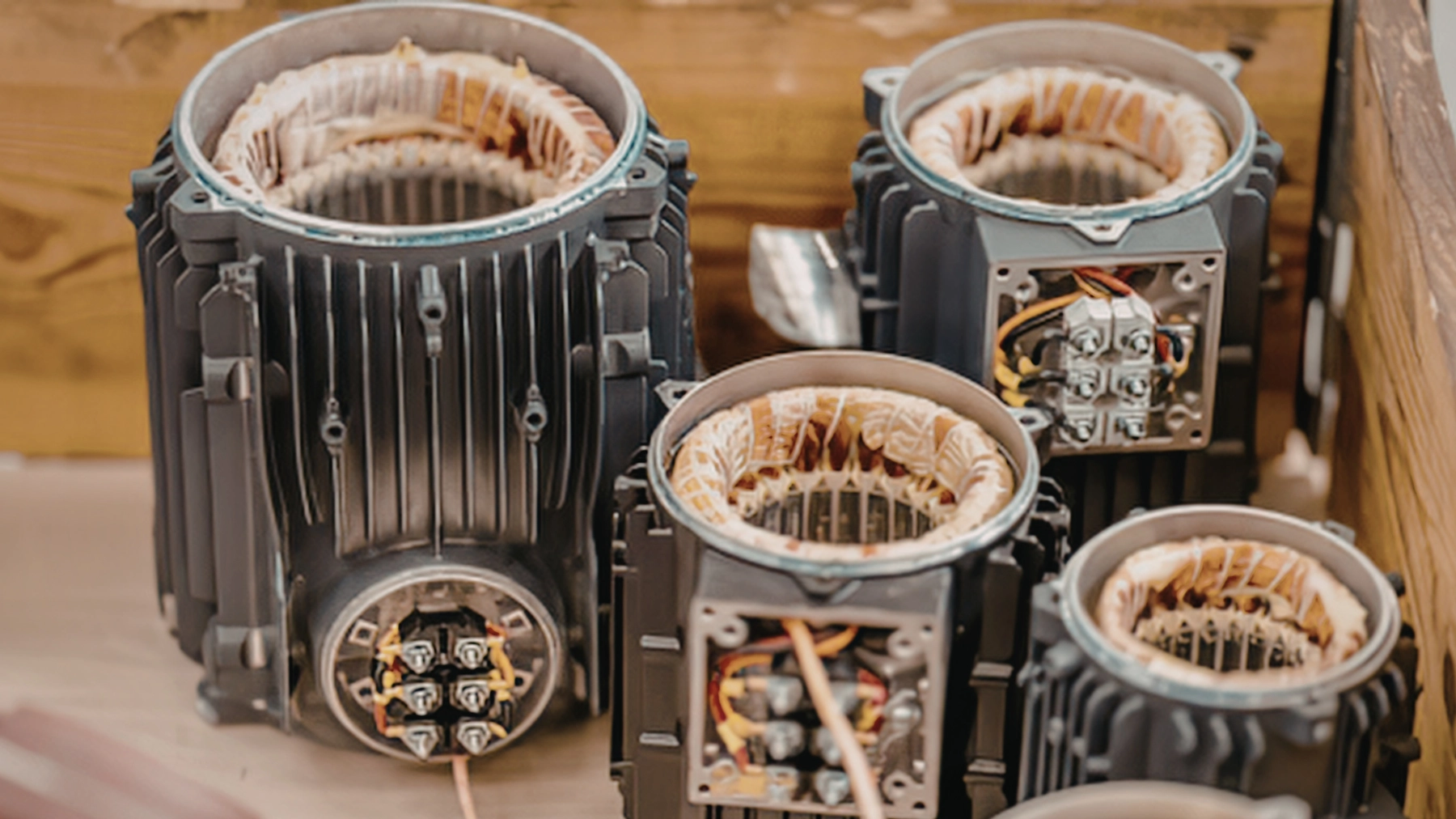
Electric Motor Scrap Value: How Repair Shops Can Recover More from Copper & Steel

Electric motors are at the heart of countless systems from HVAC units and industrial equipment to pumps, compressors, and shop machinery. For repair shops and service providers, motors are constantly being replaced, rebuilt, or scrapped.

What many shops don’t fully realize is how much value is sitting inside those units. Understanding electric motor scrap value can turn what’s often treated as waste into a consistent and profitable part of daily operations.

With the right handling practices, repair shops can recover more from both copper and steel while keeping their workspace organized and efficient.

What Determines Electric Motor Scrap Value?

Electric motor scrap value comes from the materials inside the unit. Most motors contain a combination of:

Copper is the most valuable component. Depending on the motor type, copper can make up a significant portion of the total value, especially in larger or industrial motors. Steel, while lower in value per pound, often makes up the majority of the motor’s weight. When processed in volume, it still contributes meaningful returns.

The overall value of a motor depends on:

Common Sources of Motor Scrap in Repair Shops

Repair shops see a steady flow of motors that are no longer worth rebuilding.

Typical sources include:

Over time, even smaller motors add up. Shops that consistently collect and recycle them can generate a steady stream of scrap value.

Whole Motor vs. Breakdown: What’s Worth It?

One of the most common questions is whether to recycle motors whole or break them down.

Recycling motors as complete units is the simplest option. It requires minimal labor and allows shops to quickly move material out without slowing down operations.

Breaking motors down to extract copper can increase value, but it also requires time, labor, and proper tools. For many repair shops, the added effort may not justify the return unless they are processing large volumes.

A practical approach is:

Understanding where that balance lies is key to optimizing returns.

Best Practices to Maximize Scrap Value

Improving electric motor scrap value doesn’t require major operational changes, just consistent habits.

How Scrap Motors Support Shop Efficiency

Beyond the direct value of materials, proper motor recycling improves shop operations.

Clearing out scrap motors regularly frees up space, reduces clutter, and improves safety. Heavy motors left on the floor or in work areas can create hazards and slow down workflow. Consistent scrap handling also reduces the time spent moving materials around the shop. Instead of dealing with buildup, teams can maintain a clean, organized workspace.

For many repair shops, these operational benefits are just as important as the scrap value itself.

Understanding Market Fluctuations

Electric motor scrap value is tied to the broader metals market.

Copper prices, in particular, can fluctuate based on global demand. Steel pricing also shifts based on supply and industrial activity.

While it’s not necessary to time the market perfectly, being aware of general trends can help shops decide when to accumulate material versus when to recycle.

Working with a recycler that provides transparent, current pricing helps ensure shops receive fair value for their scrap.

How Iron & Metals Supports Motor Recycling

Iron & Metals works with repair shops, contractors, and industrial operators across the Denver metro area to make motor recycling simple and efficient.

We provide:

Whether you’re recycling a few motors at a time or managing a steady flow of equipment, our team helps you recover value without disrupting your operation.

Final Thoughts

Electric motor scrap value is often overlooked, but it represents a consistent opportunity for repair shops to recover material value from everyday work.

By separating motors, handling them efficiently, and working with a trusted recycling partner, shops can turn scrap into a reliable part of their business.

Iron & Metals helps Denver-area repair shops maximize returns from electric motor recycling with transparent pricing and dependable service.

Do you have electric motor scrap lying around the shop? Contact us to schedule a pick up or visit us to drop off your scrap during business hours.

The Complete Guide to Cable Recycling for Telecom, Electrical, and City Contractors

From telecom upgrades and fiber rollouts to electrical rewiring and municipal streetlight projects, contractors handle thousands of feet of cable every year. When a job wraps up, crews often find themselves with piles of leftover copper or aluminum cable — sometimes mixed, sometimes damaged, sometimes still tightly coiled from a partial spool.

Throwing this material into a dumpster is expensive and wasteful. Cable recycling not only keeps valuable metals out of landfills but also creates a steady revenue stream for contractors who handle large-scale infrastructure work.

This guide explains everything telecom, electrical, and city contractors need to know about cable recycling — including how to handle excess cable, what types are accepted, how to maximize returns, and who to partner with in Colorado.

Why Cable Recycling Matters

For contractors who routinely replace or install telecom or electrical infrastructure, cables represent a high-value waste stream. Recycling them pays off in several ways:

  1. Recovering Valuable Copper and Aluminum: Most utility and telecom cables contain either copper or aluminum, both of which command strong scrap pricing. Even insulated cable maintains significant value when recycled properly.
  2. Reducing Disposal Costs: Cable is heavy and weight drives landfill fees. Recycling diverts material from mixed waste streams, cutting disposal and hauling expenses.
  3. Supporting Sustainability and Compliance: Cities, utilities, and commercial clients increasingly expect documented recycling practices. Recycled cable contributes to ESG reporting, municipal sustainability targets, and contractual waste-diversion requirements.
  4. Keeping Job Sites Clean and Safe: Cable scrap can tangle equipment, create tripping hazards, and crowd work areas. Dedicated cable recycling prevents clutter and improves workflow.

Types of Cable That Can Be Recycled

Iron & Metals accepts most metal-bearing cables commonly found on major projects:

Copper Cable

Copper is the highest-value cable type and delivers the best return when separated from other materials.

Aluminum Cable

Aluminum is lighter and pays less per pound, but high volumes from municipal or telecom work add up quickly.

Armored Cable (BX/MC)

These contain copper or aluminum wrapped in metal sheathing. They are recyclable, but removing fittings and excessive contamination improves payout.

What Can’t Be Recycled with Metal Cable

These items require specialized disposal, but the metal-bearing components are still highly recyclable.

What To Do With Leftover Cable After Major Jobs

Contractors often ask:
“What’s the best way to handle all this leftover cable?”

Here are the most effective options:

  1. Collect Cable in Dedicated Bins: Keep cable separate from demolition debris, trash, or dirt. Using dedicated containers ensures higher scrap value and easier handling.
  2. Sort by Material When Possible: Copper and aluminum should be collected separately. Mixed loads are still accepted but may receive blended pricing.
  3. Remove Connectors and Hardware: Stripping isn’t required, but removing metal connectors, cast fittings, and excessive plastic improves payout and speeds processing.
  4. Store Cable Securely: Copper cable is a theft target. Keep bins locked, covered, and in well-lit areas.
  5. Schedule Pickup or Drop-Off: Iron & Metals offers roll-off containers for large projects, bin delivery for long-term infrastructure work, drive-on drop-off at our Denver facility, and fast payment based on market value.

How Contractors Maximize Scrap Value

Getting the best return from cable recycling comes down to a few simple habits:

  1. Separate High-Value Materials: Bare copper, THHN, and heavy-gauge cable always earn the best pricing. Keeping them clean and separate is worth the effort.
  2. Keep Cable Dry and Clean: Moisture and soil don’t ruin cable, but they do complicate processing and may reduce value.
  3. Don’t Strip Light-Gauge Wire: Stripping thin wire wastes labor time and rarely increases earnings. Heavy-gauge cable, however, may justify stripping depending on market prices.
  4. Use a Trusted Recycler: Not every scrap yard pays the same. Local, metal-focused recyclers like Iron & Metals offer transparent and market-based pricing, accurate grading, fast and fair payment, and pickup service for large volumes ensuring contractors get the best return for their material.

Why Telecom, Electrical, and City Crews Work With Iron & Metals Inc

Contractors choose Iron & Metals because we specialize in copper and aluminum cable recycling and offer roll-off containers sized for major projects. Our convenient, fast drop-off service makes recycling easy, and we pay premium rates for clean, well-separated cable.

We also provide the documentation required for municipal or utility compliance and bring more than 60 years of experience supporting Colorado’s infrastructure crews. Whether you’re rewiring a building, upgrading a neighborhood grid, or replacing miles of telecom cable, our team makes recycling both efficient and profitable.

Conclusion

Cable recycling is one of the simplest ways contractors can reduce costs, improve sustainability, and recover significant value from leftover materials. With the right sorting practices and a reliable recycling partner, miles of scrap cable can turn into measurable revenue instead of expensive landfill waste.

Iron & Metals is proud to support Colorado’s telecom, electrical, and municipal teams with fair pricing, fast service, and dependable recycling expertise.

Recycle smarter. Earn more. Keep Colorado’s infrastructure projects moving. Contact our team to learn more.

Copper Wire Recycling: How Utility and Electrical Crews Can Maximize Returns

Copper is one of the most valuable and versatile metals in the utility and electrical industries. It’s durable, highly conductive, and used everywhere from transmission lines to building rewiring projects. But as new installations replace old ones, miles of copper wire end up as scrap.

Instead of letting that material go to waste, copper wire recycling turns it into steady revenue while reducing disposal costs and supporting sustainability goals. For utility and electrical contractors, knowing how to handle, sort, and sell copper scrap can make a major difference in profitability.

At Iron & Metals, we help Colorado’s utility providers and electrical crews recycle copper safely, efficiently, and at the best possible rates.

Why Copper Recycling Matters for Electrical and Utility Crews

Copper’s value in the scrap market has remained consistently strong for decades. Recycling it offers three major benefits for businesses that generate it regularly:

1. Higher Revenue Potential

Copper commands some of the highest scrap prices of any commonly used metal. Unlike steel or aluminum, even smaller quantities of copper wiring can yield significant returns.

2. Cost and Time Efficiency

Instead of paying to haul old wiring to landfills or scrap yards that underpay, working with a trusted recycler saves time and ensures fair compensation for every pound.

3. Environmental Responsibility

Recycling copper reduces the need for new mining and cuts energy consumption by up to 85% compared to producing new copper from ore. For companies committed to sustainability, it’s one of the easiest ways to demonstrate measurable impact.

Common Copper Wire Types Found on Job Sites

Not all copper wire is created equal and understanding the difference helps crews prepare it properly and maximize value.

Crews that separate and clean copper wire on-site before bringing it in for recycling typically earn the best rates.

wire recycling guide

How to Maximize Returns on Copper Wire Recycling

Recycling copper isn’t complicated, but a few smart steps can make a big difference in what you earn:

  1. Separate by Grade: Keep different types of wire in separate containers. Bare bright, insulated #1, and insulated #2 should never be mixed as each grade has a different value.
  2. Strip When It’s Worth It: Removing insulation increases copper purity and value. Stripping is most profitable when working with heavy-gauge wire that contains a lot of copper. For thinner wire, the labor cost may outweigh the return.
  3. Keep It Clean: Avoid contamination with steel, aluminum, or insulation debris. Dirt, oil, or connectors can lower your wire’s grade and reduce pricing.
  4. Store Securely: Copper theft is common on job sites. Store scrap in locked bins or secure areas and schedule regular pickups to avoid loss.
  5. Track Market Pricing: Copper prices fluctuate daily based on global demand. Partnering with a recycler who offers transparent, market-based pricing ensures you’re paid fairly and can choose the best time to sell.

Who Pays the Best for Scrap Copper Wire

The short answer: specialized, local metal recyclers like Iron & Metals.

While large-scale scrap yards or general waste facilities may buy copper, they often pay less because they handle mixed materials or use lower-grade pricing systems. By contrast, dedicated recyclers that specialize in metals and work directly with industry clients provide:

Iron & Metals consistently offers some of the best payouts for scrap copper wire in Colorado because we specialize in handling clean, sorted materials from professional crews — not general mixed waste.

Why Work With a Professional Recycler

For utility and electrical companies, time and safety matter. Working with an experienced metal recycler means:

Iron & Metals has been supporting Colorado’s trades and infrastructure industries since 1961, offering transparent pricing and dependable service tailored to contractors, utilities, and industrial clients.

How Iron & Metals Inc Supports Utility and Electrical Crews

Our process is built for busy crews who want to recycle copper efficiently and get paid fairly:

  1. Container Delivery – We provide bins or roll-off containers for job sites, sized to fit your volume and wire type.
  2. On-Site Collection – Crews can load scrap directly into containers during rewiring or maintenance work.
  3. Pickup and Drop-Off Options – Schedule pickups or drop-off directly to our Denver facility.
  4. Weighing and Grading – We use certified scales and trained staff to grade wire accurately by type.
  5. Quick Payment – Receive immediate, transparent payment based on current market rates.

Whether you’re rewiring a neighborhood grid, replacing building systems, or clearing an old facility, Iron & Metals makes copper wire recycling fast, fair, and simple.

Conclusion

For utility and electrical crews, copper wire recycling isn’t just good for the environment — it’s a smart business practice that directly improves the bottom line. With proper sorting, clean handling, and a reliable recycling partner, you can turn leftover wire into meaningful revenue while staying compliant and sustainable.

Iron & Metals pays top dollar for scrap copper wire and provides the support crews need to recycle efficiently. From pickup service to drive-on drop-offs, we make it easy to get paid for every pound.

Contact our team to learn more.

An Industry Guide: How Does Scrap Metal Recycling Work?

Scrap metal recycling is an essential part of modern sustainability. It conserves natural resources, saves energy, and keeps valuable materials in circulation rather than in landfills. In Colorado, with its unique blend of industrial activity and environmental consciousness, metal recycling plays a vital role.

Let's take an in-depth look at how this process works.

Understanding Scrap Metal Recycling

Before diving into the specifics of Colorado, it's important to understand the basics of scrap metal recycling.

What is Scrap Metal?

Scrap metal comprises discarded metal suitable for reprocessing. It includes two primary categories:

Why Recycle Scrap Metal?

Recycling scrap metal has numerous benefits:

The Scrap Metal Recycling Process

The process of recycling scrap metal involves several key steps:

  1. Collection and Transportation: Scrap metal can be collected via container services from various sources, including households, businesses, and industrial sites. Or you can personally drive it to your local scrap yard that supports recycling drop off services.
  2. Sorting: Metals are sorted into ferrous and non-ferrous categories using magnets and other techniques.
  3. Processing: Metals are shredded, melted, and purified to ensure quality.
  4. Solidification and Transportation: The purified metal is solidified into bars, sheets, or other forms and transported to manufacturers.
  5. Manufacturing: Recycled metal is used to create new products, completing the recycling loop.

Metal Recycling in Colorado

Colorado’s diverse industrial and consumer landscape influences its scrap metal recycling:

Numerous facilities across Colorado specialize in metal recycling. These range from small, local scrap yards to large processing plants. They work closely with both industrial producers of scrap metal and individual consumers.

Industry-Specific Scrap Metal Recycling Solutions

Different industries generate unique types and volumes of scrap metal requiring specialized recycling approaches. Understanding how scrap metal recycling works for your specific industry helps maximize returns, reduce disposal costs, and meet sustainability requirements.

Utility Companies

Utilities often replace large volumes of metal cable, conduit, and transmission equipment. Recycling this material — especially copper and aluminum — helps recover significant value while reducing waste from infrastructure upgrades.

Common sources of valuable and recyclable materials include: 

Iron and Metals works with utility companies to provide on-site container services for large infrastructure projects, documentation support for asset disposal tracking, and scheduled pickup services that align with project timelines and maintenance schedules.

HVAC Contractors

From air conditioning units and furnaces to copper coils and aluminum ducting, HVAC work produces recyclable materials every day. Properly separating copper, aluminum, and steel components ensures top dollar for clean scrap while promoting sustainable service practices.

HVAC contractors can uncover value from various plumbing components and appliances:

The container programs offered by Iron and Metals support HVAC contractors managing commercial retrofits or seasonal equipment replacement volumes, while drop-off services accommodate residential contractors with steady but smaller material flows.

Plumbing Contractors

Plumbing generates some of the most valuable scrap metal in construction trades:

Iron and Metals offers plumbing contractors dedicated containers for high-value metals like copper and brass, mixed metal solutions for projects generating diverse materials, and flexible pickup scheduling that accommodates project-based work cycles.

Demolition Companies

Demolition projects generate large quantities of structural steel, rebar, conduit, and fixtures. Sorting metals on-site and using roll-off containers simplifies recycling logistics and increases project efficiency:

For demolition companies, we provide multiple container sizes including 40-yard roll-offs for large projects, rapid exchange services during active demolition phases, on-site sorting support for projects requiring material separation, and weight tickets and documentation for project accounting and regulatory compliance.

Telecommunications Companies

Old cables, hardware, and grounding systems contain high-value metals like copper and brass. Recycling this equipment responsibly reduces environmental impact and supports corporate sustainability goals.

Telecommunications infrastructure generates valuable and specialized scrap metals through network upgrades and equipment replacements:

Our team supports telecommunications companies with secure container services for valuable copper cable, coordinated pickup scheduling for infrastructure projects, documentation for asset tracking, and competitive pricing for diverse telecom metals.

Department of Transportation and Public Works

DOT and public works operations generate substantial scrap metal through road maintenance, bridge work, and infrastructure projects:

We work with government entities to provide contract pricing programs for ongoing recycling needs, container placement at maintenance facilities, scheduled route pickups coordinating with project timelines, and comprehensive documentation supporting procurement and sustainability reporting requirements.

Manufacturing and Industrial Facilities

Manufacturing operations generate consistent scrap metal streams from production processes and maintenance activities:

For manufacturers, Iron and Metals offers dedicated container placement within facilities, customized pickup schedules matching production cycles, material-specific pricing programs for high-volume single materials, and reporting and documentation supporting ISO certification and sustainability initiatives.

Commercial Construction Contractors

Commercial construction generates diverse metals through new construction and tenant improvement projects. Here’s where to look:

We support commercial contractors with job site container placement coordinating with construction schedules, multiple container options for material separation or mixed collection, project-based pickup scheduling, and documentation supporting LEED certification and green building requirements.

Automotive and Equipment Repair

Automotive repair and equipment maintenance operations generate consistent scrap metal from vehicle service and part replacements:

Iron and Metals provides automotive operations with convenient drop-off hours accommodating shop schedules, clear pricing for common automotive metals, small to medium container options matching typical volumes, and fast turnaround service minimizing time away from shop operations.

Getting Involved in Scrap Metal Recycling in Colorado

If you're in Colorado and looking to recycle scrap metal, here's how you can get involved:

For the Future

Scrap metal recycling is more than just a way to manage waste; it's a crucial component of a sustainable future. In Colorado, this process is shaped by the state’s unique characteristics and challenges. By understanding and participating in metal recycling, we can contribute to preserving natural resources, reducing environmental impact, and supporting the local economy. As we continue to innovate and improve recycling processes, the role of scrap metal recycling in Colorado will undoubtedly become even more significant.

Get started today and call us for your first FREE scrap metal container.

An Electrician’s Guide to Wire Recycling

Electrical wire recycling represents a significant revenue opportunity for electricians, contractors, and demolition professionals who regularly handle copper wiring in their work. With copper consistently ranking among the most valuable recyclable metals, understanding proper wire recycling techniques and preparation methods can substantially impact project profitability while supporting environmental sustainability.

At Iron and Metals, we process substantial volumes of electrical wire from residential, commercial, and industrial sources throughout Colorado. Our experience has shown that contractors who understand wire types, preparation requirements, and pricing factors consistently achieve better returns than those who treat wire recycling as an afterthought.

This guide covers the essential information electricians and contractors need to maximize returns from wire recycling, including identification of different wire types, preparation techniques that improve pricing, and best practices for efficient collection and processing.

Understanding Wire Types and Copper Content

Electrical wire comes in numerous configurations, each with different copper content and recycling values:

Understanding these distinctions helps prioritize preparation efforts and set realistic expectations for recycling returns based on the wire types encountered in different projects.

Common Wire Sources in Electrical Work

Every electrical job produces wire worth recycling, sometimes more than you realize.

Residential projects like rewiring or renovations often generate plenty of scrap from materials such as Romex (NM cable), THHN wire, and older cloth-covered wiring. Kitchen and bathroom remodels, in particular, tend to include heavier-gauge wires that bring solid recycling returns.

Commercial jobs create a wider mix, from large feeder cables and control wiring to data cables. Office remodels and tenant improvements can yield large volumes of copper as entire systems get replaced.

Industrial sites are even more copper-rich. Three-phase power cables, motor leads, and other heavy-duty wiring contain a high percentage of valuable metal. When equipment is decommissioned or upgraded, those materials add up fast.

Demolition work can also uncover hidden value. Older buildings often have thick copper wire behind walls, in conduits, or throughout outdated infrastructure that’s easy to overlook.

And don’t forget appliances and equipment — things like washers, dryers, and HVAC units often contain wiring that’s quick to remove and easy to recycle.

Wherever you’re working, collecting and separating these wires can turn everyday job debris into extra income.

Wire Grading and Pricing Factors

Keep in mind that not all wire is worth the same. Pricing depends on a few key factors that determine its grade and market value.

The biggest factor is copper content. Clean, bare copper wire (often called bare bright) is almost 100% copper and earns the highest price. Heavily insulated wire, on the other hand, might only be 30–40% copper by weight, which lowers its value.

Wire thickness, or gauge, also plays a role. Thicker wire is easier to process and can bring a slightly better rate, but thinner wire is still valuable when collected and sorted properly.

The type and amount of insulation affect how much copper is actually recoverable. For example, thin building wire holds more copper per pound than thick, heavily coated appliance cords.

Keeping your wire clean and free of contamination is another big factor. Remove any steel, connectors, or solder to avoid deductions as clean wire always earns more.

Finally, remember that copper prices change based on the global market. Staying aware of pricing trends (or checking in with the team at Iron & Metals) helps you decide the best time to bring in your scrap for the highest return.

Preparation Techniques for Wire Recycling

Getting your wire ready before recycling can make a big difference in what you earn. Stripping off the plastic or rubber insulation can sometimes double the value of certain types of copper wire, but it’s only worth the effort if you’ve got the time or a good amount of material.

For contractors handling larger volumes, mechanical wire strippers are a great investment. They make it quick and easy to remove insulation and keep wires clean. It also helps to separate your wire by type (keeping bare bright copper apart from insulated or mixed wire, for example) so each grade gets priced at its full value.

Before dropping it off, cut away any steel ends, plastic connectors, or other attachments that could contaminate the copper. Keeping your wire separate from other metals like steel or aluminum ensures you get the best possible return.

For smaller jobs or limited wire quantities, it’s often fine to leave the insulation on and take the standard price. The key is knowing when the extra prep time will pay off and when it’s smarter to keep things simple.

Collection and Storage Best Practices

The way you collect and store wire on the job can make a big difference in how efficiently you recycle it and how much you earn.

Use dedicated containers for wire instead of tossing it in with general debris. Five-gallon buckets, bins, or small barrels work great, depending on the size of the project. Whenever possible, separate wire by type during collection like heavy-gauge, building wire, and miscellaneous cords. This makes sorting faster later on.

Because copper has real value, keep your scrap secure, especially on long-term job sites. Theft can happen quickly, so store wire in a locked area or remove it from the site regularly.

In your truck, simple bins or buckets make it easy to collect wire throughout the day without losing material. Back at your shop, keep scrap in a dry, organized space to prevent corrosion or contamination. Secure storage also makes it easier to track what you’ve collected and when it’s time to bring it in.

If you handle multiple projects, consider tracking your scrap by job or date. It not only helps with business planning but also provides documentation if you need to verify proper disposal for permits or compliance.

Maximizing Returns from Wire Recycling

Getting the best return from wire recycling is all about working smarter, not harder.

Start by focusing on wire that’s easy to collect and prepare: anything already pulled from conduit or disconnected is ready to recycle with minimal effort.

Whether or not you strip insulation depends on copper prices and your time. When the market is strong, stripping can pay off. When prices dip, you may earn more overall by keeping insulation on and saving the labor time.

It’s also worth waiting until you’ve got a decent load before making a trip to the recycler. Many contractors find weekly or monthly drop-offs strike the right balance between efficiency and storage space.

Building a relationship with your recycler pays off, too. At Iron & Metals, we reward regular customers with fair, transparent pricing and consistent service. Plus, our team can help you understand how current copper prices might affect your timing or preparation strategy.

If you’re working with other contractors or managing multiple sites, combine your scrap when possible. Larger loads can sometimes qualify for better pricing, helping you make the most of your material.

Quick Reference Guide

wire recycling guide

Safety Considerations

Wire recycling is straightforward, but safety should always come first.

Before removing any wire, make sure power is fully disconnected - even low-voltage systems can cause shocks. Wear cut-resistant gloves to protect your hands from sharp edges, stripped wire, or frayed insulation.

Be mindful of weight when handling large-gauge wire or big bundles. Use proper lifting techniques or equipment to avoid back injuries.

If you’re using mechanical strippers, make sure the area is well-ventilated and clear of flammable materials. These tools can generate heat and friction, so have fire safety equipment nearby just in case.

And when working in older buildings, stay alert for hazardous materials like asbestos or lead. If you suspect contamination, stop and get professional guidance before proceeding.

How Iron and Metals Supports Wire Recycling

Iron & Metals strives to make wire recycling simple, transparent, and profitable for Colorado electricians and contractors.

Our pricing reflects current copper market values, and we always explain grading standards so you know exactly how your material is valued. With no-appointment drop-offs, you can swing by between jobs or at the end of the day — our drive-on scales mean quick weighing and fast payment.

Not sure what type of wire you have? Our experienced team can help identify it and suggest ways to improve your returns through simple prep steps.

For contractors with consistent volumes, we offer volume pricing programs that reward regular recycling. For larger projects, we provide roll-off containers delivered directly to your job site or shop, making collection easy and efficient.

We also provide detailed receipts and weight tickets to support your business records, and documentation for sustainability or client reporting if needed.

We’re here to support your success — not just with great pricing, but with honest communication and reliable service you can count on.

Conclusion

Wire recycling isn’t just good for the environment, it’s good business. By collecting and sorting scrap efficiently, making smart prep decisions, and working with a trusted recycler, electrical contractors can turn leftover wire into a steady source of revenue.

The best results come from keeping things consistent: use dedicated containers, stay organized, and visit your recycler regularly. These small habits add up to big returns over time.

As copper demand remains strong and sustainability becomes even more important in construction, recycling scrap wire will continue to be a key part of running a profitable, responsible electrical business.

Ready to make the most of your wire recycling? Contact Iron & Metals today to check current prices, get prep tips, or set up container service for your next project.

What is Electronic Scrap and Is It Recyclable?

In today's rapidly evolving technology landscape, electronic devices become obsolete faster than ever, creating a growing stream of electronic scrap that presents both environmental challenges and valuable recycling opportunities. Understanding what constitutes electronic scrap and how to properly recycle these materials is crucial for businesses, institutions, and individuals dealing with outdated technology equipment.

At Iron and Metals Inc, we've witnessed the dramatic growth of electronic scrap recycling throughout Colorado over our six decades of operation. As technology centers, research facilities, and businesses throughout the Denver area upgrade their equipment, the volume and complexity of electronic waste continues to expand, creating new opportunities for metal recovery and environmental stewardship.

Electronic scrap represents far more than simple waste disposal - it's a source of valuable precious metals, rare earth elements, and common metals that can be recovered and reused in new manufacturing processes. However, proper handling and processing of electronic scrap requires specialized knowledge and facilities to maximize value while ensuring environmental compliance.

Understanding Electronic Scrap: Definition and Categories

Electronic scrap, commonly referred to as e-waste or electronic waste, encompasses any electrical or electronic equipment that has reached the end of its useful life or is no longer needed. This broad category includes everything from consumer electronics to complex industrial equipment containing electronic components.

What Qualifies as Electronic Scrap?

The key characteristic that defines electronic scrap is the presence of electronic circuits, components, or systems that rely on electrical power to function. This includes devices with circuit boards, processors, memory modules, displays, and various electronic components that contain valuable and recoverable materials.

Electronic scrap differs from general scrap metal in that it typically contains a complex mixture of materials including precious metals, rare earth elements, plastics, glass, and various metals that require specialized separation and processing techniques.

Major Categories of Electronic Scrap

Valuable Materials in Electronic Scrap

Electronic scrap contains surprisingly high concentrations of precious metals, often exceeding the concentrations found in natural ore deposits. This makes electronic scrap recycling an important source of these valuable materials.

Precious Metals Recovery

Gold Content: Computer processors, memory modules, and circuit boards contain gold plating and connectors that provide excellent conductivity and corrosion resistance. While individual components contain small amounts, the concentration in electronic scrap can be significant when processed in volume.

Silver Applications: Silver appears in various electronic components including switches, contacts, circuit traces, and specialized applications where high conductivity is essential. Electronic scrap often contains higher silver concentrations than traditional industrial sources.

Platinum Group Metals: Certain electronic components, particularly in specialized applications and catalytic converters in electronic systems, contain platinum, palladium, and rhodium that can be recovered through proper recycling processes.

Base Metals and Common Materials

Beyond precious metals, electronic scrap contains substantial quantities of common metals that provide volume-based recycling value.

Copper Recovery: Wiring, transformers, motors, and circuit board traces contain significant amounts of copper. The high purity and accessibility of copper in electronic scrap make it particularly valuable for recycling.

Aluminum Components: Heat sinks, housings, and structural components in electronic devices often utilize aluminum alloys that can be recovered and recycled effectively.

Steel and Iron: Computer cases, equipment housings, and structural components provide substantial amounts of ferrous metals for recycling, though typically at lower per-pound values than precious metals.

Rare Earth Elements and Specialty Materials

Modern electronics increasingly rely on rare earth elements and specialty materials that present both opportunities and challenges for recyclers.

Rare Earth Applications: Hard drives, speakers, motors, and display technologies contain various rare earth elements including neodymium, dysprosium, and others that are becoming increasingly valuable due to supply constraints.

Specialty Alloys: Advanced electronics may contain specialized alloys and materials designed for specific performance characteristics, some of which have recycling value when properly identified and processed.

Electronic Scrap Recycling Process

Iron and Metals recommends following a straight-forward process for recycling electronic scrap to ensure you're getting the most value:

Collection and Assessment

Successful electronic scrap recycling begins with proper collection and initial assessment to determine the most appropriate processing approach. Start by assessing the age, type, and condition of electronic equipment to help determine the most effective recycling strategy and expected material recovery rates.

Keep in mind electronic devices often contain sensitive data that must be properly destroyed before recycling. Some professional recycling facilities may provide certified data destruction services to protect confidential information.

Electronic scrap may also contain hazardous materials including batteries, mercury switches, and other components that require special handling procedures.

Disassembly and Component Separation

Professional electronic scrap recycling involves systematic disassembly to maximize material recovery and ensure proper handling of different components. Skilled technicians may manually separate valuable components like processors, memory modules, and precious metal-bearing parts that require individual processing.

Shredding and mechanical separation techniques help recover bulk metals and separate different material types for further processing. Different electronic components also have varying material compositions and values, requiring proper identification and sorting to maximize recovery returns.

Material Recovery and Refining

The final stages of electronic scrap recycling involve sophisticated processes to extract and purify valuable materials for reuse in manufacturing.

Specialized chemical and thermal refining processes extract gold, silver, and platinum group metals from electronic components, requiring proper environmental controls and expertise. Base metals like copper, aluminum, and ferrous metals are processed through conventional recycling methods, though contamination from electronic applications may require additional purification steps.

Modern electronic scrap recycling is increasingly focused on recovering and recycling plastic housings, glass components, and other non-metallic materials as well.

Colorado Regulatory and Environmental Considerations

Colorado has implemented various regulations and programs to encourage proper electronic scrap recycling and prevent environmental contamination from improper disposal.

Environmental Benefits of Electronic Scrap Recycling

Proper electronic scrap recycling provides significant environmental benefits beyond simple waste diversion from landfills.

Resource Conservation: Recovering precious metals and rare earth elements from electronic scrap reduces the need for environmentally damaging mining operations to extract these materials from natural deposits.

Energy Savings: Recycling metals from electronic scrap typically requires far less energy than primary production from ore, resulting in substantial energy savings and reduced greenhouse gas emissions.

Pollution Prevention: Professional electronic scrap recycling prevents toxic materials from contaminating soil and groundwater while ensuring proper handling of hazardous components.

Commercial Opportunities in Electronic Scrap

Understanding where electronic scrap is generated in significant volumes helps identify the best opportunities for collection and recycling.

Volume Generation Sources

Businesses and corporate IT departments regularly upgrade computer systems, creating predictable streams of electronic scrap with known material compositions and values. Schools and universities generate substantial electronic scrap from laboratory equipment, computer labs, and administrative systems.

Hospitals and medical facilities dispose of sophisticated electronic equipment containing valuable materials, though these often require specialized data destruction and regulatory compliance. Federal, state, and local government facilities also generate electronic scrap from office equipment, specialized systems, and infrastructure upgrades.

Value Optimization Strategies

Maximizing value from electronic scrap requires strategic approaches to collection, preparation, and processing. Learning to identify high-value components like processors, memory modules, and precious metal-bearing parts is key to keeping efforts focused on the most profitable materials.

Electronic scrap recycling often provides better returns when materials are accumulated in larger quantities, justifying specialized processing costs. And, keep in mind that precious metal prices fluctuate significantly. Understanding local and global market trends can help optimize timing for electronic scrap sales.

Challenges in Electronic Scrap Recycling

Electronic scrap presents unique challenges that require specialized knowledge and equipment to address effectively, like:

Economic Considerations

The economics of electronic scrap recycling depend on various factors that can significantly impact profitability and feasibility.

Best Practices for Electronic Scrap Management

Before recycling electronic scrap, review these best practices:

Preparation and Handling

Proper preparation of electronic scrap helps maximize value while ensuring safe and compliant handling. Consider following these steps:

  1. Ensure all sensitive data is properly destroyed through certified processes before releasing equipment for recycling.
  2. When feasible, remove high-value components like hard drives, memory modules, and processors to increase overall recycling returns.
  3. Properly handle and disclose any hazardous materials including batteries, mercury switches, or other regulated components.

Partner Selection

Choosing the right recycling partner is crucial for maximizing value and ensuring proper handling of electronic scrap. Be sure to only work with recyclers who maintain proper environmental certifications and comply with all applicable regulations for electronic waste processing.

Ensure your recycling partner provides certified data destruction services and is transparent regarding the proper documentation of data security procedures.

The Future of Electronic Scrap Recycling

Electronic scrap recycling has come a long way thanks to technological and market advancements.

Technology Developments

Advancing recycling technologies continue to improve the efficiency and profitability of electronic scrap processing.

Robotic and AI-powered sorting systems are improving the efficiency of electronic component separation and identification. New refining processes are also making it economically feasible to recover materials that were previously too expensive to extract from electronic scrap.

As an added plus, electronics manufacturers are increasingly designing products with recycling in mind, facilitating more efficient material recovery.

Market Evolution

The electronic scrap recycling market continues evolving too, with changing technology and environmental awareness. Increasing manufacturer responsibility for end-of-life product management is changing how electronic scrap is collected and processed, and there is a growing environmental awareness that's driving demand for proper electronic scrap recycling and certified recycling services. Additionally, evolving regulations continue to shape the electronic scrap recycling industry, creating both opportunities and compliance requirements.

Getting Started with Electronic Scrap Recycling

Ready to get started? Here are some expert tips for implementing a successful recycling program:

Assessment and Planning

Begin your electronic scrap recycling program by understanding your specific situation and opportunities:

Catalog the types and quantities of electronic equipment your organization typically disposes of to understand potential recycling value. Take time to understand the regulations and compliance requirements for your industry and location regarding electronic waste disposal, and research available recycling partners and their capabilities, certifications, and service offerings to find the best fit for your needs.

Implementation Strategy

Develop a systematic approach to electronic scrap management that maximizes value while ensuring compliance and security.

Electronic scrap recycling represents a growing opportunity for businesses, institutions, and individuals to recover valuable materials while supporting environmental sustainability. Understanding what constitutes electronic scrap, the valuable materials it contains, and proper recycling procedures helps maximize both economic and environmental benefits.

Whether you're dealing with occasional equipment upgrades or managing large-scale IT refreshes, proper electronic scrap recycling can transform disposal costs into revenue streams while supporting Colorado's commitment to environmental stewardship and resource conservation.

Ready to explore the opportunities in electronic scrap recycling? Contact Iron and Metals Inc today to discuss your electronic waste recycling needs, current market values, and how our expertise can help you maximize returns from your electronic scrap materials while ensuring proper environmental compliance and data security.