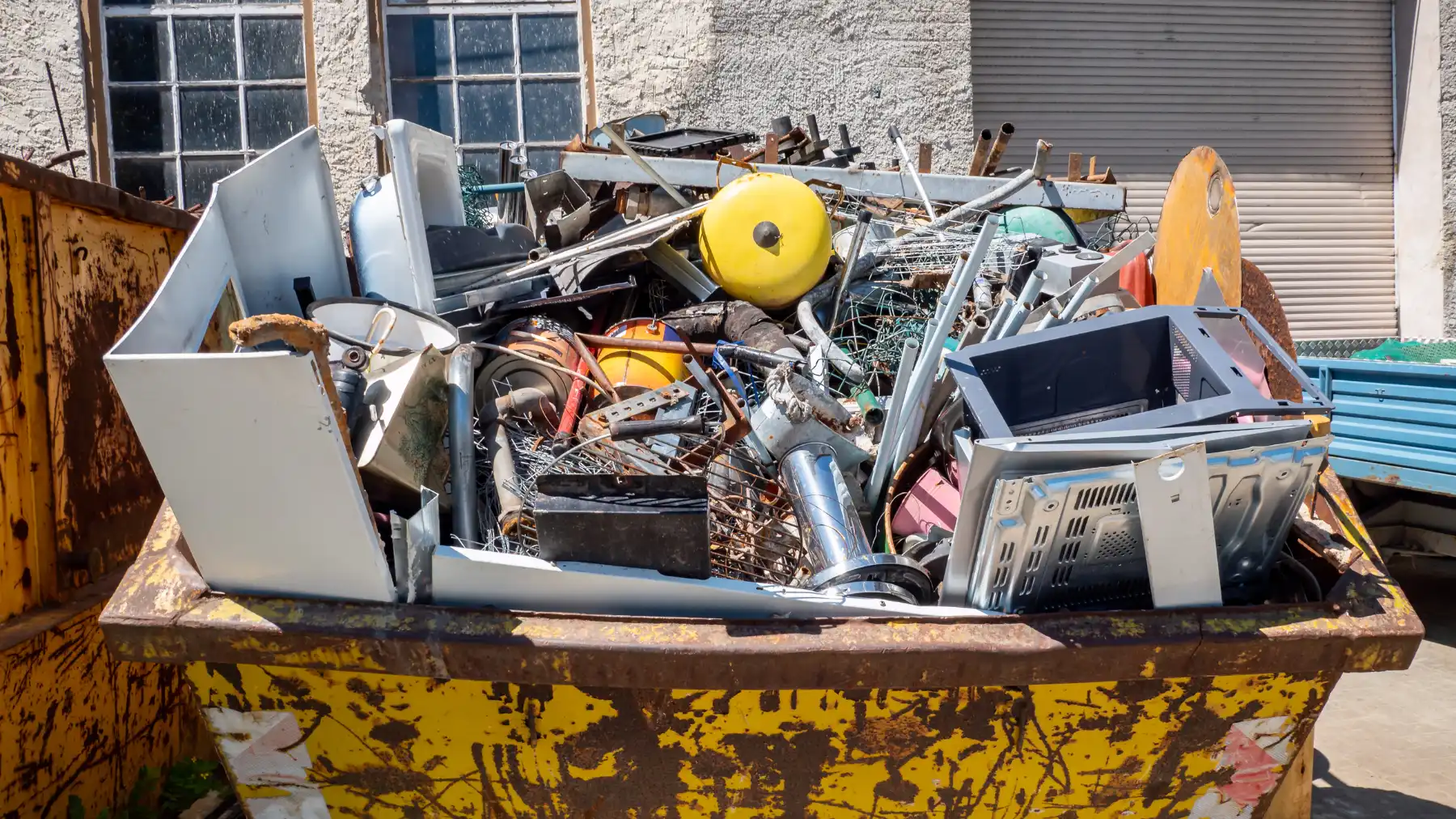
Copper cable gets most of the recycling attention on telecom jobs and for good reason, since it's typically the highest-value material in the scrap stream. But cable is only part of what a telecom contractor generates on an infrastructure upgrade, network decommission, or legacy system removal.
Conduit, equipment racks, mounting hardware, battery systems, and decommissioned network gear all contain recyclable metal, and most of it gets left on the table when contractors treat recycling as a copper-only concern.
This guide covers the full material mix that telecom contractors encounter, how each type is handled and valued, and how to build a recycling process that captures value across the entire job rather than just the obvious pieces.
Copper cable remains the primary value driver on most telecom jobs, so it's worth covering the fundamentals before moving to other materials.
Legacy copper telecom cable like twisted pair, coaxial, and heavy-gauge distribution cable are priced based on copper content and insulation type. Key grading categories include:
The most important field practice is keeping copper cable separated from aluminum and steel from the moment it comes off the job. A mixed load of copper and aluminum prices at a significant discount compared to the same materials separated. On larger projects where multiple cable types are being pulled simultaneously, designated containers by material type prevent that discount from accumulating across the job.
Conduit is one of the more overlooked scrap materials on telecom jobs. Rigid metal conduit (RMC), intermediate metal conduit (IMC), and electrical metallic tubing (EMT) all come off network infrastructure work in significant volumes during building renovations, campus upgrades, and system replacements — and all of it is recyclable.
Aluminum conduit prices well as a non-ferrous material. It's lightweight and easy to identify by color and weight. Keep it out of the steel pile and it grades and pays as aluminum.
Steel conduit — galvanized RMC and IMC — is ferrous and prices accordingly, below aluminum but still worth separating from mixed debris. Galvanized steel is accepted as standard ferrous scrap at most yards without any special handling.
PVC conduit has no scrap metal value and doesn't belong in a metal recycling container. When pulling mixed conduit runs, separating metal from PVC in the field prevents contamination that slows down grading at the yard.
Central office decommissions, data center removals, and network equipment upgrades generate significant volumes of steel and aluminum rack infrastructure. Open-frame server racks, enclosed network cabinets, cable management trays, and wall-mount enclosures are all primarily steel or aluminum construction and recycle cleanly as ferrous or non-ferrous scrap.
A few practical notes on racks and cabinets:
Decommissioned network hardware is where telecom recycling gets more complicated. Switches, routers, multiplexers, DSLAMs, and similar active equipment contain circuit boards, copper windings, aluminum heat sinks, and steel chassis components all mixed together in a form that doesn't separate easily in the field.
Most established scrap yards accept electronics for recycling but have specific policies on what qualifies. At Iron & Metals, computer towers, phones, and printers are accepted. Televisions and computer monitors are not currently accepted. For larger network hardware items, a quick call before the drop-off confirms whether a specific piece qualifies and how it should be categorized.
A few materials commonly associated with network hardware that require separate handling:
Telecom infrastructure work involves significant quantities of grounding and bonding hardware that often gets overlooked in scrap accounting. Copper grounding conductors, ground rods, bonding straps, and grounding busbars are all high-value copper or copper-alloy materials.
Grounding hardware typically qualifies as #1 or #2 copper depending on condition and attachments. On central office decommissions and tower removals, grounding systems can contribute a meaningful weight of copper that's worth pulling separately rather than leaving behind or mixing with steel.
Cell tower work and rooftop antenna installations generate steel and aluminum hardware in the form of mounting brackets, antenna mounts, transmission line hangers, and tower climbing hardware. Most of this is standard ferrous or aluminum scrap.
Transmission line — the rigid coaxial line used on tower installations — contains both copper and aluminum components and prices as a recognized scrap category. It's worth separating from general steel rather than treating it as standard ferrous material.
The recycling value in a telecom job comes from consistent separation at the point of removal, not from sorting a mixed pile at the end. A few simple practices make a meaningful difference across a full project:
On larger projects — central office decommissions, campus network replacements, tower removals — a container program makes this separation automatic. Iron & Metals provides containers sized for telecom work, including lockboxes for securing high-value copper cable on sites that aren't continuously staffed, and van trailers for palletized, sorted non-ferrous loads.
Iron & Metals works with telecom contractors and network infrastructure teams across the Denver metro area. We accept copper cable in all grades, aluminum and steel conduit, rack and cabinet steel, grounding hardware, transmission line, lead-acid batteries, and standard electronics.
Every transaction includes certified scale weights and itemized settlement documentation by material type — useful for project closeout reporting and any sustainability or asset tracking documentation your client requires.
Contact our team to discuss container service for an upcoming project or stop by our yard at 5555 Franklin St in Denver, Monday through Friday, 8am to 4pm.