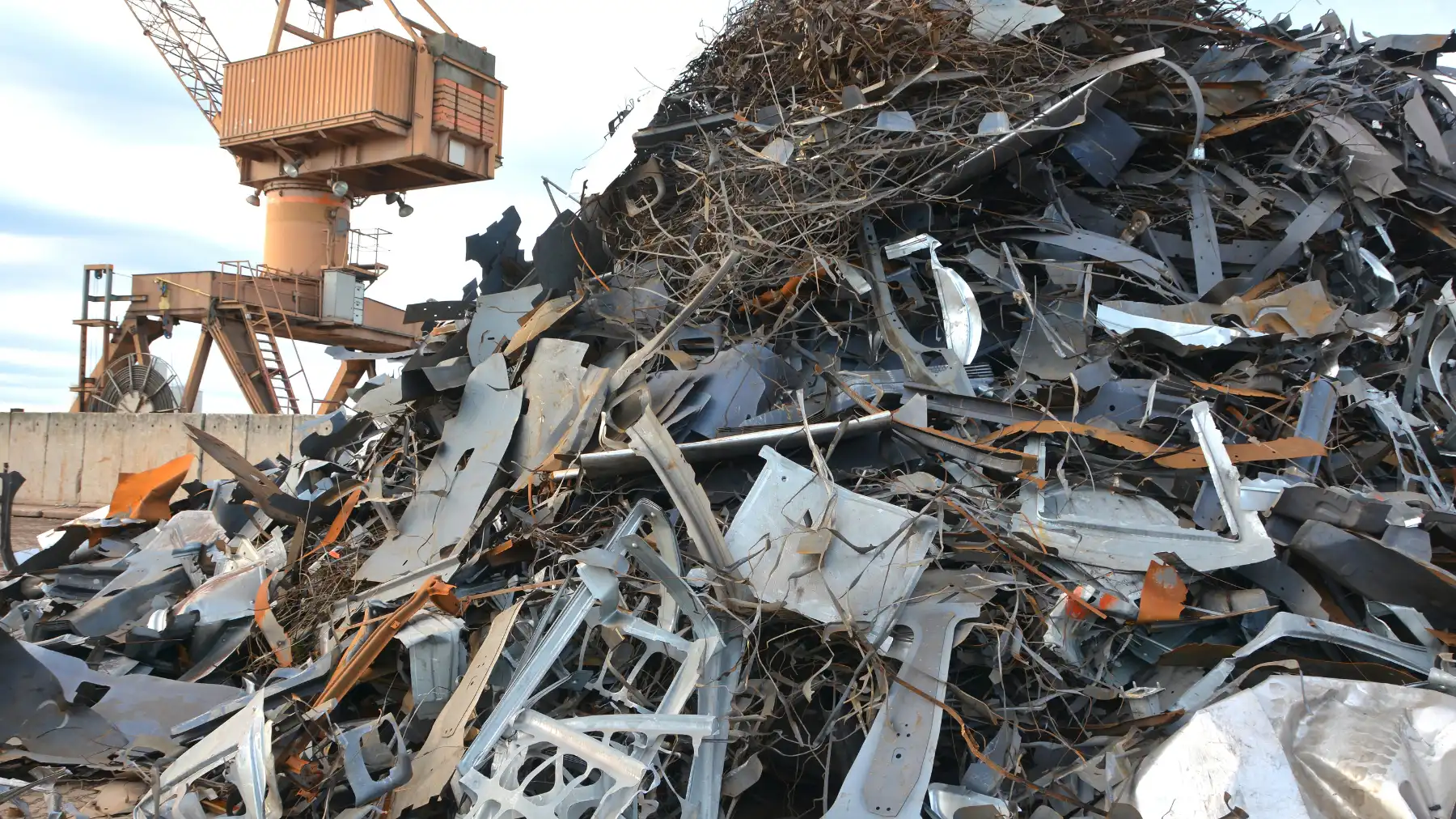
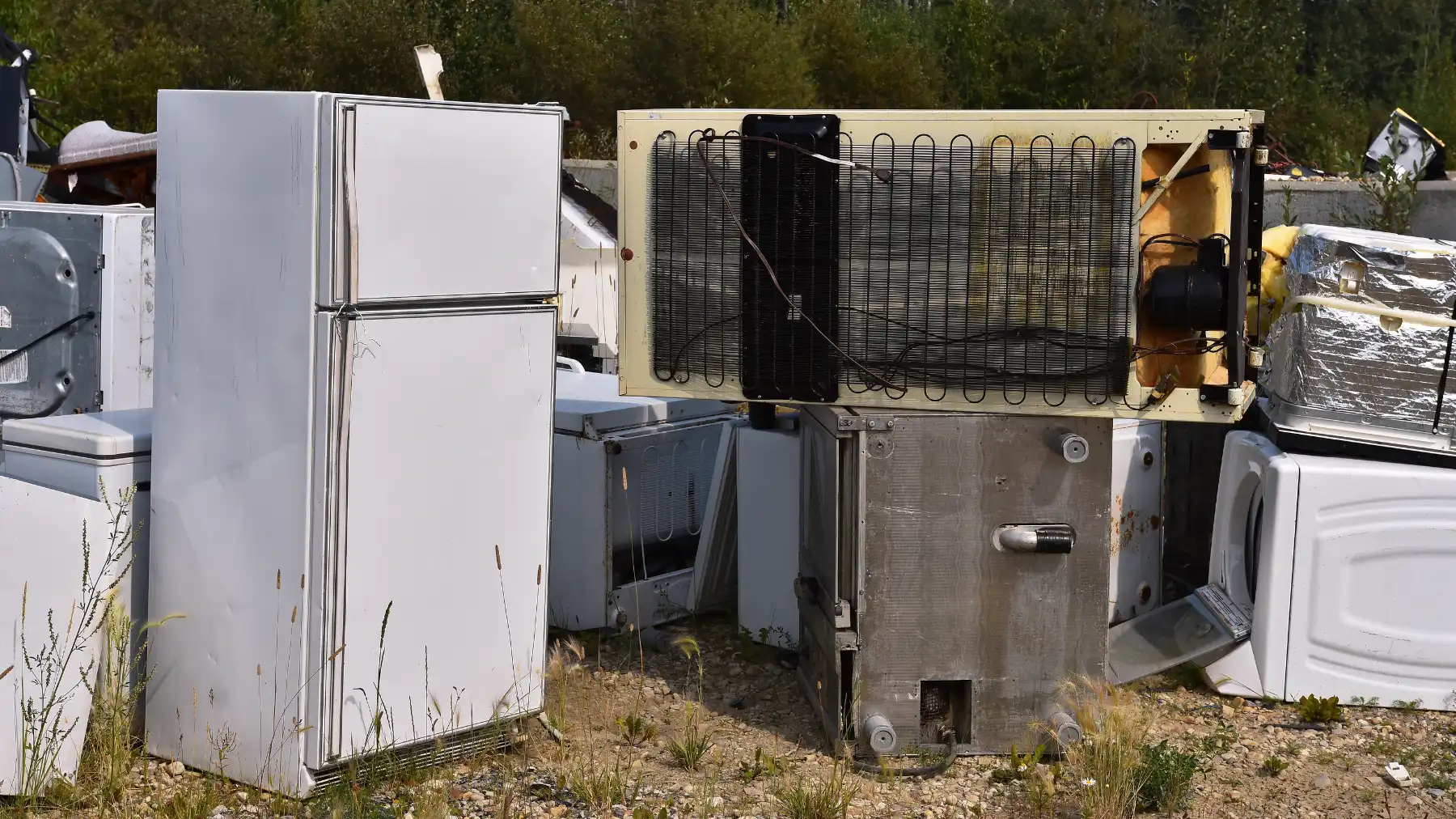
Road work, bridge repairs, signal upgrades, and utility infrastructure replacements generate a volume and variety of industrial scrap metal that most private sector jobs don't match. Steel guardrail, cast iron pipe, aluminum signal hardware, copper conductor, structural beam all comes off the job in large quantities, under tight timelines, and in conditions that don't always make material handling straightforward.
For DOT and municipal contractors, managing that scrap well isn't just about recovering value. It affects job site organization, project closeout documentation, and the compliance requirements tied to publicly funded work. Getting it right means treating industrial scrap metal as a planned part of project execution rather than something to sort out afterward.
Public infrastructure work generates a different scrap stream than commercial construction or manufacturing. Several metal types show up consistently across DOT and municipal contracts.
Structural and roadway steel is typically the highest-volume material. Guardrail replacement alone can generate significant tonnage of w-beam, end treatments, posts, and hardware. Bridge work adds structural beam, plate, rebar, and expansion joint components. Drainage culverts and corrugated metal pipe round out the ferrous stream on most roadway projects.
Cast iron and ductile iron come off water main replacements, sewer rehabilitation, and stormwater work in the form of pipe, fittings, valves, hydrants, and manhole frames. Dense and awkward to handle, these materials price well above plain steel and are worth keeping out of the general ferrous pile.
Copper and aluminum enter the scrap stream on signal system upgrades, streetlight replacements, and utility work. Copper conductor from signal loops and underground runs, aluminum pole sections, and signal mast arms are all high-value materials that pay at non-ferrous rates when separated from steel. Mixed in with structural scrap, that premium disappears.
Public works contracts introduce documentation and compliance requirements that private sector jobs typically don't carry. A few areas where scrap handling intersects with contract compliance are worth knowing upfront.
Many public contracts, particularly those with federal funding through CDOT or FHWA programs, include waste management plan requirements. Scrap metal recycled rather than landfilled typically satisfies waste diversion obligations, but it requires documented chain of custody:
A recycler who provides complete, itemized settlement documentation on every transaction covers most of these requirements without additional administrative work on your end.
On some public contracts, removed materials are considered property of the contracting agency until formally released to the contractor. This is especially common with high-value metals like copper conductor and structural steel. Confirming material ownership terms in the project specifications before anything goes to the yard protects you from compliance exposure on federally funded work.
For cost-plus and unit-price contracts, scrap metal revenue may need to be reported as a project credit. Itemized settlement documentation from the recycler provides the numbers needed for that reporting without requiring a separate tracking process.
Right-of-way work rarely has the staging space of a private construction site. Container placement has to account for traffic control requirements, permit restrictions, and equipment movement throughout the project.
Designating labeled collection points by material type, and communicating separation expectations to subcontractors early, prevents mixed loads that reduce settlement value for everyone. A few simple practices go a long way:
That last point matters more than it might seem. A coordinated closeout pickup keeps the demobilization on schedule and prevents leftover material from becoming a punch list item.
DOT and municipal contractors across the Denver metro have relied on Iron & Metals for industrial scrap metal removal for decades. Our team is familiar with the documentation requirements, material mix, and field logistics that come with public infrastructure work.
We provide certified scale weights and itemized settlement documentation on every transaction, with container options ranging from luggers for tight staging areas up to 60-yard roll-offs for large structural material volumes. For contractors managing multiple active projects, we can support container programs across several sites with consistent documentation for each.
If you have an upcoming DOT or municipal project, it's worth sorting out scrap logistics before mobilization. Contact our team or stop by 5555 Franklin St in Denver, Monday through Friday, 8am to 4pm.