How Utility and Telecom Crews Can Maximize Value With Professional Copper Cable Recycling

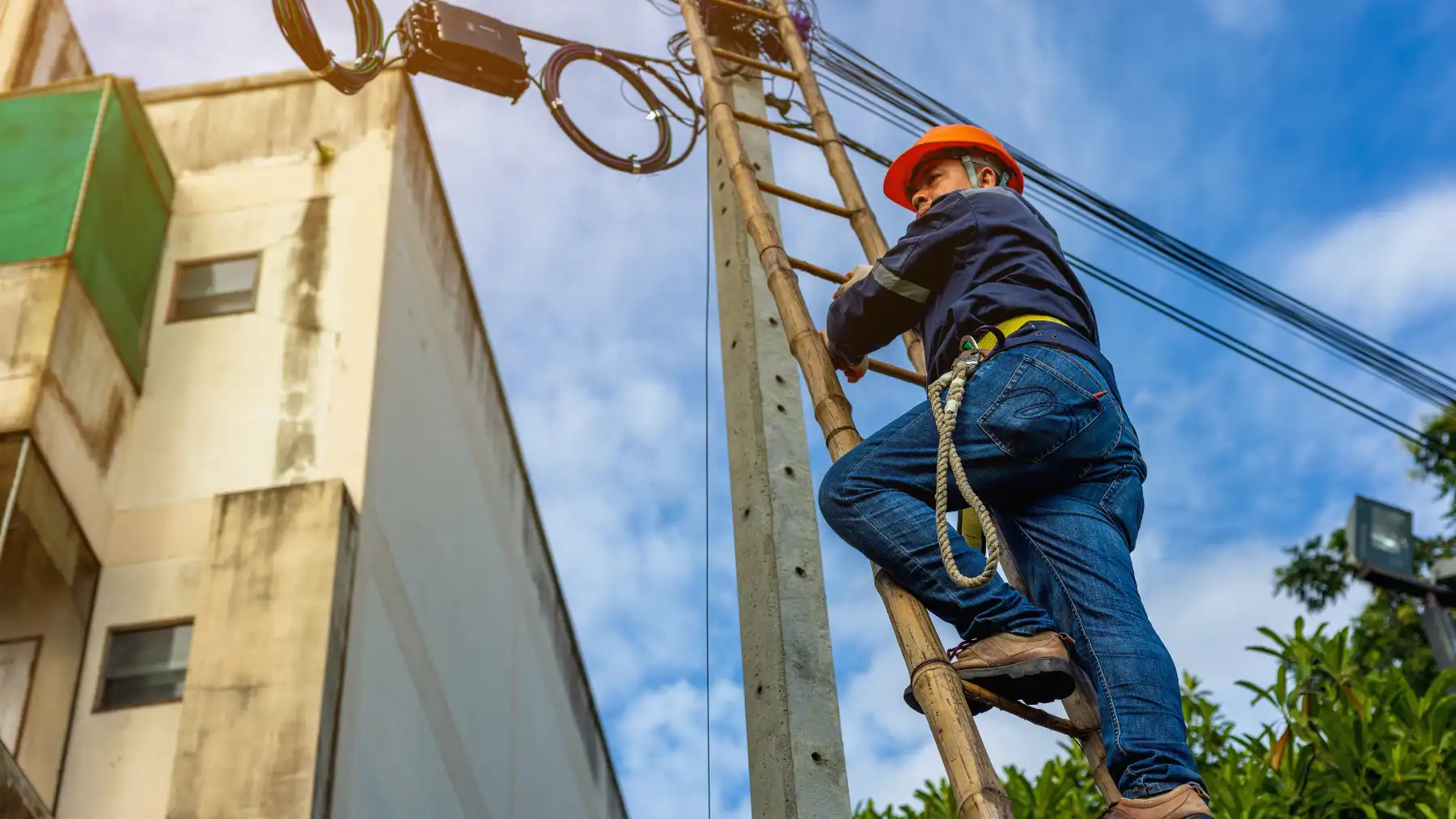
For utility and telecom crews, copper cable is a constant byproduct of the work pulled from overhead lines, underground conduits, legacy telecom networks, and decommissioned equipment on a near-daily basis. That material has consistent market value, and crews that treat it as a managed resource rather than job site waste recover meaningful revenue over time.

The difference between getting top dollar and leaving money on the table usually isn't the volume of copper; it's how it's handled from the point of removal to the recycling yard.

What Makes Copper Cable Valuable (and What Can Reduce That Value)

Copper consistently ranks among the highest-value scrap metals on the market. Prices shift based on global supply and demand, but copper's value relative to other metals remains strong, which makes it worth managing carefully even on smaller jobs.

How Copper Cable Gets Graded

Not all copper cable scrap is priced the same. Recyclers grade material based on copper content, insulation type, and contamination level. Bare bright copper and #1 copper command the highest prices, while insulated wire is graded separately, typically based on the estimated percentage of copper inside the jacket.

The practical takeaway: how you handle material in the field has a direct effect on how it gets classified and what you're paid. A clean, separated load of insulated cable will always outperform a mixed load of the same material thrown in with steel or aluminum.

Factors That Affect Your Return

Three variables most consistently impact copper cable recycling value for utility and telecom operations:

Where Copper Cable Scrap Comes From in Utility and Telecom Work

The volume of recyclable copper in utility and telecom operations is easy to underestimate until you start tracking it. Common sources include distribution and transmission line replacements, transformer and substation decommissioning, underground cable pulls and conduit work, telecom network upgrades and legacy copper removal, service disconnections and meter changeouts, and equipment disposal at end of asset life.

Even routine maintenance work produces offcuts, splices, and short lengths that add up across a full season of jobs.

Field Practices That Protect Scrap Value

Keep Copper Separated From the Start

The single most impactful thing a crew can do is keep copper cable out of the general scrap pile. Dedicated containers or collection points on-site. Even something as simple as a separate bin or pallet prevents copper from getting mixed with steel, aluminum, or debris. Mixed loads get downgraded. Separated loads get paid at copper rates.

On Stripping Insulated Wire

Stripping insulated cable to recover bare copper can increase its value, but for most utility and telecom crews, the labor and logistics rarely justify the return unless you're processing large volumes of the same cable type. A reputable recycler will grade insulated wire accurately. The better investment is in keeping it clean and separated rather than processing it in the field.

Track Material by Job

Project managers who document copper quantities per job can account for scrap value when closing out projects, improve material forecasting, and build a clearer picture of what recycling contributes to overall job economics. It's a simple habit that pays off over time.

Container Service for Contractors With Ongoing Volume

For utility contractors and telecom providers running continuous work, a container solution is the most efficient way to manage copper cable scrap. Drop-off trips for individual loads work for smaller operations, but crews with active projects need something built into their workflow.

Iron & Metals provides container service for commercial customers across the Denver metro area, with sizes ranging from 1 cubic yard to 60 yards. Flatbed, roll-off, and van trailer options are available depending on job site access and material type. Containers can be placed on-site for the duration of a project and picked up on a schedule that works around your operation — not the other way around.

Pricing That's Straightforward From the Start

One of the most common frustrations in copper cable recycling is arriving at a yard expecting one price and walking away with another. Grading surprises, contamination deductions, and unclear pricing structures erode trust — and returns.

At Iron & Metals, pricing is based on current market rates for each copper grade, and our grading process is transparent. You know what category your material falls into and how the price is calculated. Scale weights are certified. There are no unnecessary deductions or guesswork.

We've worked with Colorado utility contractors, electrical crews, and industrial operators since 1961. That track record is built on repeat business — and repeat business comes from treating customers fairly the first time.

Common Questions From Utility and Telecom Crews

Do I need to strip insulated cable before dropping it off?
No. We accept and grade insulated wire as-is. Stripping can increase value in some cases, but it's not required.

Can you accommodate large loads or job site pickups?
Yes. Our container service is designed for exactly that. Call us to discuss sizing and scheduling for your project.

How current is your pricing?
We price based on live market rates. Contact us for up-to-the-minute copper pricing before your next drop-off or pickup.

Making Copper Cable Recycling Work for Your Crew

Copper cable recycling isn't complicated but it does require a consistent approach. Separate the material, keep it clean, work with a recycler who grades it accurately, and treat scrap value as a real line item rather than an afterthought.

For Denver-area utility and telecom crews, Iron & Metals provides the infrastructure to make that happen: flexible container service, transparent pricing, and a team that understands the pace of contractor operations.

Have copper cable scrap from a current or upcoming project? Contact our team to arrange a pickup or bring your material by during normal receiving hours.

Electric Motor Scrap Value: How Repair Shops Can Recover More from Copper & Steel

Electric motors are at the heart of countless systems from HVAC units and industrial equipment to pumps, compressors, and shop machinery. For repair shops and service providers, motors are constantly being replaced, rebuilt, or scrapped.

What many shops don’t fully realize is how much value is sitting inside those units. Understanding electric motor scrap value can turn what’s often treated as waste into a consistent and profitable part of daily operations.

With the right handling practices, repair shops can recover more from both copper and steel while keeping their workspace organized and efficient.

What Determines Electric Motor Scrap Value?

Electric motor scrap value comes from the materials inside the unit. Most motors contain a combination of:

Copper is the most valuable component. Depending on the motor type, copper can make up a significant portion of the total value, especially in larger or industrial motors. Steel, while lower in value per pound, often makes up the majority of the motor’s weight. When processed in volume, it still contributes meaningful returns.

The overall value of a motor depends on:

Common Sources of Motor Scrap in Repair Shops

Repair shops see a steady flow of motors that are no longer worth rebuilding.

Typical sources include:

Over time, even smaller motors add up. Shops that consistently collect and recycle them can generate a steady stream of scrap value.

Whole Motor vs. Breakdown: What’s Worth It?

One of the most common questions is whether to recycle motors whole or break them down.

Recycling motors as complete units is the simplest option. It requires minimal labor and allows shops to quickly move material out without slowing down operations.

Breaking motors down to extract copper can increase value, but it also requires time, labor, and proper tools. For many repair shops, the added effort may not justify the return unless they are processing large volumes.

A practical approach is:

Understanding where that balance lies is key to optimizing returns.

Best Practices to Maximize Scrap Value

Improving electric motor scrap value doesn’t require major operational changes, just consistent habits.

How Scrap Motors Support Shop Efficiency

Beyond the direct value of materials, proper motor recycling improves shop operations.

Clearing out scrap motors regularly frees up space, reduces clutter, and improves safety. Heavy motors left on the floor or in work areas can create hazards and slow down workflow. Consistent scrap handling also reduces the time spent moving materials around the shop. Instead of dealing with buildup, teams can maintain a clean, organized workspace.

For many repair shops, these operational benefits are just as important as the scrap value itself.

Understanding Market Fluctuations

Electric motor scrap value is tied to the broader metals market.

Copper prices, in particular, can fluctuate based on global demand. Steel pricing also shifts based on supply and industrial activity.

While it’s not necessary to time the market perfectly, being aware of general trends can help shops decide when to accumulate material versus when to recycle.

Working with a recycler that provides transparent, current pricing helps ensure shops receive fair value for their scrap.

How Iron & Metals Supports Motor Recycling

Iron & Metals works with repair shops, contractors, and industrial operators across the Denver metro area to make motor recycling simple and efficient.

We provide:

Whether you’re recycling a few motors at a time or managing a steady flow of equipment, our team helps you recover value without disrupting your operation.

Final Thoughts

Electric motor scrap value is often overlooked, but it represents a consistent opportunity for repair shops to recover material value from everyday work.

By separating motors, handling them efficiently, and working with a trusted recycling partner, shops can turn scrap into a reliable part of their business.

Iron & Metals helps Denver-area repair shops maximize returns from electric motor recycling with transparent pricing and dependable service.

Do you have electric motor scrap lying around the shop? Contact us to schedule a pick up or visit us to drop off your scrap during business hours.

Copper Metal Recycling for Infrastructure and Utility Work: How to Maximize Value and Stay Compliant

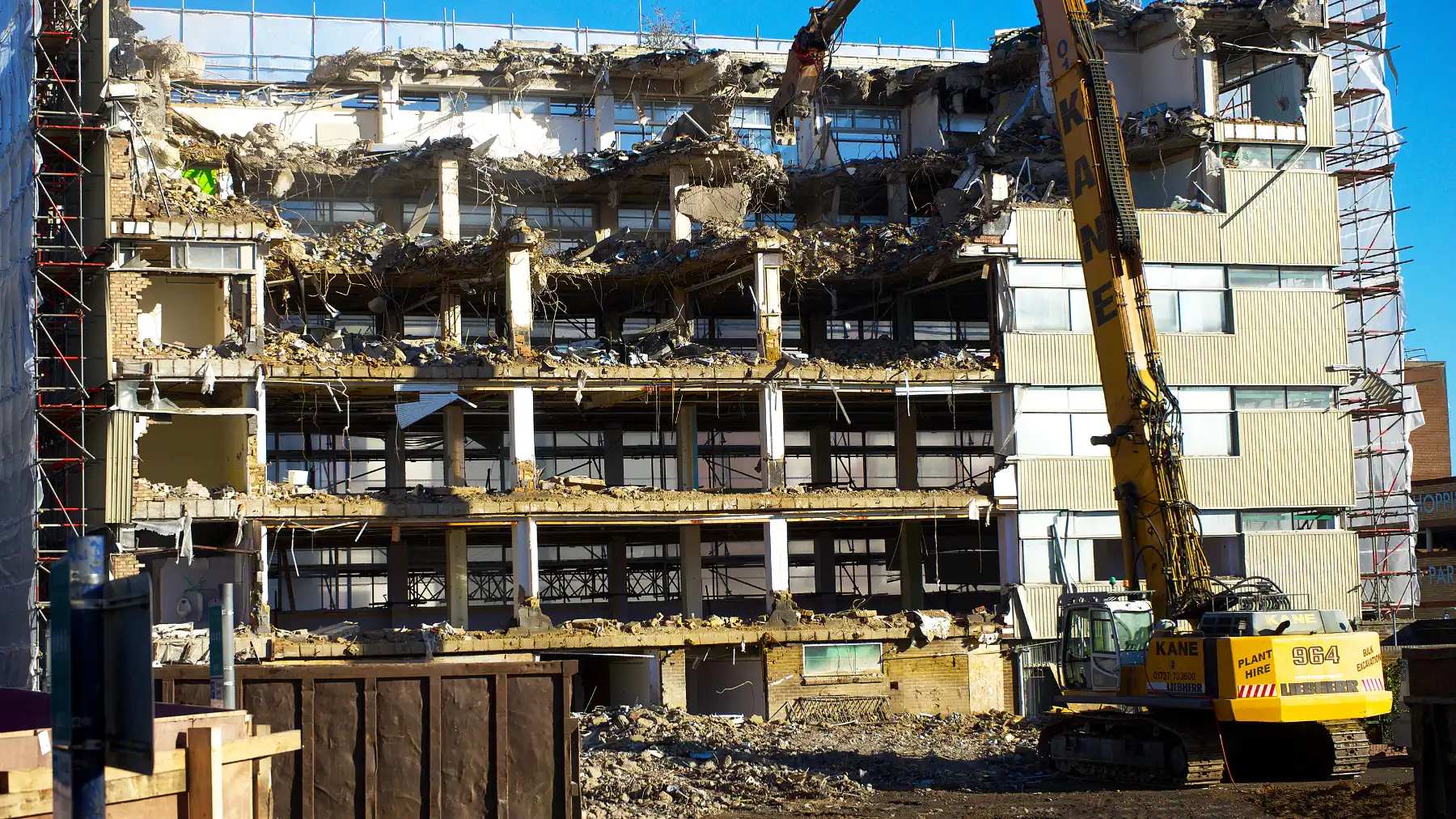
Large-scale infrastructure and utility projects generate significant volumes of copper. Whether crews are upgrading substations, replacing underground service lines, modernizing traffic systems, or rebuilding aging grid infrastructure, copper is almost always part of the job.

For municipalities, utility providers, and contractors, copper metal recycling is more than a sustainability effort. It is a financial opportunity and a compliance responsibility. With copper prices remaining strong due to demand in energy, telecommunications, and transportation sectors, properly managing copper scrap can directly impact project budgets.

At the same time, infrastructure work often involves public oversight and strict documentation requirements. That makes compliance just as important as value recovery.

Here’s what infrastructure and utility teams need to know.

Where Copper Comes From in Infrastructure Projects

Copper appears in nearly every major utility system.

Electrical upgrades generate conductor wire, grounding cable, transformer components, and service lines. Water and wastewater projects remove copper pipe, fittings, and valves. Transportation modernization often involves signal wiring, streetlight cable, and communication systems.

Substation rebuilds and telecom upgrades produce large volumes of insulated copper cable and heavy-gauge conductors. Over time, even routine maintenance accumulates meaningful scrap value.

When copper is separated and handled properly, it becomes one of the most valuable recyclable materials on any infrastructure project.

Why Copper Metal Recycling Matters for Utilities

Copper carries a higher market value than most other common metals used in infrastructure. That means even modest volumes can offset hauling and disposal costs.

Without a structured recycling plan, copper can end up mixed with general demolition debris. When that happens, agencies lose both scrap revenue and the ability to document diversion rates accurately.

Recycling copper properly helps utilities reduce landfill tonnage, support environmental reporting, and demonstrate responsible stewardship of public resources.

For publicly funded projects, showing that recoverable materials were recycled rather than discarded strengthens transparency and accountability.

Maximizing Value in Copper Metal Recycling

Recovering maximum value from copper depends largely on preparation and separation.

Keeping copper separate from steel and aluminum is essential. Clean, sorted copper earns better pricing than mixed loads. Heavy-gauge wire, bare bright copper, and clean pipe generally receive premium rates compared to insulated or contaminated material.

While stripping insulation is not always necessary, separating high-grade copper from lower-grade scrap improves overall payout. Removing excessive dirt, concrete, or non-metal attachments also protects value.

Volume matters as well. Larger, well-organized loads are more efficient for recyclers to process and may qualify for stronger pricing.

Working with a recycler that understands infrastructure-grade material ensures accurate classification and fair compensation based on current market conditions.

Staying Compliant on Public Infrastructure Projects

Compliance is a critical part of copper metal recycling for utilities and municipalities.

Many projects require documented diversion rates, especially when funded by state or federal programs. Accurate weight tickets and material classification reports are often necessary for closeout documentation.

Copper recycling also reduces the risk of improper disposal. In some cases, infrastructure components may contain regulated materials or require documented chain-of-custody handling. Partnering with a professional recycler ensures that material is processed responsibly and in accordance with environmental standards.

Security is another important factor. Copper theft is a known risk on infrastructure sites. Secure storage, controlled container placement, and timely pickup reduce exposure while protecting project assets.

Coordinating Copper Recycling on Active Projects

Infrastructure work often occurs in phases. Coordinating recycling with those phases prevents congestion and keeps projects moving.

Strategic container placement near active work zones allows crews to deposit copper immediately as systems are removed. Scheduling pickups before containers reach capacity avoids jobsite delays.

Clear communication between project managers, subcontractors, and recycling partners ensures copper is consistently separated and tracked throughout the job.

When recycling is built into the project workflow from the start, it becomes seamless rather than reactive.

How Iron & Metals Supports Infrastructure and Utility Teams

Iron & Metals has supported Colorado infrastructure and utility projects for more than 60 years. We understand the scale, compliance requirements, and logistics challenges that public works projects present.

We provide roll-off containers suitable for heavy copper loads, flexible pickup scheduling aligned with project timelines, and certified scale weights for accurate reporting. Our transparent, market-based pricing reflects current copper values while rewarding clean, well-sorted material.

Most importantly, we help agencies and contractors manage copper metal recycling in a way that protects budgets, supports sustainability goals, and maintains regulatory compliance.

Conclusion

Copper metal recycling plays a vital role in modern infrastructure and utility work. With strong market demand and high material value, copper represents both a financial opportunity and an environmental responsibility.

By separating materials properly, coordinating pickup strategically, and working with an experienced recycling partner, utilities and contractors can maximize returns while meeting compliance requirements.

Iron & Metals is proud to support Colorado’s infrastructure teams with dependable service, fair pricing, and responsible copper recycling solutions. Contact our team to learn more.

Copper Wire Recycling: How Utility and Electrical Crews Can Maximize Returns

Copper is one of the most valuable and versatile metals in the utility and electrical industries. It’s durable, highly conductive, and used everywhere from transmission lines to building rewiring projects. But as new installations replace old ones, miles of copper wire end up as scrap.

Instead of letting that material go to waste, copper wire recycling turns it into steady revenue while reducing disposal costs and supporting sustainability goals. For utility and electrical contractors, knowing how to handle, sort, and sell copper scrap can make a major difference in profitability.

At Iron & Metals, we help Colorado’s utility providers and electrical crews recycle copper safely, efficiently, and at the best possible rates.

Why Copper Recycling Matters for Electrical and Utility Crews

Copper’s value in the scrap market has remained consistently strong for decades. Recycling it offers three major benefits for businesses that generate it regularly:

1. Higher Revenue Potential

Copper commands some of the highest scrap prices of any commonly used metal. Unlike steel or aluminum, even smaller quantities of copper wiring can yield significant returns.

2. Cost and Time Efficiency

Instead of paying to haul old wiring to landfills or scrap yards that underpay, working with a trusted recycler saves time and ensures fair compensation for every pound.

3. Environmental Responsibility

Recycling copper reduces the need for new mining and cuts energy consumption by up to 85% compared to producing new copper from ore. For companies committed to sustainability, it’s one of the easiest ways to demonstrate measurable impact.

Common Copper Wire Types Found on Job Sites

Not all copper wire is created equal and understanding the difference helps crews prepare it properly and maximize value.

Crews that separate and clean copper wire on-site before bringing it in for recycling typically earn the best rates.

wire recycling guide

How to Maximize Returns on Copper Wire Recycling

Recycling copper isn’t complicated, but a few smart steps can make a big difference in what you earn:

  1. Separate by Grade: Keep different types of wire in separate containers. Bare bright, insulated #1, and insulated #2 should never be mixed as each grade has a different value.
  2. Strip When It’s Worth It: Removing insulation increases copper purity and value. Stripping is most profitable when working with heavy-gauge wire that contains a lot of copper. For thinner wire, the labor cost may outweigh the return.
  3. Keep It Clean: Avoid contamination with steel, aluminum, or insulation debris. Dirt, oil, or connectors can lower your wire’s grade and reduce pricing.
  4. Store Securely: Copper theft is common on job sites. Store scrap in locked bins or secure areas and schedule regular pickups to avoid loss.
  5. Track Market Pricing: Copper prices fluctuate daily based on global demand. Partnering with a recycler who offers transparent, market-based pricing ensures you’re paid fairly and can choose the best time to sell.

Who Pays the Best for Scrap Copper Wire

The short answer: specialized, local metal recyclers like Iron & Metals.

While large-scale scrap yards or general waste facilities may buy copper, they often pay less because they handle mixed materials or use lower-grade pricing systems. By contrast, dedicated recyclers that specialize in metals and work directly with industry clients provide:

Iron & Metals consistently offers some of the best payouts for scrap copper wire in Colorado because we specialize in handling clean, sorted materials from professional crews — not general mixed waste.

Why Work With a Professional Recycler

For utility and electrical companies, time and safety matter. Working with an experienced metal recycler means:

Iron & Metals has been supporting Colorado’s trades and infrastructure industries since 1961, offering transparent pricing and dependable service tailored to contractors, utilities, and industrial clients.

How Iron & Metals Inc Supports Utility and Electrical Crews

Our process is built for busy crews who want to recycle copper efficiently and get paid fairly:

  1. Container Delivery – We provide bins or roll-off containers for job sites, sized to fit your volume and wire type.
  2. On-Site Collection – Crews can load scrap directly into containers during rewiring or maintenance work.
  3. Pickup and Drop-Off Options – Schedule pickups or drop-off directly to our Denver facility.
  4. Weighing and Grading – We use certified scales and trained staff to grade wire accurately by type.
  5. Quick Payment – Receive immediate, transparent payment based on current market rates.

Whether you’re rewiring a neighborhood grid, replacing building systems, or clearing an old facility, Iron & Metals makes copper wire recycling fast, fair, and simple.

Conclusion

For utility and electrical crews, copper wire recycling isn’t just good for the environment — it’s a smart business practice that directly improves the bottom line. With proper sorting, clean handling, and a reliable recycling partner, you can turn leftover wire into meaningful revenue while staying compliant and sustainable.

Iron & Metals pays top dollar for scrap copper wire and provides the support crews need to recycle efficiently. From pickup service to drive-on drop-offs, we make it easy to get paid for every pound.

Contact our team to learn more.

Turn Trash into Treasure: How to Get Money for Scrap Metal Around Your Home

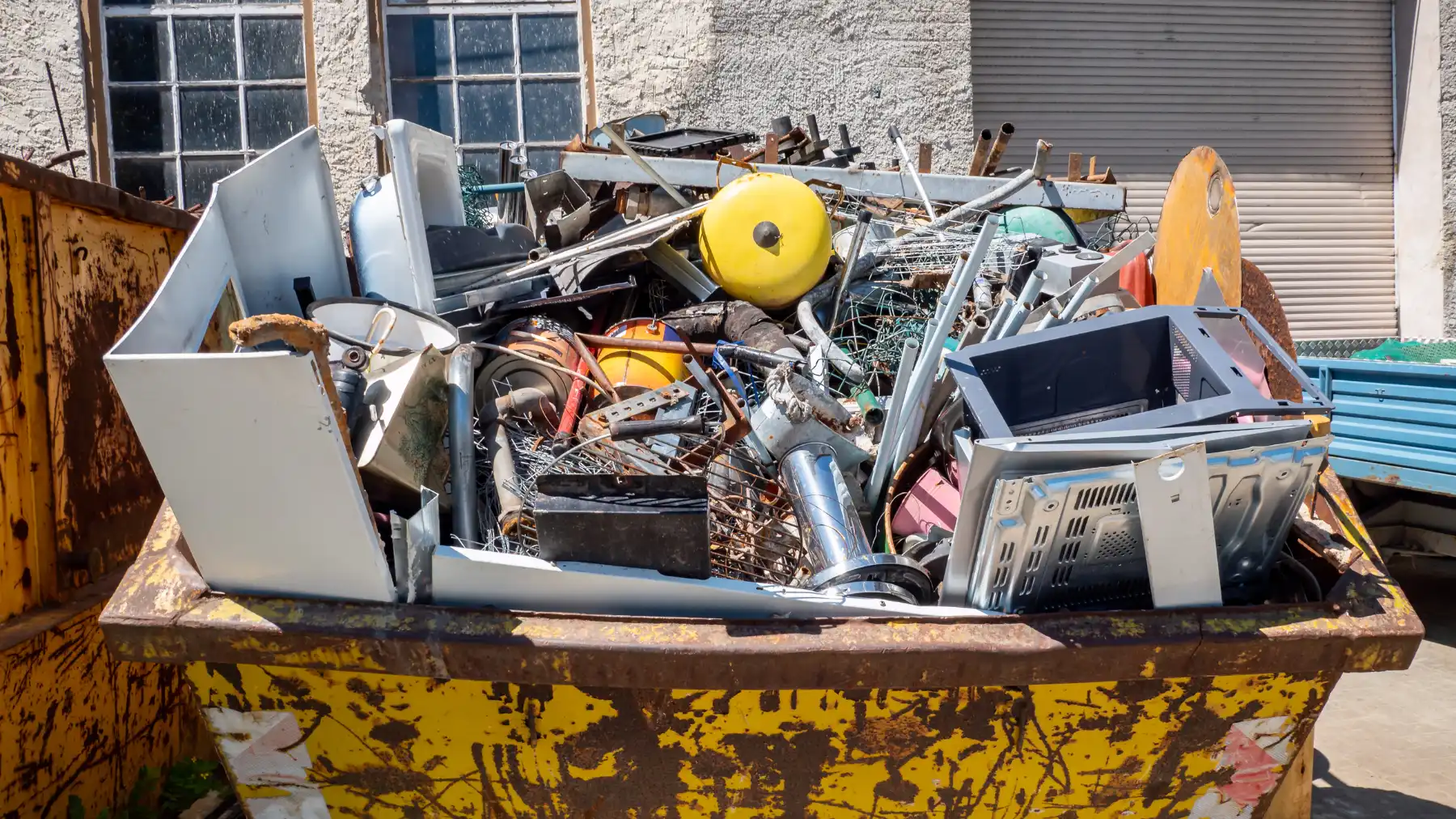
Whether you’re tackling a small DIY project, a major home renovation, or a cleaning project, you’re bound to end up with piles of leftover materials or items to throw away - many of them containing metal. Instead of letting those discarded metal items go to waste or paying for a large item pickup, did you know you can turn them into earnings? Scrap metal recycling offers a great way to earn money for things like old microwaves, washers, dryers, stoves, and cast iron bathtubs while contributing to sustainability by reducing waste. This guide will show you how to find high-value scrap metal around your home. 

Identifying Scrap Metal in Your Home

During any home improvement project or even while cleaning out your garage, you’ll likely come across various forms of scrap metal in everyday items worth money at a metal recycling center. 

During a renovation, you may replace old plumbing pipes, electrical wiring, metal fixtures, hot water heaters, and appliances. And while cleaning out your garage or basement, you might have old rakes and shovels, a broken leaf blower, a wagon your child outgrew, old vehicle rims, or broken phones. These items may look like junk, but they’re often made from valuable metals such as steel, aluminum, copper, and brass, which can be turned into money for scrap metal. Landfills charge by weight or by load, and it can cost hundreds of dollars to drop off loads of large items. Instead, you can get paid for a scrap metal drop off.

Here are some common examples of everyday items that contain recyclable metal that you may not have known:

Once you know what to look for, you can sort your metals into different types, take them to a metal recycling drop off center, and get paid for your items. For more tips, read our guide on the metal identification process

Valuable Metals We Pay Top Prices For

Not all metals are created equal, and some types bring in more value than others. At our facility, we pay competitive prices for a wide range of metals, helping you get the most money for scrap metal during your renovation. Here are some of the most valuable types of scrap metal you might find during your renovation:

Steel

Steel is one of the most common materials you can find around your home, especially during a renovation project. Your home improvement project may produce waste items including metal roofing, washers, dryers, hot water heaters, window bars, fencing, stair railing, and even bed frames. You can recycle these large pieces of steel, as well as smaller items like doorknobs, nails and screws. Steel is a versatile metal that brings in consistent returns.

Aluminum

Aluminum is a lightweight but strong metal used in construction and household items. You might find aluminum in old window frames, screen doors, and some gutters. If you aren’t sure, try using a magnet. If it sticks, it’s not aluminum and is likely steel. Soda cans, disposable cooking trays or takeout trays, and many sports bottles are also made out of aluminum. Because aluminum is used in many applications, it can quickly add up, making it worth collecting and bringing to a metal scrap yard. 

Copper

Copper is one of the highest-value scrap metals. Renovations of old homes typically reveal a lot of copper in the form of old wiring, plumbing pipes, and less commonly, some roofing materials. Stripping copper wires before recycling can further increase their value, except for insulated copper wire. You don’t need to strip insulation. The easiest and safest way to expose the copper in wires is to use wire strippers with notches that match the gauge of your wires.

Brass

Brass is commonly found in household fixtures and hardware. Keep an eye out for brass fittings in light fixtures and decorative hardware such as cabinet or drawer handles and hinges. Old faucets, especially in bathrooms or kitchens, can also contain brass components. 

Brass used to be very popular for decorative accents, so you might also find it in lamps, chandeliers, curtain rods, and candlesticks. It's a great metal to recycle and can bring in a good return. 

Cast Iron

Heavy but valuable, cast iron is a key material in scrap metal recycling. If you are renovating your bathroom or heating system, look for cast iron by using a magnet. Often, old bathtubs thought to be porcelain are actually cast iron. If a magnet sticks, it’s cast iron. It is very common in older homes, often found in radiators, sinks, decorative grates for air vents, ornamental railings, and old hardware like door knobs, drawer pulls, and hinges. Even cast iron cookware can add to your haul.

Specialty Metals

Due to their rarity, specialty metals like titanium can also be highly valuable. Titanium is used in golf club heads, sometimes in high-performance bicycle frames, laptops, cell phones, and some specialty tools and drill bits that may incorporate titanium components.

By knowing what types of metal you have and where to find them, you can maximize the return on your renovation or clean-out project scrap instead of paying to drop it off or have it picked up. 

How to Get Paid For Your Metal

The process of getting money for scrap metal is easier than you think. Here’s how it works:

With our 22-acre facility, multiple scales, and dedicated receiving docks, we’re ready to handle any load, large or small. 

Tips for Maximizing the Scrap Metal Value

Want to get the most money for scrap metal? Follow these simple tips to ensure you maximize the scrap metal value of what you bring in:

Whether you’re working on a home improvement project or an industrial renovation, our facility has everything you need for a smooth, efficient recycling experience. On top of that, turning your scrap metal into revenue is a great way to recover some of your renovation costs. 

Ready to turn your scrap into profit? 

Call us today for an up-to-the-minute quote, or stop by with your scrap metal for fast, friendly service and a fair payout. 

Beyond Payment: All the Benefits of Appliance Recycling

When an appliance breaks, many people either toss it (often paying for a large item pickup from their trash company), drop it off at the local landfill, or swap it for a new appliance with a delivery service’s “free removal” offer. There’s a fourth option that is often forgotten - metal recycling. We all know recycling helps conserve resources and reduces landfill waste, but there are benefits to appliance recycling beyond these basics. Let’s explore them.

Benefits of Appliance Recycling

1. Financial Savings

Recycling your scrap metal can potentially save you hundreds of dollars vs. the cost to have them hauled away or dropped off at the local dump/landfill. Denver area landfills can charge hundreds of dollars for large drop offs. Yet metal recycling centers and scrap yards will pay YOU instead! 

Metal recycling centers take appliances because they often contain valuable metals like copper, steel, or aluminum. For example, water heaters, microwaves, washers, dryers, stoves, and swamp coolers (without refrigerant) all contain recyclable metals. 

2. Declutter Your Home

Recycling your old appliances also helps to declutter and reclaim valuable space in your home. Beyond appliances, there are many things in our homes that can be recycled but are often overlooked. 

Do you have an old trampoline in your yard that your kids don’t use anymore? How about dilapidated metal garage shelving you’ve been meaning to replace? Many items that are often upgraded during the holiday gifting season produce a cast off, such as old grills, and lawnmowers. And how many of us have a small appliance like a microwave or printer that broke but we haven’t gotten around to Googling where we can take it for p? All of these are welcome at a metal recycling center.

3. Support Technological Advancements

When appliances are recycled, the materials recovered can be used to manufacture new electronics and appliances. When you recycle an old washing machine or microwave, the metals recovered from these appliances, such as steel, aluminum, and copper, can be melted down, processed, and used to make new products. For instance, recycled steel might be used in the frame of a new refrigerator, while recycled copper wiring could find its way into the motor of an electric car. 

Knowing your old appliances can be repurposed into the next generation of new, energy-efficient products and eco-friendly technology can be another good reason to load them up and take them to a scrap yard.

4. Reduce Energy Consumption 

Metal production is highly energy-intensive, primarily relying on fossil fuels like coal for heat, leading to significant CO2 emissions. For example, manufacturing one ton of steel can produce two tons of CO2.1  Yet the energy needed to recycle steel is 75% less compared to making steel from raw materials. This translates directly to lower CO2 emissions.2

To sum it all up, recycling helps reduce the energy needed to produce new metal and it lowers greenhouse gas emissions. The more people who recycle their metals, the larger the impact on the environment.

5. Support Local Jobs

Recycling is a labor-intensive process, which means that choosing to recycle supports local jobs in the recycling and manufacturing industries. These jobs are crucial for Denver’s economic growth, providing employment opportunities and contributing to the local economy. 

Denver’s Office of Climate Action, Sustainability, and Resiliency (CASR) is dedicated to developing a green workforce and they’ve made great strides through training programs.3  “With the partnership of nine community organizations, CASR’s Green Workforce Training programs provide important upskilling to support Denverites in securing and retaining quality jobs that advance climate action. Between 2022 and 2023, the workforce training programs outside of the DPS partnership have served a total of 403 individuals.”4 The CASR also developed Green Workforce (GWF) Labor Standards “to create demand for green jobs by providing financial incentives for City and County contractors to hire Green Workforce trained individuals, many of whom come from equity priority communities, into high-quality, stable jobs.”4  

Tips for Recycling Home Appliances

Now that you know some of the benefits of metal recycling, here are some tips for how to do it:

First, know what items you can’t recycle.

These include fridges and window AC units that contain Freon. Anything that contains refrigerant has to be removed by a certified EPA technician. We can’t accept box springs or recliners, and Denver recycling centers don’t accept TVs or computer monitors. But don’t throw them away! Colorado made it illegal to dispose of electronics in the trash because they commonly contain toxic metals and materials that would pose health or environmental risks if they entered a landfill. Instead Denver Solid Waste Management offers residents one “E-cycle Coupon” per year. It offers a discounted dropoff rate for TVs, monitors, laptops, and other electronics. Review the full list of items and request your coupon here.

Secondly, know how to properly recycle metal.

Here are a few pro metal appliance recycling tips:

  1. You don’t have to clean your metal, but you’ll get more money for it if you sort it by metal type. Your metal can be rusty and covered in dirt when you bring it in, and it won’t impact the value, but if we have to sort it, that time and effort on our part does reduce your payout value a bit.
  2. Call for the best price. Like the stock market, metal values change daily. Give us a quick call at (303) 292-5555 to find out what the daily rate is for each type of metal you have. Some of our customers will hold on to their metal and wait until the prices jump to get more money, and it pays off!

When you’re ready to clean up after a renovation project or clean out your garage or basement, we’ll be ready to help you unload your recyclable metal. We take pride in being one of the fastest dropoff scrap yards in Denver. Our team will make sure you can get your metal weighed and pay you for it quickly. Reach out to us with any questions.

The Takeaway?

In closing, recycling your old appliances is not just a responsible choice; it's a powerful way to contribute to a more sustainable future. By choosing to recycle, you not only save money and declutter your home but also play a vital role in conserving natural resources and reducing harmful emissions. Every appliance recycled helps divert waste from landfills, minimizes the need for new raw materials, and supports local jobs in the recycling industry.

As we strive for a greener planet, it’s essential to recognize that our everyday choices can lead to significant environmental benefits. So next time you find yourself with a broken appliance, remember that recycling is an option that benefits both you and the world around you. Let’s work together to turn yesterday’s waste into tomorrow’s resources!

  1. Understand your steel emissions
  2. How Recycled Steel Helps Reduce Global Carbon Emissions
  3. Green Jobs
  4. Denver’s Office of Climate Action 2023 Annual Impact Report, pages 44 and 47.

How to Sell Scrap Metal for Profit

The mundane corners of our homes often harbor a wealth of untapped potential. Discarded appliances, long-forgotten tools, and even tangled wires can be transformed into valuable resources through the process of scrap metal recycling. This guide equips you with the knowledge to sell scrap metal, from identifying potential treasures to understanding metal categorization and maximizing your profit potential.

What Scrap Metal Can You Sell?

The first step is identifying valuable metals within everyday objects. While a comprehensive list is available on our website, here are some common household items that might contain hidden metallic riches:

Please refer to our FAQ for content restrictions.

Metal Identification Process

The world of scrap metal is divided into two primary categories: ferrous and non ferrous metals. Understanding this distinction is crucial, as pricing varies significantly between the two.

Ferrous vs Non Ferrous Metals

Pro Tip for Metal Identification

Use a magnet when you’re identifying potential scrap metal. You can identify ferrous metals because they are readily attracted to its magnetic pull. This handy tool will help you differentiate ferrous materials from their nonferrous counterparts.

How Much Does Scrap Metal Sell For?

The value of your scrap metal haul depends on several factors:

Where to Sell Scrap Metal?

Once you've accumulated a collection of sorted metallic materials, it's time to find a reliable buyer. Here at Iron & Metals, we are a reputable scrap metal buyer offering a convenient drop-off service! Our friendly staff will handle the weighing and processing, ensuring a quick and hassle-free experience. 

Ready to Get Paid? 

If you're ready to turn your scrap metal into earnings, visit us today! We offer competitive pricing and have easy access from highways 1-70, 1-25, 1-76, Hwy 270, and Commerce City. By selling your scrap metal, you can make money and help the environment by keeping these items out of landfills.

For more scrap metal recycling insights, check out our resource center.

What Are Ferrous and Non Ferrous Metals?

Feeling lost in a sea of scrap metal? Sorting leftover materials on your construction site can be confusing. We’re here to break down the key differences between ferrous and non ferrous metals, helping you become a scrap metal pro. Plus, we'll show you how to turn your scrap into profit with a smooth and sustainable approach.

What Metals Are Magnetic?

Let's get to the bottom of this magnet business. Are ferrous metals magnetic? Ferrous metals are the magnetic bunch – they contain iron (Fe) after all. Think steel beams, rebar, and iron pipes.

Are non ferrous metals magnetic? A non ferrous metal is the loner of the scrap yard. They don't contain iron and won't budge for a magnet. Copper wire, aluminum siding, and brass plumbing fixtures are all part of the non-magnetic crew.

Pro Tip: Generally, non ferrous metals bring in more cash per pound than ferrous metals. So, those non-magnetic metals are worth keeping an eye on!

The Lowdown on Ferrous and Non Ferrous Metal Properties:

The magnet test might be a handy way to differentiate these metals on the job site, but there's more to the story! Let's discuss the different properties and applications of ferrous and non ferrous metals:

Ferrous Metals:

Non ferrous Metals:

By understanding these fundamental differences, you can make informed decisions about the metals you use on your construction projects. Remember, ferrous and non ferrous metals have valuable roles to play, and proper sorting during scrap removal maximizes your profit potential while contributing to a sustainable future.

Recycling Scrap Metal: Good for the Project, Good for the Planet

Recycling your scrap metal is a win-win. It saves energy and resources needed to create new metal, which means less mining and a lighter footprint. Plus, it keeps your construction site clean and avoids those overflowing landfill bins.

At Iron & Metals, we know construction keeps this city moving. That's why we make scrap metal recycling a breeze. Need to get rid of the scrap? You can drop it off at our facility or schedule a convenient pickup directly from your job site.

Here's the best part: Our pricing structure is transparent. You’ll get up-to-the-minute pricing and top dollar for your sorted scrap metal. Plus, you'll be working with a company that shares your values – we're committed to responsible recycling practices for a sustainable future.

Ready to Cash In?

Contact us today to learn more about our scrap metal recycling services for construction companies. We'll help you streamline your scrap metal disposal process, boost your bottom line, and contribute to a greener tomorrow.

Where to Find Scrap Copper Infographic

Scrap Copper Infographic

Holiday Recycling Infographic

Holiday Recycling Infographic

Is Copper Valuable?

Copper’s Significance

In the vast world of metals, one shines brighter than the rest – copper. Loved for its ability to conduct electricity, be shaped easily, and resist rust, copper has been vital for human progress for thousands of years. From ancient civilizations to today's industries, its importance is unmatched. As we move towards more advanced technology and eco-friendly practices, the value of scrap copper recycling has never been clearer.

Versatility and Ubiquity of Copper

Copper, often called "red gold," is everywhere. It's what makes electrical wires, motors, transformers, and lots of electronic gadgets work so well. It's also great for heating, ventilation, and air conditioning systems, and it has properties that help fight germs, making it perfect for hospitals and other places where cleanliness is crucial.

Rising Demand for Copper Recycling

In recent years, the demand for copper has shot up, especially with new technologies like electric vehicles (EVs) becoming more popular. As we switch to cleaner energy sources and more electric cars, we need lots more copper for things like charging stations, better power grids, and renewable energy projects. Electric cars, in particular, use way more copper than traditional ones because they need powerful electric motors.

Future Projections

Experts think the demand for copper will keep growing a lot in the coming years. They say we'll need much more copper, especially for electric cars and renewable energy. As countries try to use less carbon and build greener economies, copper will become even more important.

Role of Scrap Copper Recycling

In the middle of all this, recycling scrap copper is super important. It helps us save natural resources and reduces the environmental harm caused by digging up new copper. Plus, recycling copper uses way less energy than making it from scratch, which helps cut down on pollution and energy use. The metal recycling industry is a big part of making our economy more circular – that means using things over and over instead of throwing them away.

Copper Recycling Process

Scrap copper comes from all sorts of places, like old electronics, wires, pipes, and machinery. It's carefully sorted and cleaned so it can be used again in new products. High-tech machines help with this process, making sure the recycled copper is top-quality.

Economic Benefits

Not only does recycling scrap copper help the environment, but it also keeps the supply of copper steady and the prices stable. By recycling more copper, we can make sure there's always enough for everyone who needs it.

So, the value of scrap copper in recycling goes way beyond just making money. It's about being sustainable, finding new ways to use resources, and being ready for challenges. As we aim for a cleaner, more electric future, copper will be at the heart of it all. By recycling more and being smart about how we use it, we can make sure copper keeps powering us towards a better tomorrow.

Do you have copper to sell? Call us for up-to-the-minute pricing to get an accurate quote.