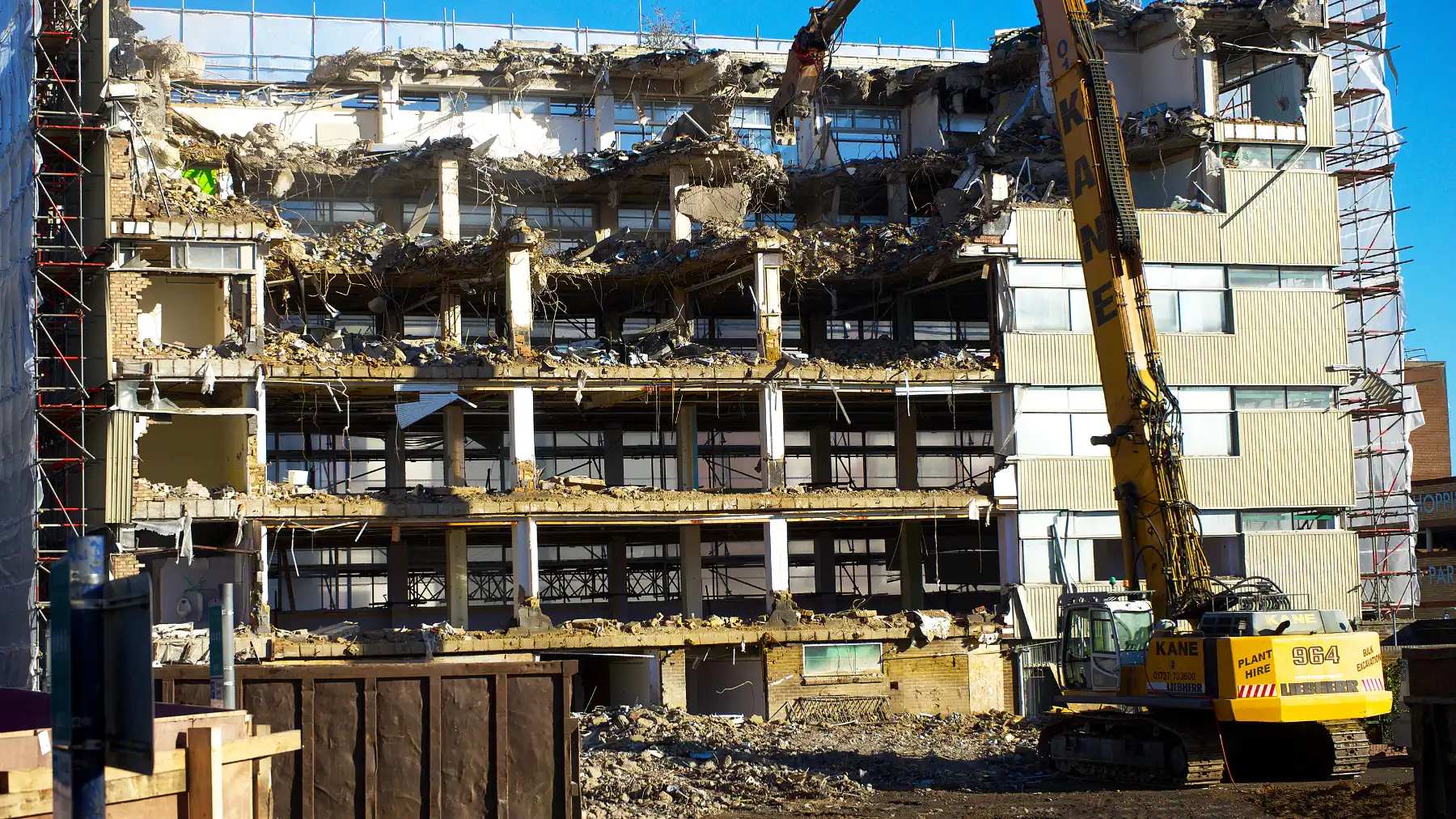
Demolition work generates more than scrap metal and debris. It generates regulatory responsibility. Federal EPA rules apply to virtually every commercial and industrial demolition project, and the obligations they create fall squarely on the contractor doing the work, not just the building owner or the waste hauler downstream.
Understanding what EPA regulations require before, during, and after demolition helps contractors avoid violations, protect their crews, and document compliance in a way that holds up if a project is ever audited or challenged.
The EPA's authority over demolition work stems primarily from two regulatory frameworks: the National Emission Standards for Hazardous Air Pollutants (NESHAP), which governs asbestos, and the Resource Conservation and Recovery Act (RCRA), which governs hazardous waste generation and disposal. Several other federal and state rules layer on top depending on project type, building age, and the materials present.
The common thread across all of them is that the contractor performing the work is considered the responsible party for proper handling and disposal of regulated materials. Ignorance of a material's presence is not a defense which is why pre-demolition surveys are a regulatory requirement, not just a best practice.
Under EPA NESHAP, any building being demolished must be inspected for asbestos-containing materials (ACM) before work begins. This requirement applies to commercial, industrial, and institutional buildings. Residential structures of four units or fewer have different thresholds, but commercial demolition contractors should operate under the assumption that a survey is required on every project.
The inspection must be performed by a trained and certified inspector. If ACM is found above regulatory threshold quantities, it must be removed by a licensed abatement contractor before any demolition activity that would disturb those materials begins. The contractor cannot proceed with structural demolition until abatement is complete and documented.
NESHAP also requires advance written notification to the Colorado Department of Public Health and Environment (CDPHE) before demolition begins on regulated projects. Notification deadlines and thresholds vary based on the amount of regulated ACM present. Failing to notify is a violation regardless of whether asbestos is actually found — the inspection must occur and the notification must be filed on schedule.
Asbestos gets the most regulatory attention, but demolition contractors should also survey for and address:
Conducting a thorough pre-demolition hazardous materials survey — and documenting it — is the foundation of a defensible compliance posture on any commercial project.
Once hazardous materials have been identified and properly abated or removed, demolition can proceed. EPA and RCRA obligations continue throughout the work.
Demolition waste that may be hazardous must be characterized before disposal. This typically means identifying materials that could contain regulated substances and ensuring they're segregated from clean debris and recyclable material. Contaminated soil, treated wood, materials with residual chemicals, and certain industrial equipment components may all require characterization before they leave the site.
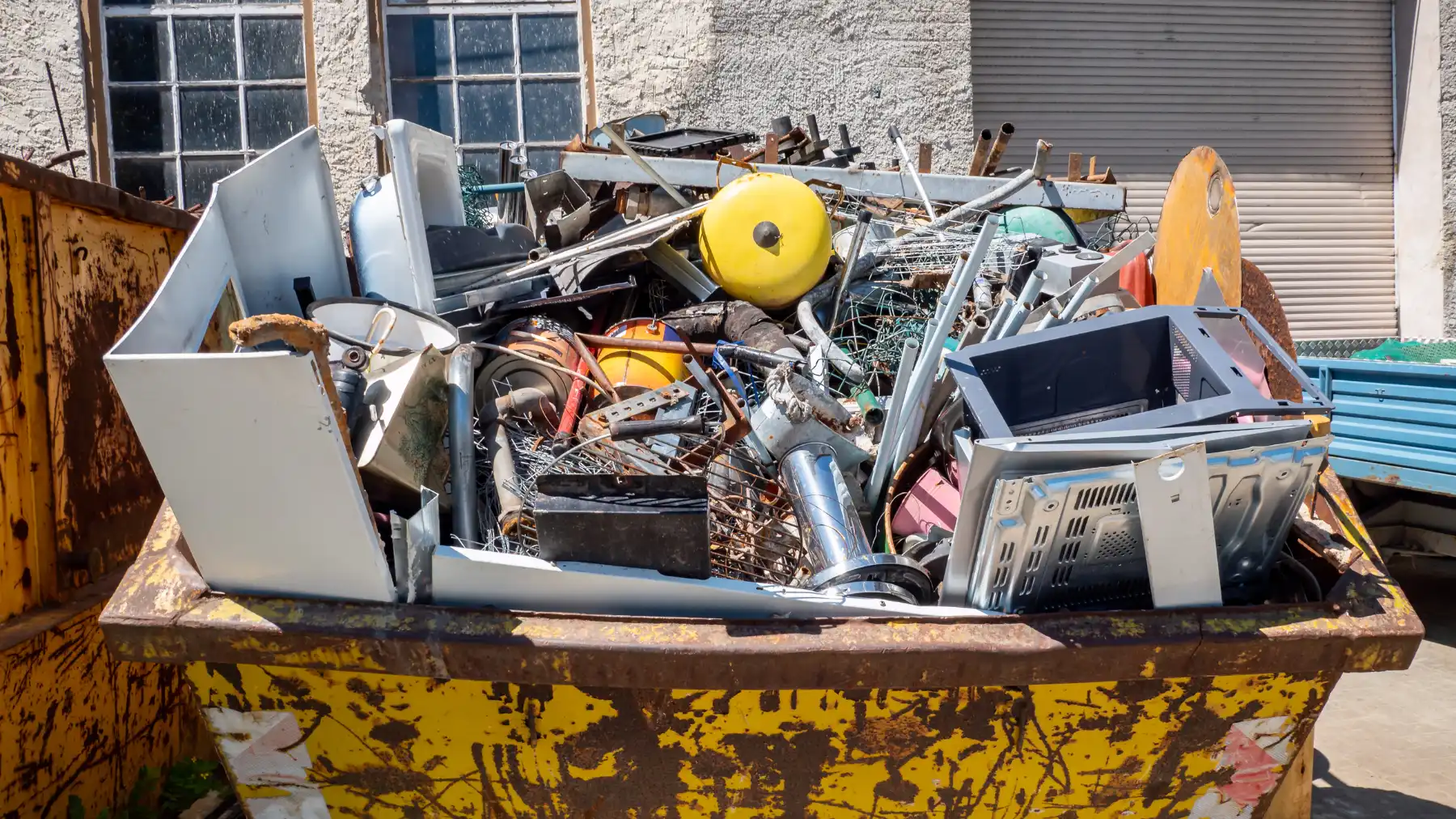
Clean scrap metal like structural steel, copper wiring, aluminum, cast iron pipe, and brass fixtures does not carry the same regulatory burden and can move directly into the recycling stream. Keeping recyclable metal separated from potentially contaminated debris is both a compliance practice and a financial one, since mixed loads lose recycling value and may trigger additional handling requirements.
EPA regulations on demolition sites operate alongside OSHA requirements for worker protection. While OSHA is a separate regulatory framework, violations during a demolition project often trigger scrutiny from both agencies.
Proper respiratory protection during asbestos and lead abatement, documented training for crews working near regulated materials, and safe handling procedures for hazardous equipment are all areas where compliance gaps create exposure on multiple fronts.
Hazardous waste removed from a demolition site must be disposed of through licensed treatment, storage, and disposal facilities (TSDFs). The disposal chain requires a hazardous waste manifest which is a tracking document that follows the material from the point of generation through final disposal. Contractors are required to retain copies of these manifests and can be held liable if the waste is improperly disposed of downstream, even after it leaves their site.
For non-hazardous demolition debris including clean scrap metal, documentation requirements are less stringent but still worth maintaining. Recycling receipts, weight tickets, and diversion records support waste management plan reporting, project closeout documentation, and any sustainability or compliance reporting the project requires.
EPA and CDPHE regulations require that certain demolition records be retained for specified periods. Asbestos inspection reports, abatement contractor certifications, NESHAP notifications, and waste disposal manifests should all be archived as part of the project file. Regulators can request these records years after a project closes, and incomplete documentation creates significant liability exposure.
Clean scrap metal from demolition is not regulated hazardous waste and moves through a straightforward recycling process. But getting it out of the demolition site efficiently, with proper documentation, requires a recycling partner who understands the pace and logistics of demolition work.
Iron & Metals provides roll-off containers, fast pickup turnaround, and certified weight documentation for demolition contractors across the Denver metro area. Our container service is built around demolition project timelines — containers sized for heavy structural scrap, swapped quickly when full, with settlement documentation that supports waste management plan reporting and project closeout.
We don't accept prohibited materials including asbestos-containing components, PCB equipment, or materials contaminated with hazardous substances. Clean, separated scrap metal moves through our yard quickly and is priced transparently against current market rates.
EPA regulations for demolition contractors are not optional, and enforcement is active. The Colorado Department of Public Health and Environment conducts inspections and responds to complaints on demolition sites, and federal EPA regional offices pursue significant violations. The financial consequences of a NESHAP violation alone can be substantial — fines are assessed per day of violation, and missed notification deadlines compound quickly.
The contractors who stay clean are the ones who build compliance into their pre-project planning rather than treating it as a post-demolition checklist item. Survey first, abate before you demolish, document everything, and work with vendors — including your recycler — whose practices and documentation hold up under scrutiny.
Contact Iron & Metals to discuss container service for your next demolition project, or stop by our yard at 5555 Franklin St in Denver, Monday through Friday, 8am to 4pm.