Construction Waste Management: How Smart Scrap Planning Prevents Cost Overruns in Demolition Projects

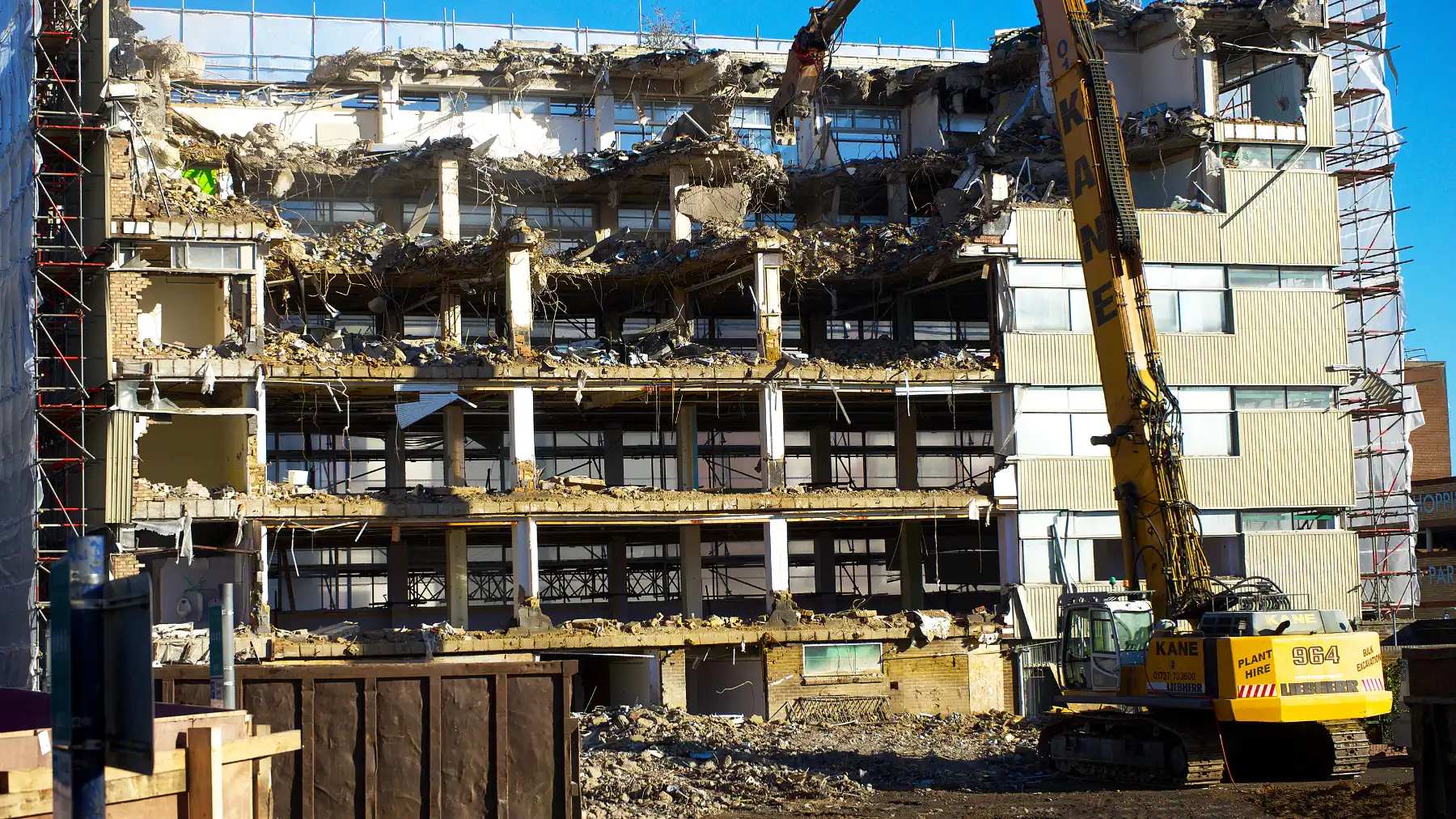
Demolition projects are unpredictable by nature. Hidden structural elements, outdated materials, and fluctuating commodity prices all impact budgets. But one of the most overlooked drivers of cost overruns isn’t structural at all — it’s poor construction waste management.

When scrap metal is treated as debris instead of a recoverable asset, projects often face higher disposal costs, jobsite congestion, and missed revenue opportunities. Smart scrap planning, built into a construction waste management strategy from the start, can prevent delays and protect margins.

For project managers, estimators, and demolition contractors, the difference between a tight budget and an overrun often comes down to how metal waste is handled.

Why Construction Waste Management Matters in Demolition

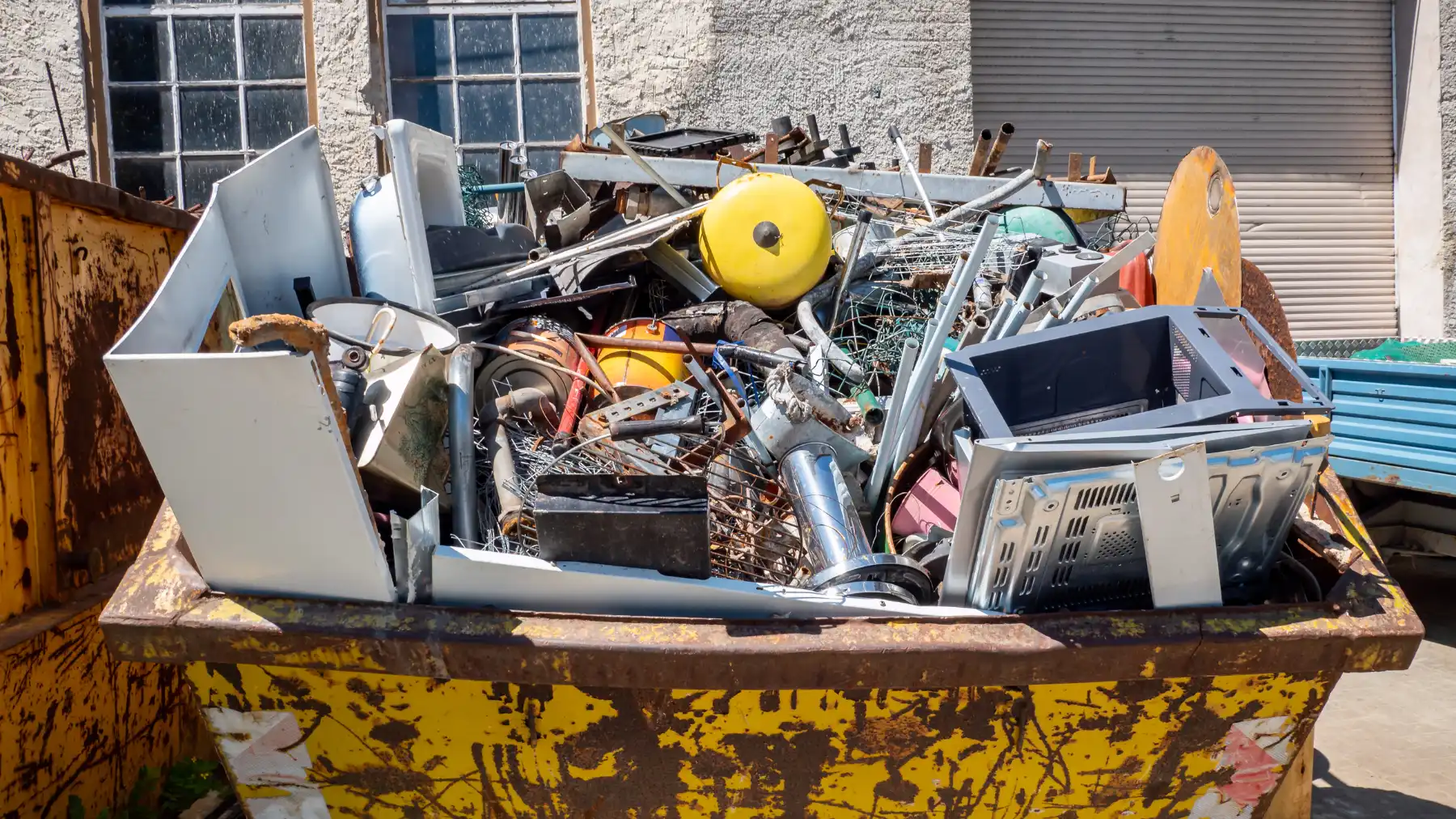
Demolition projects generate significant volumes of recyclable metal, including:

Without a structured waste plan, these materials are frequently mixed into general debris containers. That increases landfill tonnage, raises hauling costs, and eliminates the chance to recover scrap value.

Effective construction waste management ensures metal is identified, separated, and removed efficiently before it becomes a budget problem.

Where Cost Overruns Typically Occur

In demolition environments, waste-related overruns usually stem from three issues:

  1. Underestimating Material Volume: If scrap tonnage is not accurately forecasted during pre-construction planning, projects may require additional containers, emergency hauls, or labor to reorganize debris midstream.
  2. Poor Container Strategy: Using the wrong size containers or failing to designate separate metal containers results in inefficient hauling and increased tipping fees.
  3. Lost Scrap Revenue: When metal ends up in mixed waste, contractors lose the opportunity to offset costs through recycling. On large projects, this lost revenue can be substantial.

By treating scrap metal as a controlled waste stream instead of incidental debris, project teams gain more control over expenses.

Smart Scrap Planning Starts Before Demolition Begins

Strong construction waste management begins during project planning — not after demolition starts.

Conduct a Pre-Demolition Metal Assessment

Before work begins, evaluate the structure for recoverable metals. This includes:

Estimating metal volumes helps determine container needs and forecast potential recycling returns.

Include Waste Diversion in the Project Plan

Metal recycling should be written into project scopes and subcontractor expectations. Clear direction reduces confusion onsite and ensures materials are separated correctly.

When diversion is part of the contract language, crews treat scrap metal as an asset rather than waste.

How Proper Construction Waste Management Reduces Delays

Demolition sites are active, high-risk environments. Piles of unmanaged metal create safety hazards and workflow disruptions.

Strategic scrap handling improves site performance by:

Scheduled scrap removal aligned with demolition phases prevents bottlenecks. When containers are swapped proactively instead of reactively, projects stay on schedule.

Turning Scrap Into a Budget Offset

Metal recycling isn’t just about sustainability — it directly affects project finances.

Copper, aluminum, stainless steel, and structural steel all carry market value. When separated and recycled properly, these materials can offset:

For larger demolition projects, scrap revenue can meaningfully reduce net waste management costs.

While scrap prices fluctuate, consistent recovery and clean separation maximize payout potential.

The Role of the Right Recycling Partner

Effective construction waste management requires more than just containers. It requires coordination, experience, and transparency.

Iron & Metals supports demolition teams by providing:

By working with a recycler who understands demolition logistics, project managers reduce risk and gain predictable waste handling support.

Construction Waste Management as a Strategic Tool

Too often, waste management is treated as a secondary concern in demolition planning. In reality, it should be viewed as a strategic component of cost control.

When scrap planning is proactive:

Demolition projects will always carry uncertainty — but construction waste management doesn’t have to.

Conclusion

Smart construction waste management is one of the simplest ways demolition projects can prevent cost overruns and avoid unnecessary jobsite delays. By identifying recyclable metal early, separating it properly, and coordinating removal with a trusted partner, contractors gain financial and operational control.

Iron & Metals helps Colorado demolition and construction teams manage scrap metal efficiently, transparently, and profitably — supporting both budget performance and environmental responsibility.

Contact us to learn more.

Scrap Metal Removal for Construction Projects: What Works Best on Active Jobsites

Construction projects move fast. Between demolition, framing, mechanical installation, and system upgrades, metal waste accumulates quickly — often in large, heavy, and potentially hazardous quantities. Managing that scrap efficiently is critical to maintaining safety, workflow, and profitability.

Effective scrap metal removal isn’t just about clearing debris. On active jobsites, it directly affects project timelines, labor efficiency, compliance, and overall site organization. The right removal strategy ensures crews can keep building without being slowed down by piles of steel, copper, aluminum, or mechanical components.

Here’s what works best for contractors managing active construction environments.

Why Scrap Metal Removal Matters on Busy Jobsites

Construction sites generate scrap at nearly every stage of a project. Steel beams from demolition, rebar cutoffs, copper wiring, aluminum ductwork, HVAC units, conduit, and structural framing all become waste that must be managed properly.

When scrap metal isn’t removed consistently:

Organized scrap metal removal prevents these issues and allows projects to stay on schedule.

What Makes Scrap Metal Removal Effective?

On active jobsites, removal must be predictable, scalable, and safe. The most effective programs share a few common traits.

Dedicated Metal Containers

Separating metal from general construction debris is the foundation of effective scrap metal removal. Mixed waste dumpsters quickly fill with heavy steel and aluminum, increasing disposal costs and reducing recycling value.

Dedicated roll-off containers placed near high-activity zones — such as demolition areas or mechanical installation zones — allow crews to deposit scrap immediately as they work. This keeps material contained and prevents clutter.

Iron & Metals provides roll-off containers sized specifically for construction-scale projects, making it easier to manage both small renovations and full structural tear-downs.

Scheduled and On-Demand Pickup

Active jobsites can’t afford delays caused by full containers. Reliable pickup service ensures scrap is removed before it becomes a problem.

For large projects, scheduled container swaps work best. For smaller or phased jobs, on-demand pickup allows flexibility based on material accumulation. Coordinating scrap metal removal with project milestones keeps the site organized and predictable.

Safe Handling of Heavy Materials

Construction scrap is often large and dense. Structural steel, rebar bundles, and mechanical units require proper equipment for loading and removal. Safe scrap handling reduces injury risk and supports OSHA compliance.

Working with a recycler experienced in construction environments ensures that containers are placed correctly, pickups are timed appropriately, and materials are transported safely.

Common Sources of Scrap Metal on Construction Projects

Nearly every type of construction project produces recyclable metal.

Demolition and structural tear-downs generate steel beams, decking, and rebar. Mechanical and HVAC installation produces sheet metal, ductwork, compressors, and rooftop units. Electrical crews remove copper wiring, conduit, and aluminum components during upgrades. Plumbing work produces copper pipe, brass fittings, and cast-iron sections.

When these materials are separated early and removed consistently, contractors avoid unnecessary disposal costs while capturing recycling value.

How Scrap Metal Removal Reduces Costs

Scrap metal removal supports project budgets in several ways.

First, it reduces landfill fees. Metal is heavy, and mixed waste is typically priced by weight. Diverting metal from general debris lowers disposal charges.

Second, recycled metal generates revenue. Copper, aluminum, brass, stainless steel, and even structural steel all hold value. Clean, separated scrap often offsets container costs and contributes directly to project margins.

Third, organized removal improves labor efficiency. Crews spend less time clearing pathways or reorganizing scrap piles and more time completing productive work.

Choosing the Right Scrap Metal Removal Partner

Not all waste haulers specialize in metal recycling. Construction teams benefit most from working with a recycler that understands jobsite demands.

Iron & Metals supports Colorado construction projects with:

By focusing specifically on recyclable metals, Iron & Metals helps contractors maximize returns while keeping jobsites safe and efficient.

What Works Best on Active Jobsites

The most successful scrap metal removal strategies are proactive rather than reactive. Planning for scrap collection before demolition or installation begins prevents congestion later. Keeping containers accessible but safely positioned improves workflow. Coordinating removal with key project phases avoids bottlenecks.

When scrap metal removal is integrated into the overall construction plan, projects move faster, crews operate more safely, and budgets stay under control.

Conclusion

Scrap metal removal plays a critical role in modern construction management. On active jobsites, consistent and organized removal keeps projects running smoothly, reduces safety risks, and turns waste into measurable value.

Iron & Metals provides reliable scrap metal removal services tailored to Colorado construction projects — delivering the containers, pickup schedules, and transparent pricing contractors need to stay on track.

Before your next project, contact the I&M team to discuss your scrap metal removal needs.

Construction and Demolition Recycling: Fast, Reliable Metal Waste Removal for Tear-Downs and Renovations

Large-scale demolition projects and building renovations produce massive amounts of debris — especially metal. Steel beams, copper wiring, aluminum framing, HVAC equipment, conduit, plumbing, and structural components all stack up fast. Without a dependable plan for recycling and removal, job sites get crowded and timelines slow down.

That’s where construction and demolition recycling becomes a strategic advantage. For contractors and demo crews, a strong recycling partner ensures fast debris removal, better organization, lower disposal costs, and higher scrap returns.

Iron & Metals has spent more than 60 years helping Colorado’s builders and demolition teams manage metal waste efficiently with roll-off containers, scheduled pickups, transparent pricing, and safe handling from project start to finish.

Why Recycling Matters on Demo and Renovation Sites

Fast-paced construction and demolition work demands efficiency, and recycling is a critical part of that workflow. Here's why recycling on demo and reno sites matters:

  1. Rapid Waste Removal: Demolition produces mountains of metal scrap in very little time. With recycling containers staged on-site, crews can keep work moving without pausing to handle debris logistics.
  2. Lower Disposal Costs: Metal mixed with general waste drives up disposal fees and landfill charges. Separating metal reduces landfill volume and replaces disposal costs with recycling revenue.
  3. Higher Job Site Safety: Piles of metal debris — sharp edges, tangled rebar, heavy beams — become hazards. Organized collection points keep job sites safe and reduce injuries.
  4. Better Project Efficiency: Clear waste removal processes prevent delays, callbacks, or stalled sections of a tear-down. Project managers can rely on predictable container swaps and quick turnaround.
  5. Environmental Responsibility: Recycling metal supports sustainability requirements, LEED goals, and environmental commitments that many clients now request in proposals.

What Metal Materials Are Most Common in C&D Recycling?

Demolition and renovation projects generate a high volume of recyclable metals. The most common include:

These materials are heavy, valuable, and fully recyclable — making them perfect candidates for a dedicated metal recycling partner.

How Construction & Demolition Recycling Works

A strong recycling plan is straightforward and integrates seamlessly into normal demo workflows.

  1. Container Delivery: Iron & Metals delivers roll-off containers or scrap bins directly to the job site. Containers can be placed near demo zones or staging areas for easy loading.
  2. On-Site Separation: Crews load scrap metal into dedicated containers as they tear down walls, remove utilities, or dismantle structures. Keeping metal separate from other debris ensures maximum scrap value.
  3. Scheduled or On-Demand Pickup: When a container fills up, Iron & Metals swaps it quickly so work never slows down. Large-scale projects may require multiple roll-offs or increased pickup frequency.
  4. Weighing, Grading & Payment: Scrap is weighed on certified scales at I&M's Denver facility. Crews receive fair, transparent pricing based on current metal markets.
  5. Documentation & Reporting: Waste diversion, tonnage reports, and recycling receipts are provided for permitting requirements, LEED points, or client documentation.

Who Helps Construction & Demo Crews Manage Metal Waste?

Contractors often ask:
“Who handles all this scrap metal during a big tear-down?”

The answer:
Professional metal recyclers equipped for high-volume C&D work like Iron & Metals.

General waste companies aren’t designed for metal-heavy debris. A specialized recycler provides:

Iron & Metals partners with:

If your project generates a steady stream of metal debris, you need a recycler, not a regular waste hauler.

Why Fast Metal Waste Removal Matters Most

Large demo jobs move fast. You can't afford delays caused by overflowing debris areas or slow container turnaround.

Reliable pickup ensures:

Iron & Metals prioritizes demolition service, meaning you get quick swaps, flexible scheduling, and responsive support on every project.

How Iron & Metals Inc Supports Demolition Professionals

With decades of experience serving Colorado’s construction industry, Iron & Metals offers:

When metal waste is handled right, demolition projects run smoother, safer, and more profitably.

Conclusion

Construction and demolition recycling is more than just “good practice”—it’s a strategic advantage. Fast scrap removal keeps crews productive, reduces disposal costs, improves safety, and returns real value to every project.

With dedicated roll-off containers, dependable pickup, and transparent pricing, we are the trusted partner for Colorado’s builders and demo teams.

Turn your demolition metal into cleaner sites, faster timelines, and more revenue - contact us to get started.

Smart Construction Waste Recycling: Turning Scraps Into Long-Term Value

Every construction site generates waste — from leftover materials and packaging to metal scraps and demolished components. But not all of it belongs in a dumpster.

Construction waste recycling turns what would otherwise be landfill-bound debris into valuable, reusable materials. For builders, contractors, and developers, that means fewer disposal costs, better environmental performance, and a stronger bottom line.

Why Construction Waste Recycling Matters

Construction and demolition (C&D) waste makes up a significant portion of landfill volume nationwide. Recycling even a fraction of this material reduces environmental impact while improving operational efficiency.

1. Cost Savings

Recycling lowers tipping fees, reduces hauling expenses, and generates scrap revenue, particularly for metals like steel, aluminum, and copper. Over time, these savings add up to meaningful returns.

2. Regulatory Compliance

Many cities and counties in Colorado require builders to divert a certain percentage of C&D waste from landfills. Having a recycling plan in place helps maintain compliance and streamlines documentation for permits and certifications.

3. Sustainability and Reputation

Clients increasingly value sustainable building practices. Demonstrating a commitment to recycling supports LEED certification, ESG initiatives, and corporate responsibility goals.

Common Materials That Can Be Recycled on Job Sites

Most construction sites produce a mix of recyclable materials. The key is identifying what holds value and setting up collection systems that make recovery easy.

While all recyclable materials matter, metal remains the most valuable and straightforward to recover, especially for contractors working with steel, copper, or aluminum on every project.

How Metal Recycling Fits Into Construction Waste Management

Metal often represents the greatest opportunity for profit within construction recycling programs. Here’s how builders can maximize its value:

1. Set Up Dedicated Metal Containers

Keep scrap metal separate from other waste streams to prevent contamination. Iron & Metals offers roll-off containers in various sizes for job sites of any scale.

2. Sort by Type

Separate ferrous (steel and iron) from non-ferrous (copper, aluminum, brass) metals. Non-ferrous metals generally yield higher pricing.

3. Keep It Clean

Remove excessive concrete, insulation, or attachments. Clean scrap always brings better returns.

4. Schedule Regular Pickups

Coordinate pickup with project milestones. This prevents clutter, keeps the site organized, and ensures steady recycling revenue.

5. Track and Document

Detailed weight tickets and receipts from your recycler provide verifiable data for compliance and sustainability reporting.

Iron & Metals makes this process easy by managing container delivery, pickup, and transparent material grading so you know exactly what your scrap is worth.

Developing a Construction Recycling Plan

Creating a recycling plan doesn’t have to be complicated. It’s about organization, communication, and consistency.

  1. Identify recyclable materials during project planning and list them in your waste management plan.
  2. Designate collection areas with labeled containers for metal, concrete, wood, and other recyclables.
  3. Train crews on what materials go where and why recycling matters.
  4. Monitor progress by tracking container weights and recycling percentages.
  5. Adjust as needed — larger or longer projects may need extra pickups or container swaps.

A well-run recycling plan reduces job site congestion, prevents mix-ups, and keeps materials moving efficiently from collection to recycling.

Reducing Waste Disposal Costs

Construction waste disposal can be a hidden budget drain. Between landfill tipping fees and transportation, it’s easy to overspend on material that still has value.

By separating and recycling metals, concrete, and other reusable materials, builders can:

Even small improvements in waste handling can result in significant cost savings across multiple projects per year.

Partnering with the Right Recycler

A reliable recycling partner simplifies the process and ensures your materials are handled safely and profitably.

When choosing a recycler, look for:

Iron & Metals has worked with Colorado builders and contractors for over 60 years, providing trusted recycling services that make construction waste management easier and more rewarding.

Sustainability That Pays Back

Construction waste recycling isn’t just about doing the right thing, it’s about building smarter. When handled properly, job site scrap becomes an asset, not a liability.

Whether you’re managing a small renovation or a full-scale commercial teardown, Iron & Metals offers the expertise, equipment, and service to help your business recycle more and waste less.

Let’s make your next construction project cleaner, more efficient, and more profitable through recycling.

Construction Demolition Recycling: A How-To Guide for Contractors

Demolition projects generate massive amounts of material. Everything from concrete and drywall to wiring, piping, and steel beams live within those job sites. While much of this debris ends up in landfills, a surprising amount can be recycled or reused.

For contractors, mastering construction demolition recycling isn’t just an environmental move but a chance to recover valuable metals, lower disposal costs, and improve project profitability.

Iron and Metals has helped Colorado contractors and demolition companies turn construction waste into opportunity for decades. With the right approach to sorting and recycling, every project can run cleaner, greener, and more efficiently.

Why Demolition Recycling Matters

Traditional demolition often treats mixed debris as waste. But separating and recycling materials during teardown adds measurable value.

By planning for recycling early in a project, contractors and builders can reduce environmental impact and strengthen their bottom line.

High-Value Materials in Construction Demolition Recycling

While many construction materials can be recycled, metals offer the highest financial return and the most efficient recycling process.

Structural Steel and Iron

Steel beams, rebar, and support columns make up a large portion of commercial demolition material. Clean, sorted steel can be recycled indefinitely without losing quality. It’s heavy, easy to separate magnetically, and consistently in demand.

Copper

Found in wiring, plumbing, and HVAC systems, copper is one of the most valuable metals to recover. Even small amounts of copper wire, pipe, or coil add up quickly in scrap value.

Aluminum

Common in window frames, siding, conduit, and ductwork, aluminum offers strong per-pound pricing and is lightweight, making it easy to collect and transport.

Brass and Stainless Steel

Fixtures, valves, and mechanical components often contain brass or stainless steel. These materials command premium rates when clean and sorted.

Other Recyclables

In addition to metal, concrete, asphalt, brick, and some plastics can also be recycled through specialized facilities. But for most contractors, metal remains the simplest and most profitable material to recover.

Best Practices for Recovering Metal During Demolition

The key to maximizing returns lies in efficient separation and collection. A few simple strategies make a big difference:

Plan Ahead

Identify high-value materials before demolition begins. Structural steel, copper wiring, and HVAC components can often be removed selectively before heavy demolition starts.

Use Dedicated Containers

Set up roll-off containers or bins specifically for metal scrap. Iron & Metals provides on-site containers that make collection fast and safe while keeping recyclable material separate from general debris.

Sort as You Go

Separate ferrous (magnetic) metals like steel from non-ferrous metals such as copper, aluminum, and brass. Clean, sorted materials bring higher returns.

Keep Materials Clean

Avoid mixing metal with concrete, insulation, or dirt. Clean scrap is easier to process and earns better pricing.

Remove Attachments

Detach wood, plastic, or rubber fittings whenever possible. Simple preparation keeps materials uncontaminated and ensures premium rates.

Protect High-Value Scrap

Store copper and aluminum securely to prevent theft. Keeping containers in secure, well-lit areas or behind locked gates reduces risk.

By following these steps, contractors can turn what used to be waste into a steady, profitable material stream.

The Role of Professional Recycling Partners

Managing scrap on a demolition site can be challenging. This is where a trusted recycling partner makes all the difference.

At Iron & Metals, we provide demolition contractors with:

Our team works directly with demolition crews to streamline collection and logistics, ensuring you maximize value without slowing down your project timeline.

Reducing Landfill Costs Through Recycling

Hauling mixed debris to landfills can be expensive, especially when heavy metals increase weight-based tipping fees. By separating and recycling materials, you cut those costs significantly.

A single large demolition project can generate hundreds of tons of recyclable metal, and diverting it from landfill saves on both disposal and transportation expenses. That’s money you can reinvest in your next project or pass on to clients through more competitive bids.

Recycling also supports compliance with Colorado’s waste diversion initiatives, which increasingly require contractors to document how much material they keep out of landfills. Iron & Metals provides all the records and receipts needed to verify responsible recycling practices.

Building a Profitable Recycling Routine

For companies that handle regular demolition or renovation work, recycling doesn’t have to be a one-off effort. With the right program in place, it can become a consistent source of revenue.

With the right systems in place, construction demolition recycling becomes part of your workflow — not an afterthought.

Choosing the Right Recycling Partner

When selecting a recycling company, look for one that understands demolition operations and offers flexible, reliable service.

The best partners provide:

Iron & Metals had supported Colorado’s demolition and construction industries for more than 60 years, delivering dependable service and fair pricing for every type of project.

Turning Demolition Waste into Opportunity

Every demolition job leaves behind potential profit. By separating and recycling metal materials, contractors can cut landfill costs, boost revenue, and meet sustainability goals all while improving operational efficiency.

With roll-off containers, reliable pickup, and transparent pricing, Iron and Metals helps Colorado’s contractors recover more value from every project.

Turn your demolition debris into long-term business savings with Colorado’s trusted partner in construction demolition recycling.

An Industry Guide: How Does Scrap Metal Recycling Work?

Scrap metal recycling is an essential part of modern sustainability. It conserves natural resources, saves energy, and keeps valuable materials in circulation rather than in landfills. In Colorado, with its unique blend of industrial activity and environmental consciousness, metal recycling plays a vital role.

Let's take an in-depth look at how this process works.

Understanding Scrap Metal Recycling

Before diving into the specifics of Colorado, it's important to understand the basics of scrap metal recycling.

What is Scrap Metal?

Scrap metal comprises discarded metal suitable for reprocessing. It includes two primary categories:

Why Recycle Scrap Metal?

Recycling scrap metal has numerous benefits:

The Scrap Metal Recycling Process

The process of recycling scrap metal involves several key steps:

  1. Collection and Transportation: Scrap metal can be collected via container services from various sources, including households, businesses, and industrial sites. Or you can personally drive it to your local scrap yard that supports recycling drop off services.
  2. Sorting: Metals are sorted into ferrous and non-ferrous categories using magnets and other techniques.
  3. Processing: Metals are shredded, melted, and purified to ensure quality.
  4. Solidification and Transportation: The purified metal is solidified into bars, sheets, or other forms and transported to manufacturers.
  5. Manufacturing: Recycled metal is used to create new products, completing the recycling loop.

Metal Recycling in Colorado

Colorado’s diverse industrial and consumer landscape influences its scrap metal recycling:

Numerous facilities across Colorado specialize in metal recycling. These range from small, local scrap yards to large processing plants. They work closely with both industrial producers of scrap metal and individual consumers.

Industry-Specific Scrap Metal Recycling Solutions

Different industries generate unique types and volumes of scrap metal requiring specialized recycling approaches. Understanding how scrap metal recycling works for your specific industry helps maximize returns, reduce disposal costs, and meet sustainability requirements.

Utility Companies

Utilities often replace large volumes of metal cable, conduit, and transmission equipment. Recycling this material — especially copper and aluminum — helps recover significant value while reducing waste from infrastructure upgrades.

Common sources of valuable and recyclable materials include: 

Iron and Metals works with utility companies to provide on-site container services for large infrastructure projects, documentation support for asset disposal tracking, and scheduled pickup services that align with project timelines and maintenance schedules.

HVAC Contractors

From air conditioning units and furnaces to copper coils and aluminum ducting, HVAC work produces recyclable materials every day. Properly separating copper, aluminum, and steel components ensures top dollar for clean scrap while promoting sustainable service practices.

HVAC contractors can uncover value from various plumbing components and appliances:

The container programs offered by Iron and Metals support HVAC contractors managing commercial retrofits or seasonal equipment replacement volumes, while drop-off services accommodate residential contractors with steady but smaller material flows.

Plumbing Contractors

Plumbing generates some of the most valuable scrap metal in construction trades:

Iron and Metals offers plumbing contractors dedicated containers for high-value metals like copper and brass, mixed metal solutions for projects generating diverse materials, and flexible pickup scheduling that accommodates project-based work cycles.

Demolition Companies

Demolition projects generate large quantities of structural steel, rebar, conduit, and fixtures. Sorting metals on-site and using roll-off containers simplifies recycling logistics and increases project efficiency:

For demolition companies, we provide multiple container sizes including 40-yard roll-offs for large projects, rapid exchange services during active demolition phases, on-site sorting support for projects requiring material separation, and weight tickets and documentation for project accounting and regulatory compliance.

Telecommunications Companies

Old cables, hardware, and grounding systems contain high-value metals like copper and brass. Recycling this equipment responsibly reduces environmental impact and supports corporate sustainability goals.

Telecommunications infrastructure generates valuable and specialized scrap metals through network upgrades and equipment replacements:

Our team supports telecommunications companies with secure container services for valuable copper cable, coordinated pickup scheduling for infrastructure projects, documentation for asset tracking, and competitive pricing for diverse telecom metals.

Department of Transportation and Public Works

DOT and public works operations generate substantial scrap metal through road maintenance, bridge work, and infrastructure projects:

We work with government entities to provide contract pricing programs for ongoing recycling needs, container placement at maintenance facilities, scheduled route pickups coordinating with project timelines, and comprehensive documentation supporting procurement and sustainability reporting requirements.

Manufacturing and Industrial Facilities

Manufacturing operations generate consistent scrap metal streams from production processes and maintenance activities:

For manufacturers, Iron and Metals offers dedicated container placement within facilities, customized pickup schedules matching production cycles, material-specific pricing programs for high-volume single materials, and reporting and documentation supporting ISO certification and sustainability initiatives.

Commercial Construction Contractors

Commercial construction generates diverse metals through new construction and tenant improvement projects. Here’s where to look:

We support commercial contractors with job site container placement coordinating with construction schedules, multiple container options for material separation or mixed collection, project-based pickup scheduling, and documentation supporting LEED certification and green building requirements.

Automotive and Equipment Repair

Automotive repair and equipment maintenance operations generate consistent scrap metal from vehicle service and part replacements:

Iron and Metals provides automotive operations with convenient drop-off hours accommodating shop schedules, clear pricing for common automotive metals, small to medium container options matching typical volumes, and fast turnaround service minimizing time away from shop operations.

Getting Involved in Scrap Metal Recycling in Colorado

If you're in Colorado and looking to recycle scrap metal, here's how you can get involved:

For the Future

Scrap metal recycling is more than just a way to manage waste; it's a crucial component of a sustainable future. In Colorado, this process is shaped by the state’s unique characteristics and challenges. By understanding and participating in metal recycling, we can contribute to preserving natural resources, reducing environmental impact, and supporting the local economy. As we continue to innovate and improve recycling processes, the role of scrap metal recycling in Colorado will undoubtedly become even more significant.

Get started today and call us for your first FREE scrap metal container.

Scrap Smarter: What Builders Should Know About Job Site Metal RecyclingC

Construction projects create a lot of metal waste. Many builders see this as a disposal expense, but metal recycling turns it into profit. By recycling job site metals properly, builders can cut project costs by 15–25% while supporting sustainability and staying compliant with regulations.

Iron and Metals has helped Colorado builders recycle metals for decades. The key to success is using the right containers, safety practices, and material separation methods that fit seamlessly into construction workflows.

Builders who plan recycling from the start—choosing containers, setting pickup schedules, and training crews in safe handling—see better margins and stronger sustainability outcomes, whether working on homes or large commercial sites.

Understanding Construction Metal Waste Streams

Different construction phases produce different types of metal waste. Knowing these patterns helps with container placement, sorting, and pickup timing.

Recognizing these waste streams early allows builders to select appropriate container services, establish material separation procedures, and schedule pickups that align with construction timelines while maximizing metal recycling returns.

Roll-Off Container Services for Construction Sites

Roll-off containers provide the most effective solution for managing construction metal waste due to their capacity, accessibility, and compatibility with construction site operations. Selecting appropriate container types and sizes directly impacts both operational efficiency and recycling profitability.

Container Size Selection

Container selection should account for project duration, metal generation rates, and site logistics including delivery access, placement locations, and pickup scheduling that aligns with construction milestones.

Service Scheduling and Logistics

Effective roll-off service scheduling coordinates container deliveries and pickups with construction phases that generate peak metal volumes.

Clear communication with the recycling partner ensures timely pickups and avoids project delays.

Material Separation Strategies

Proper material separation represents the most critical factor determining metal recycling profitability, with clean, sorted materials commanding premium pricing compared to mixed or contaminated loads.

Ferrous Metal Separation (Steel, Iron)

Non-Ferrous Metal Management (Copper, Aluminum, Specialty Alloys)

Mixed Metal Considerations

Sometimes full separation isn’t practical. In those cases:

Safety Protocols for Metal Handling

Construction site metal recycling requires comprehensive safety procedures that protect workers while maintaining material quality and operational efficiency. These protocols should integrate with existing construction safety programs while addressing specific hazards associated with metal handling and container operations.

Personal Protective Equipment (PPE)

Require the following gear be used or worn on job sites to prevent injuries:

Material Handling Procedures

Hazardous Material Identification

When recycling construction metal, you may encounter materials that pose health hazards and require special handling procedures.

Conduct a professional assessment of asbestos before disturbing older building materials that may contain asbestos fibers. Lead-based paints may contaminate otherwise valuable metals and chemical contamination from industrial processes, fuel spills, or other sources may render metals unsuitable for standard recycling processes. 

Maximizing Value from Common Construction Metals

Different construction metals require specific handling and preparation techniques that optimize their recycling value while maintaining operational efficiency. Understanding these requirements helps prioritize separation efforts and handling procedures that maximize returns.

Structural Steel Optimization

Rebar

Copper

Aluminum

Cost-Benefit Analysis for Builders

Implementing comprehensive metal recycling programs requires understanding both direct costs and broader project benefits that justify program investments

Direct Revenue Calculations

Indirect Cost Benefits

Working with Metal Recycling Partners

Establishing strong relationships with metal recycling facilities creates competitive advantages through better pricing, flexible service arrangements, and operational support that enhances program effectiveness.

Choosing a Facility

Building Relationships

Future Trends in Construction Metal Recycling

Advancing technologies and changing regulations are transforming the construction metal recycling game.

Conclusion

Job site metal recycling turns waste into profit while supporting sustainability and compliance. With the right planning, containers, and recycling partners, builders can cut project costs by 15–25%.

Want to maximize your recycling program? Contact Iron and Metals Inc to discuss roll-off container services, material handling solutions, and scheduling tailored to your project needs. Our decades of experience with Colorado builders can help you turn scrap into savings today.