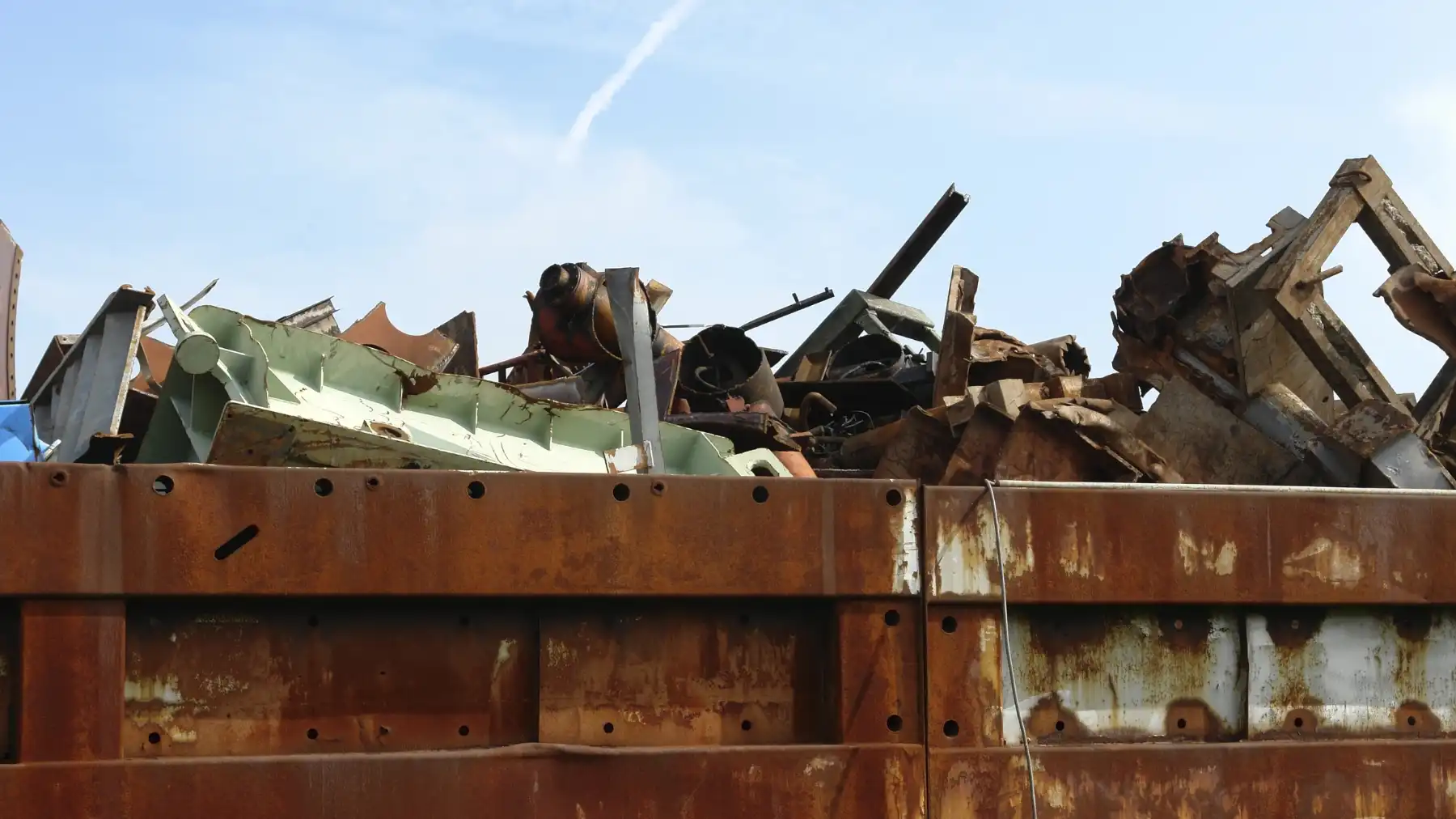
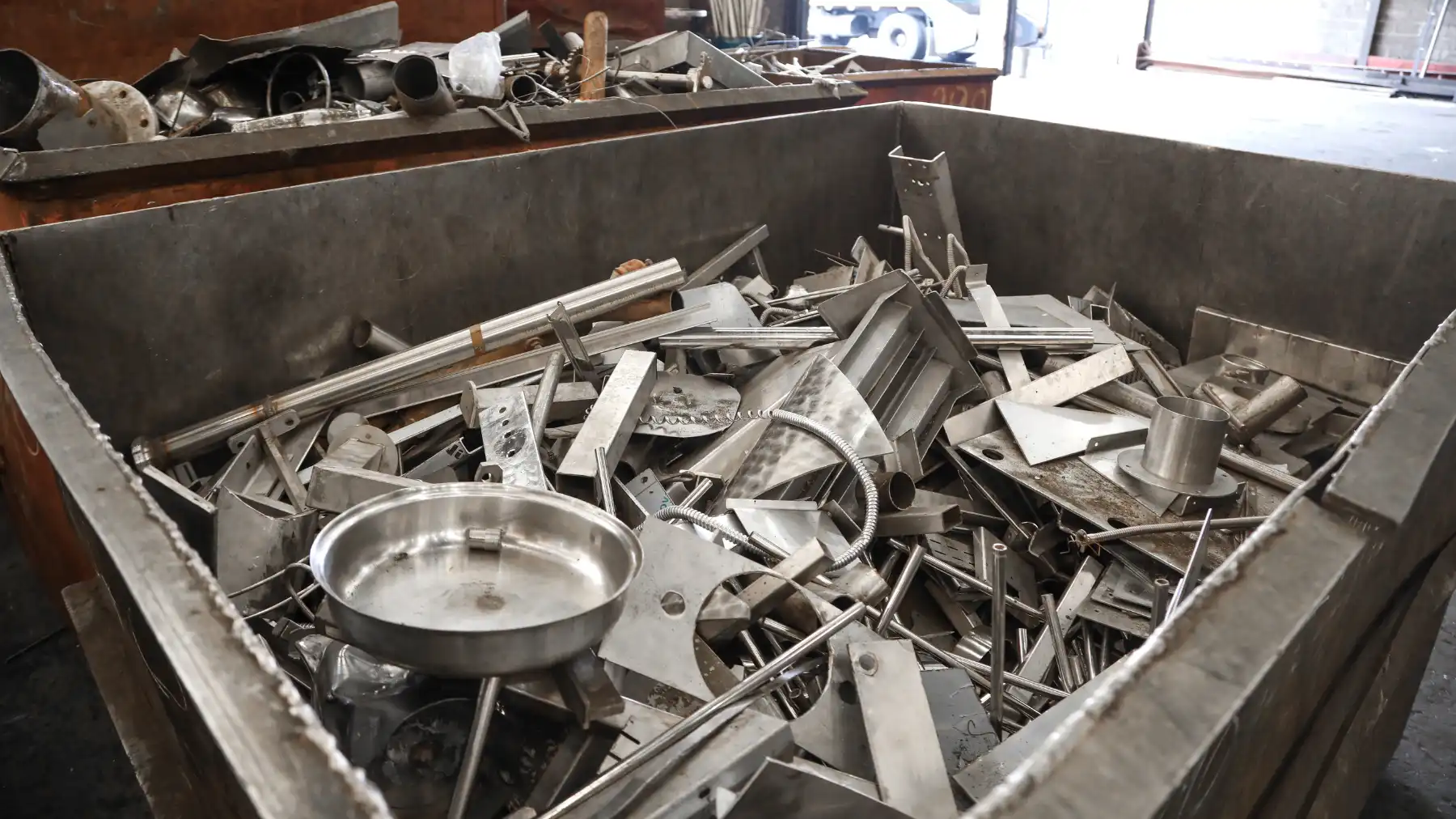
For commercial and industrial operations that generate scrap metal on a regular basis (think manufacturers, contractors, machine shops, utility crews, fabricators), a random drop-off every now and then isn't a practical solution. What makes more sense is a container program: a recycler places a bin on your site, you fill it, they pick it up and pay you for the material.
That arrangement is straightforward in concept, but the details matter. A scrap metal bin service agreement is how those details get documented. Knowing what should be in that agreement — and what questions to ask before you sign — helps you set up a program that works reliably and pays fairly from the start.
A bin service agreement is essentially a service contract between your operation and the recycling company. It establishes who owns the container, how pickup is requested and scheduled, how material is priced and paid out, and what each party is responsible for.
The specifics vary by recycler, but most agreements address the same core areas.
In most cases, the recycler owns the container and places it on your site at no cost. The agreement should specify who is responsible for the container during the time it's on your property including liability for damage, loss, or unauthorized use. It should also clarify any requirements around placement: accessibility for pickup trucks, clearance from overhead obstructions, distance from buildings, and so on.
At Iron & Metals, containers are provided free of charge and come in a wide range of sizes and styles from 1-yard warehouse boxes and gaylord boxes to 60-yard roll-off containers, lockboxes, cargo trailers, flatbeds, and van trailers. The right container for your operation depends on your scrap volume, material type, and site layout.
The agreement should explain how pickups are requested, whether that's a phone call, an online request, or an automatic schedule, and what the expected turnaround time is. For operations where container overflow would disrupt production or create a safety issue, response time is worth confirming before you commit.
Most commercial accounts call in a pickup when the container is full. A few things worth confirming upfront: is there a minimum load requirement before a pickup will be dispatched, and is there a charge for a trip where the container isn't adequately filled?
This is one area where clear communication at the outset prevents friction later. At IMI, for example, a container returning with less than half a load is considered a wasted trip, something both parties benefit from understanding before the program starts.
This is the section of any bin service agreement that deserves the most attention.
Scrap metal prices fluctuate with commodity markets, so most agreements don't lock in a fixed price. They tie payment to current market rates at the time of pickup. The agreement should specify which market index is used as the reference, how frequently pricing updates, and whether you'll be notified of significant price changes.
For operations generating multiple metal types like steel and copper from an electrical contractor, aluminum and stainless from a manufacturing line, and mixed nonferrous from an HVAC shop, make sure the agreement addresses how each material type is priced and whether mixed loads are handled differently than sorted ones.
The agreement should describe how material is graded and weighed, and what documentation you receive at settlement. A proper settlement receipt shows material type, weight, grade, price per pound, and total payment. If your operation needs this documentation for internal accounting, project closeout, or compliance reporting, confirm that it's provided consistently.
Certified scale weights are a basic requirement for any legitimate commercial account. Ask whether the recycler's scales are certified and what that certification process looks like.
Some recyclers pay on pickup; others settle on a scheduled cycle that's weekly, biweekly, or monthly. The agreement should specify the method and timing so it integrates cleanly with your accounting process. For larger accounts with high-volume or high-value loads, payment timing can be a meaningful operational consideration.
Bin service agreements aren't one-sided. They also outline what your operation is expected to do to keep the program running smoothly.
Pickups can only happen if the container is reachable. The agreement will typically require that containers be clear of obstructions like vehicles, machinery, other scrap, or anything else that would prevent the truck from accessing and removing the bin safely. On busy job sites or production floors, this is worth building into your daily site management.
Most agreements specify how containers can and can't be loaded. Material should stay within the container walls. Scrap can extend a foot or so above the rim in some cases, but overloaded containers that can't be transported safely won't be picked up. Knowing the loading limits for your specific container type prevents delays.
Every bin service agreement will reference materials that cannot go in the container. Common exclusions include items containing hazardous materials, refrigerants, oils or sludge, pressurized tanks with valves intact, PCB-containing equipment, and certain battery types. Including prohibited materials in a container can delay pickup, result in additional charges, or create compliance issues.
Review the recycler's full materials policy before your container goes on-site and make sure anyone who loads the bin understands what's excluded.
Even a straightforward agreement benefits from a few direct questions:
Is there a contract term or minimum commitment?
Some recyclers require a multi-month agreement; others operate on an ongoing basis without a fixed term. Know what you're agreeing to and what the exit process looks like.
What happens if my volume changes significantly?
If your operation scales up or a major project ends, can the container size or pickup frequency be adjusted easily?
Who do I contact if there's a problem?
Knowing your point of contact for billing questions, missed pickups, or container issues before you need it is more useful than finding out when something goes wrong.
What are the terms around container damage or loss?
If a container is damaged on your site, understand who bears that cost and how it's handled.
A bin service agreement is a working document, not just a formality. The operations that get the most out of container programs are the ones that read it, ask questions before signing, and set up internal processes that keep the program running cleanly.
A good recycler will welcome those questions. If the terms are hard to get straight answers on, that's worth paying attention to before the container lands on your site.
Iron & Metals has been placing containers with Colorado commercial and industrial accounts since 1961. Our agreements are straightforward, our pricing is transparent, and our team is available to walk through the details before you commit.
If you're evaluating a container program or want to understand how ours works, reach out to us directly — we're happy to answer every question before anything gets signed.