For a manufacturer running production five days a week, a machine shop turning out consistent metal offcuts, or a utility contractor managing multiple active job sites, scrap metal removal isn't a periodic errand. It's a recurring operational need. When pickup scheduling works well, it's invisible. When it doesn't, containers overflow, production space gets compressed, and job sites get messy.
Understanding how scrap metal pickup scheduling actually works gives facilities the information they need to set up a program that holds up under real operating conditions.
Most commercial container programs follow a straightforward model. The recycler places one or more containers on-site, the facility fills them with scrap metal, and a pickup is dispatched when the container is ready. At pickup, the material is weighed, graded, and settled against current market pricing.
Pickups are typically request-based rather than on a fixed calendar schedule. When a container is full, someone at the facility calls in the request, and the recycler dispatches a truck within an agreed timeframe. Some high-volume accounts move toward scheduled recurring pickups when their volume is consistent enough to predict fill rates accurately.
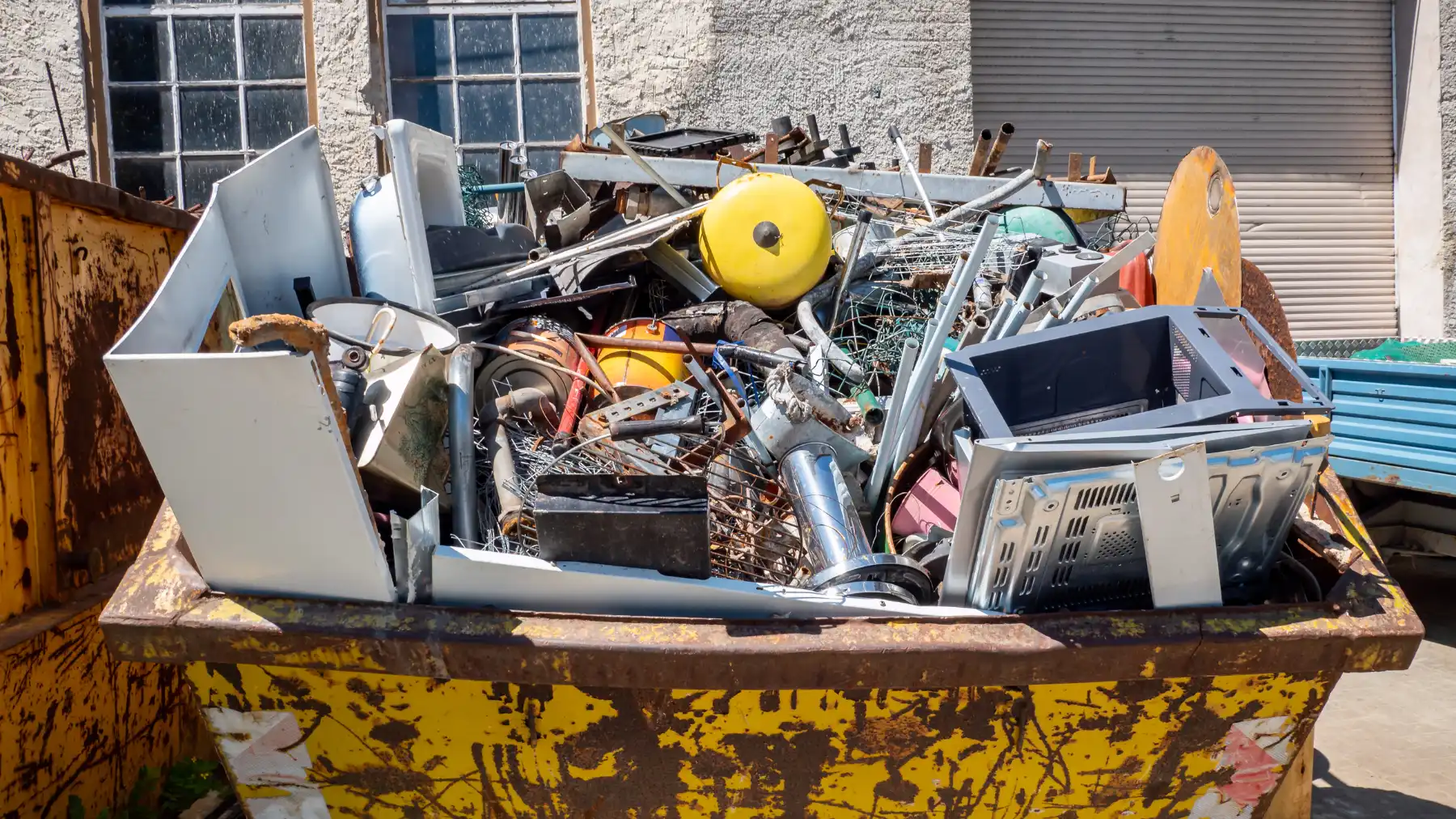
Getting pickup scheduling right starts with having the right container in the first place. A container that's too small fills too quickly and requires frequent pickups. One that's too large sits on your floor or yard taking up space, and may result in wasted trip fees if it's called in before it's adequately filled.
Iron & Metals maintains one of the largest container fleets in the Denver area, with options ranging from 1-yard warehouse boxes and gaylord boxes up to 60-yard roll-offs, plus luggers, lockboxes, cargo trailers, flatbeds, and van trailers. Matching container size to actual scrap output is one of the first conversations worth having when setting up a new account.
When the program is set up correctly, the process is simple. The facility monitors the container, calls in a pickup when it's full, and receives payment based on certified scale weight and current market pricing. The container is returned or replaced, and the cycle continues.
A few factors keep that cycle running smoothly.
Even well-intentioned programs run into problems. These are the most common points of failure.
Operations that scale up production, take on new contracts, or shift to different materials often find that their existing container setup can't keep pace. An overflow situation that happens once is a manageable problem. One that happens repeatedly signals a need to right-size the container or increase pickup frequency. The fix is usually simple, but it requires flagging the issue proactively rather than waiting for a disruption.
Pickup scheduling depends on someone at the facility initiating the request. When that responsibility isn't clearly assigned, containers fill up and sit. This is especially common in operations with high staff turnover or seasonal workforce changes. Building the pickup request process into a standard operating procedure, rather than leaving it to informal habit, makes the whole program more reliable.
A container loaded with prohibited materials won't be picked up. This creates a bottleneck that can take days to resolve, depending on how the materials need to be removed and disposed of. Facilities with multiple employees loading scrap benefit from clear posted guidelines at the container about what can and can't go in.
Most recyclers operate on standard business schedules. Facilities that run through holidays or have planned shutdowns need to coordinate pickup timing in advance. A container that fills up just before a holiday weekend with no pickup scheduled creates a problem that could have been easily avoided with a quick call ahead.
The facilities that run the smoothest container programs share a few common habits: they right-size their containers from the start, they assign clear internal responsibility for pickup requests, they keep containers accessible, and they communicate proactively when volume or scheduling is about to change.
None of that is complicated. It's mostly a matter of treating scrap metal removal as a managed process rather than a reactive one.
Iron & Metals works with commercial and industrial accounts across the Denver metro area to build container programs that fit the actual pace of their operations.
If your current pickup scheduling is creating friction, or you're setting up a container program for the first time, contact our team to talk through the setup.