Most businesses that generate scrap metal are focused on one part of the process: the drop-off or the pickup. What happens before and after that exchange (how material moves from generation through grading, processing, and back into the supply chain) is less visible, but understanding it has real practical value.
The businesses that run the most efficient scrap programs aren't just recycling consistently. They understand where the processing cycle creates opportunities to capture more value, where compliance requirements apply, and what their recycler actually needs from them to do the job well.
The processing cycle starts on your floor, your job site, or your facility, not at the recycling yard. How material is handled from the moment it's generated has more influence on final value than almost any other variable in the chain.
Separating metal by type at the point of generation — ferrous from non-ferrous, copper from aluminum, stainless from carbon steel — is significantly more efficient than sorting a mixed load later. It's easier for the person generating the scrap to drop a copper fitting in a designated bin than it is for a recycler to pick it out of a steel pile. And the cost of that post-collection sorting, when it happens at the yard, comes out of your settlement.
Facilities that build source separation into their standard operating procedures consistently recover more value per ton of scrap than those that don't, without generating any additional volume.
Non-metallic materials like insulation, plastic fittings, oils, coatings, and rubber components that end up in scrap containers create contamination that affects grading downstream. Keeping non-metal waste out of metal scrap bins is a basic habit that prevents avoidable grade reductions at settlement.
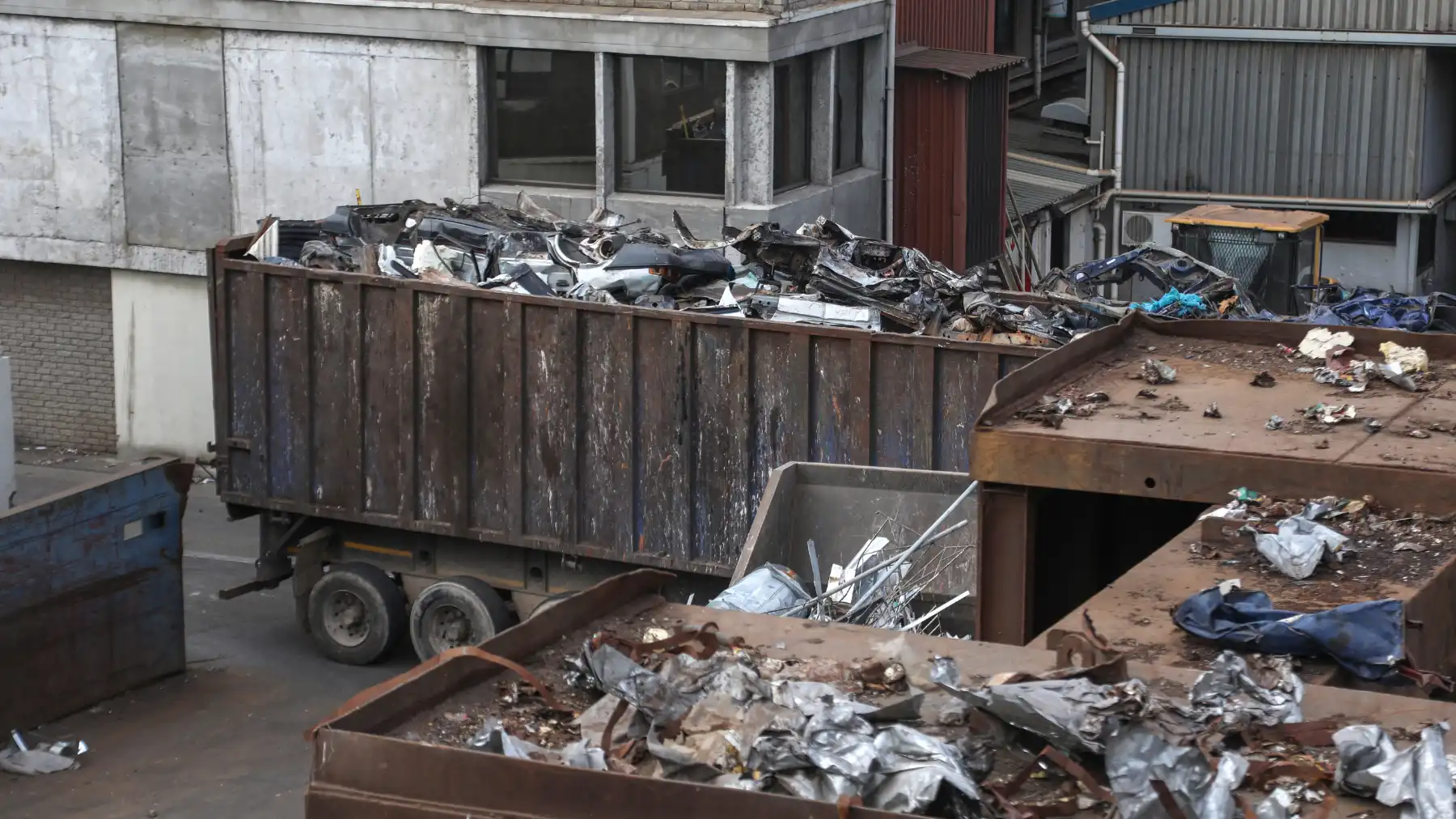
Once material is generated and separated, it needs to move efficiently from your facility to the recycling yard. For businesses with low or irregular volume, that typically means periodic drop-offs. For operations generating consistent output, a container program is more practical.
A container that's too small fills too quickly and demands frequent pickups. One that's too large sits partially full, taking up floor or yard space and potentially resulting in wasted-trip fees if it's called in before it reaches an adequate fill level. Right-sizing containers to actual scrap output is one of the more impactful logistics decisions a facility can make and one worth revisiting when production volumes change.
For businesses with compliance or ESG reporting requirements, documentation starts at collection, not at the yard. Recording what material types are generated, in what volumes, and from which processes or job sites creates the paper trail that supports accurate annual reporting. Settlement receipts from the recycling yard capture what was sold; internal records capture what was generated. Both are needed for complete material flow documentation.
When material arrives at a scrap yard, it goes through a standardized intake process: the load is weighed on certified scales, and the material is graded based on type, quality, and contamination level. This is where source separation decisions made upstream show up in your settlement.
Grading isn't arbitrary, it reflects the recycler's cost to process the material and the commodity market value of what they'll recover from it. Clean, separated copper grades as #1 or bare bright copper and pays accordingly. The same copper mixed with steel or wrapped in insulation grades lower because processing it costs more and the yield is less predictable.
Understanding the grading categories for your primary materials — and what puts a load into a lower grade — helps you make informed decisions about preparation. For high-value metals like copper, stainless steel, and brass, the effort to maintain grade is almost always worth the return.
Certified scale weights are the legal and financial foundation of every scrap transaction. In Colorado, commercial scales used for purchase transactions are required to meet state certification standards. Every transaction at Iron & Metals is settled against certified weights, and itemized documentation is provided showing material type, weight, grade, and price per pound.
For businesses that need this documentation for internal accounting, project closeout, or compliance reporting, consistent recordkeeping from your recycler is a prerequisit, not an optional add-on.
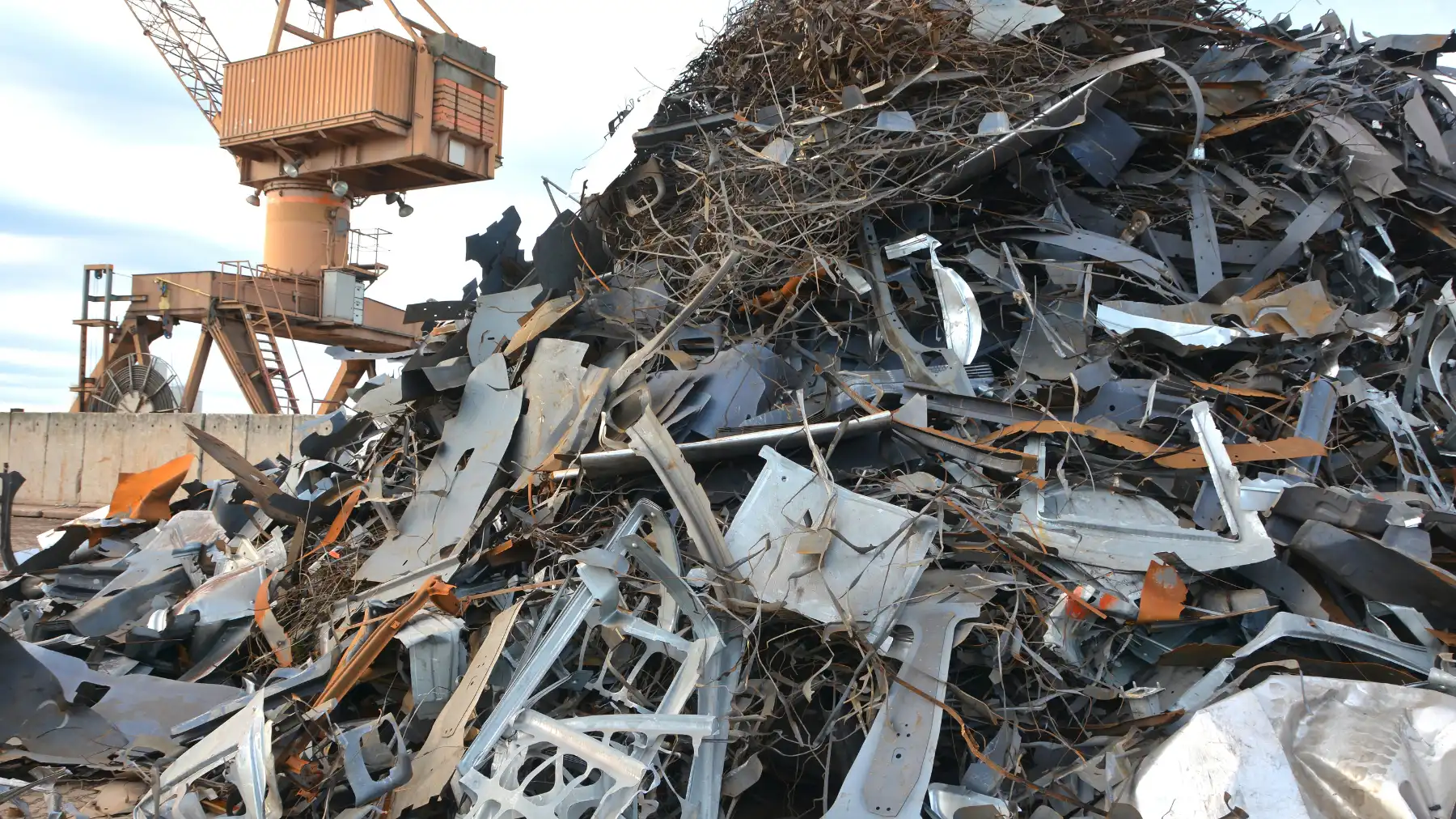
After intake, scrap metal is processed into commodity-ready form. It's shredded, baled, torched, or otherwise prepared for sale to mills, foundries, and smelters. This stage happens at the recycling facility and doesn't require action from the business delivering material, but understanding it explains why grading matters so much upstream.
Processors sell into commodity markets where buyers have specific requirements for metal purity, size, and form. Material that arrives contaminated or poorly sorted requires additional processing to meet those specifications and that additional cost is what gets reflected in lower per-pound pricing at intake. The cleaner and better-sorted a load is when it arrives, the more directly it can move into the commodity stream with minimal rework.
Common metals like carbon steel, aluminum, and copper follow well-established processing pathways. Specialty metals including titanium, high-temp alloys like Inconel and Hastelloy, and precision stainless from medical or aerospace applications require more specific grading and often route to specialized buyers. Working with a recycler experienced in these materials, rather than one who treats them as generic scrap, is the difference between receiving commodity pricing and specialty pricing for the same pound of material.
Iron & Metals accepts a wide range of specialty metals and has the experience to grade and handle them accurately, including titanium from aerospace operations, precision stainless from medical machining environments, and high-temp alloys from industrial applications.
Scrap metal recycling in Colorado operates under a regulatory framework that affects both recyclers and, in some cases, the businesses that generate scrap. Staying compliant isn't complicated for most commercial accounts, but a few areas warrant attention.
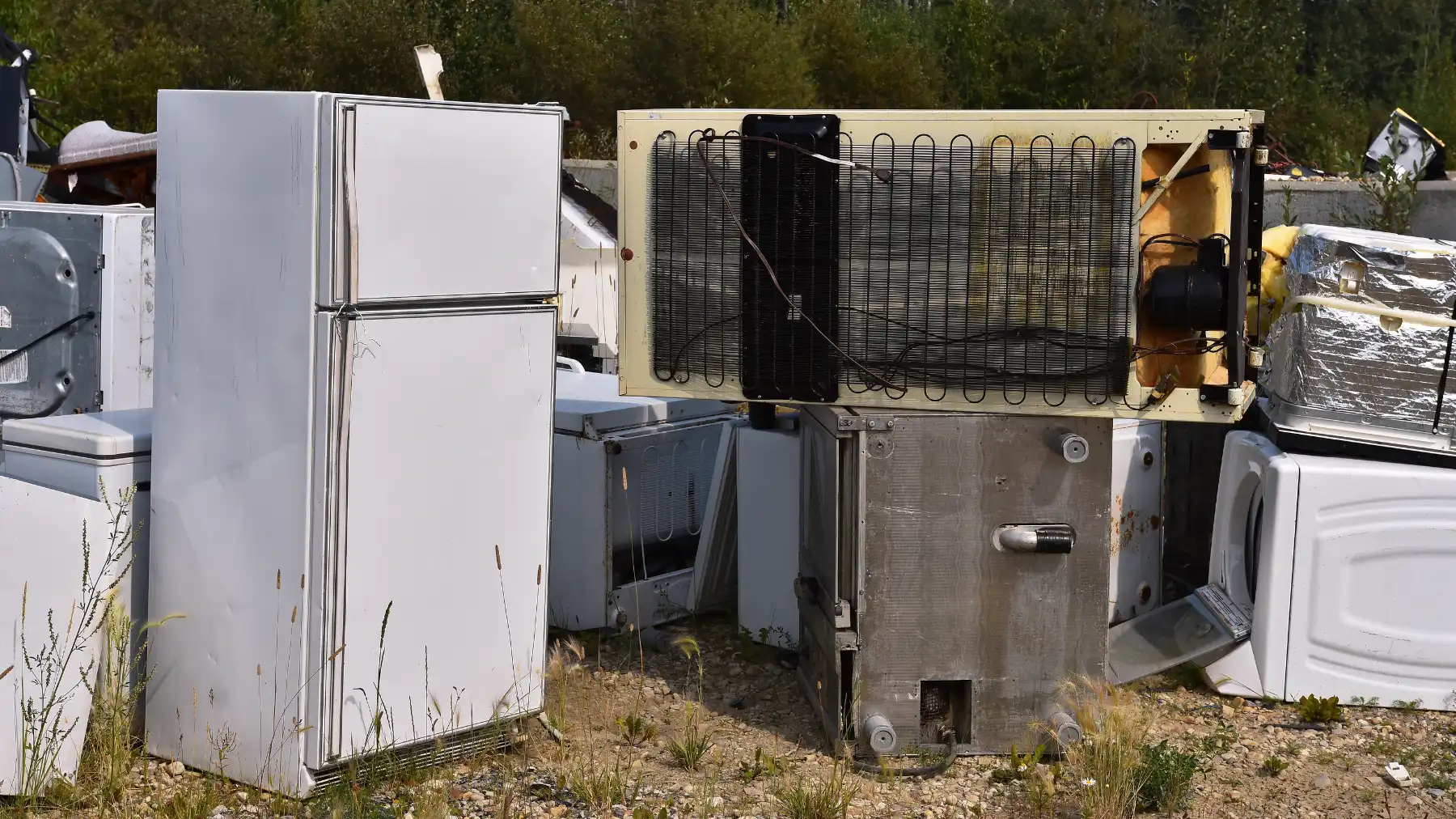
Every recycling yard maintains a list of materials that cannot be accepted. These include pressurized tanks with intact valves, refrigerant-containing equipment without proper evacuation documentation, PCB-containing components, hazardous materials, and others. Sending prohibited materials in a container or load creates compliance exposure for both the generator and the recycler, and typically results in the load being rejected or additional handling fees.
Reviewing your recycler's policies page before setting up a container program and making sure anyone who loads containers at your facility understands what's excluded is a simple step that prevents avoidable complications.
Colorado, like most states, requires scrap metal dealers to maintain transaction records including seller identification for certain material types. This is primarily relevant for non-ferrous metals and is designed to support law enforcement efforts around metal theft. For established commercial accounts with documented business relationships, this requirement is generally straightforward to satisfy. Cash transactions above certain thresholds may trigger additional documentation requirements depending on current state regulations.
The businesses that get the most out of scrap metal recycling treat it as a managed process rather than an afterthought. Source separation at the point of generation, right-sized container logistics, accurate grading expectations, consistent documentation, and a recycler whose records and compliance practices hold up under scrutiny — these aren't separate concerns. They're connected stages in the same cycle.
Iron & Metals works with commercial and industrial accounts across Denver to support every stage of that cycle, from container placement and pickup scheduling to accurate grading, certified weighing, and complete settlement documentation. If your current scrap program has gaps in any of these areas, it's worth a conversation.
Contact our team or stop by 5555 Franklin St in Denver, Monday through Friday, 8am to 4pm.