Water and wastewater equipment manufacturing requires durable, corrosion-resistant materials built to perform in demanding environments. From pumps and valves to filtration systems and treatment infrastructure, these operations rely heavily on metals like stainless steel, carbon steel, aluminum, and specialty alloys.
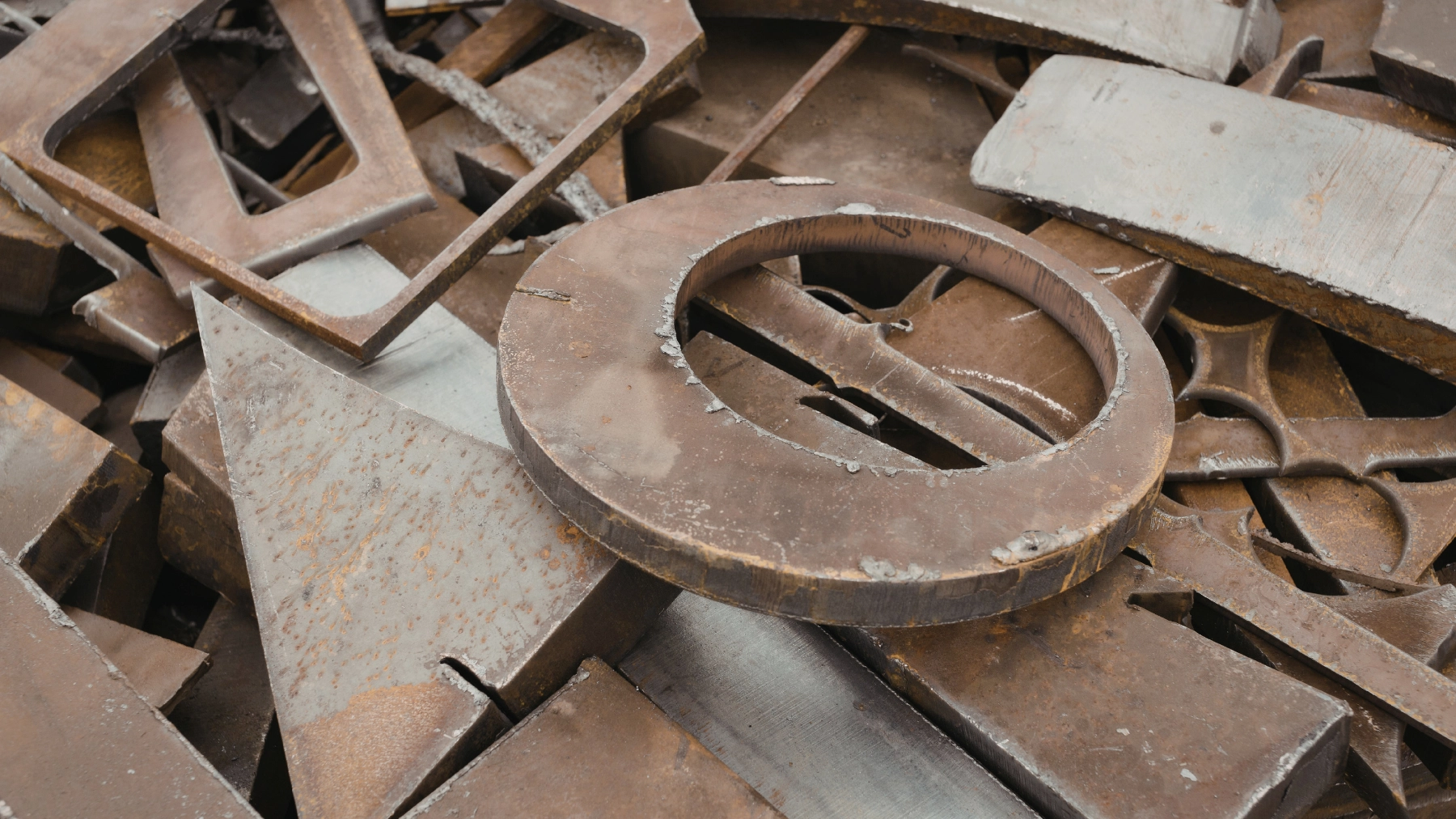
With that level of material usage comes a consistent output of metal scrap. Offcuts, machining waste, rejected components, and obsolete equipment all contribute to a steady stream of recyclable material.
For manufacturers in this sector, effective metal scrap disposal is not just about clearing space. It’s about improving efficiency, controlling costs, and recovering value from materials already built into production.
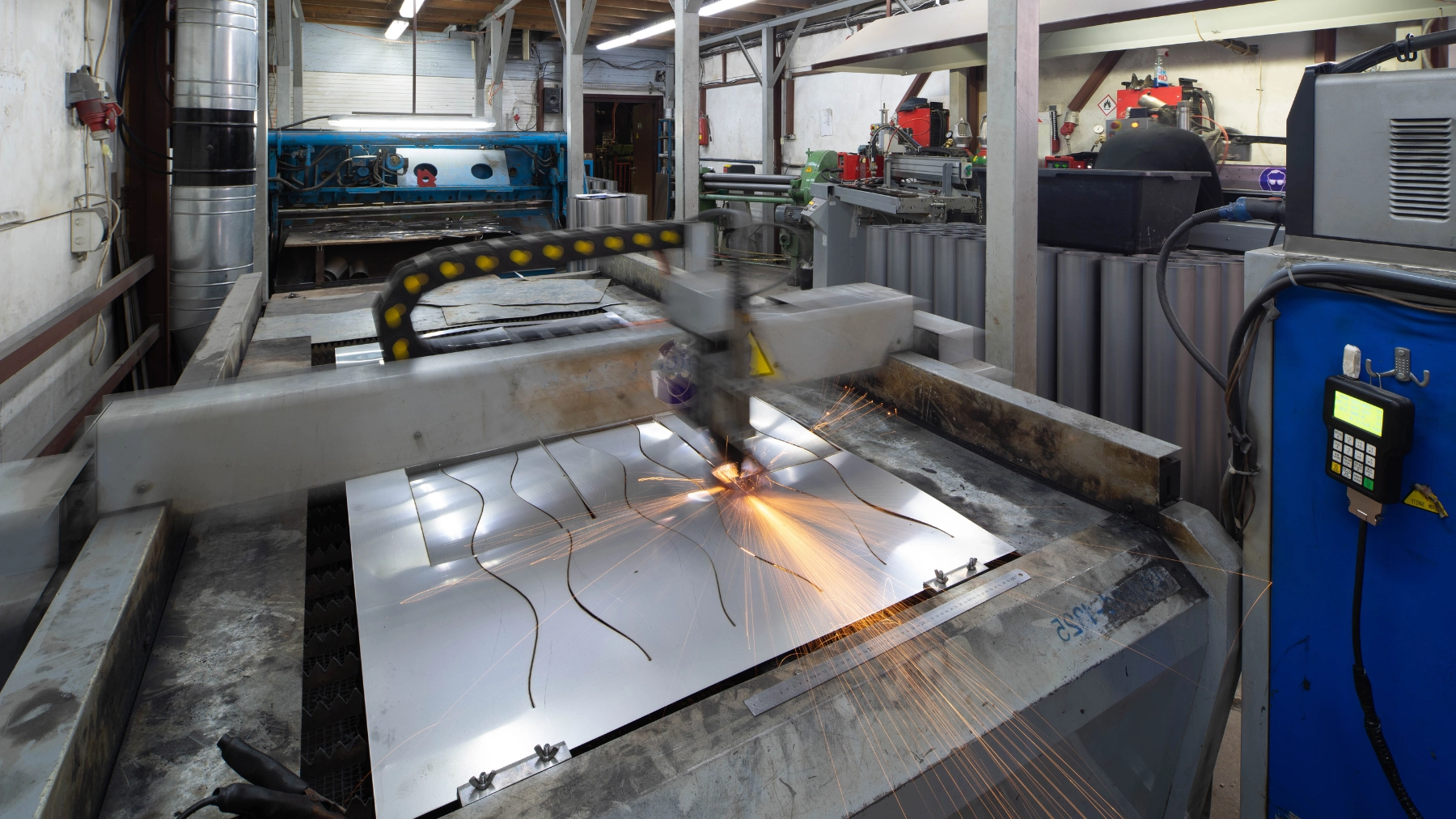
Scrap metal is generated at nearly every stage of production.
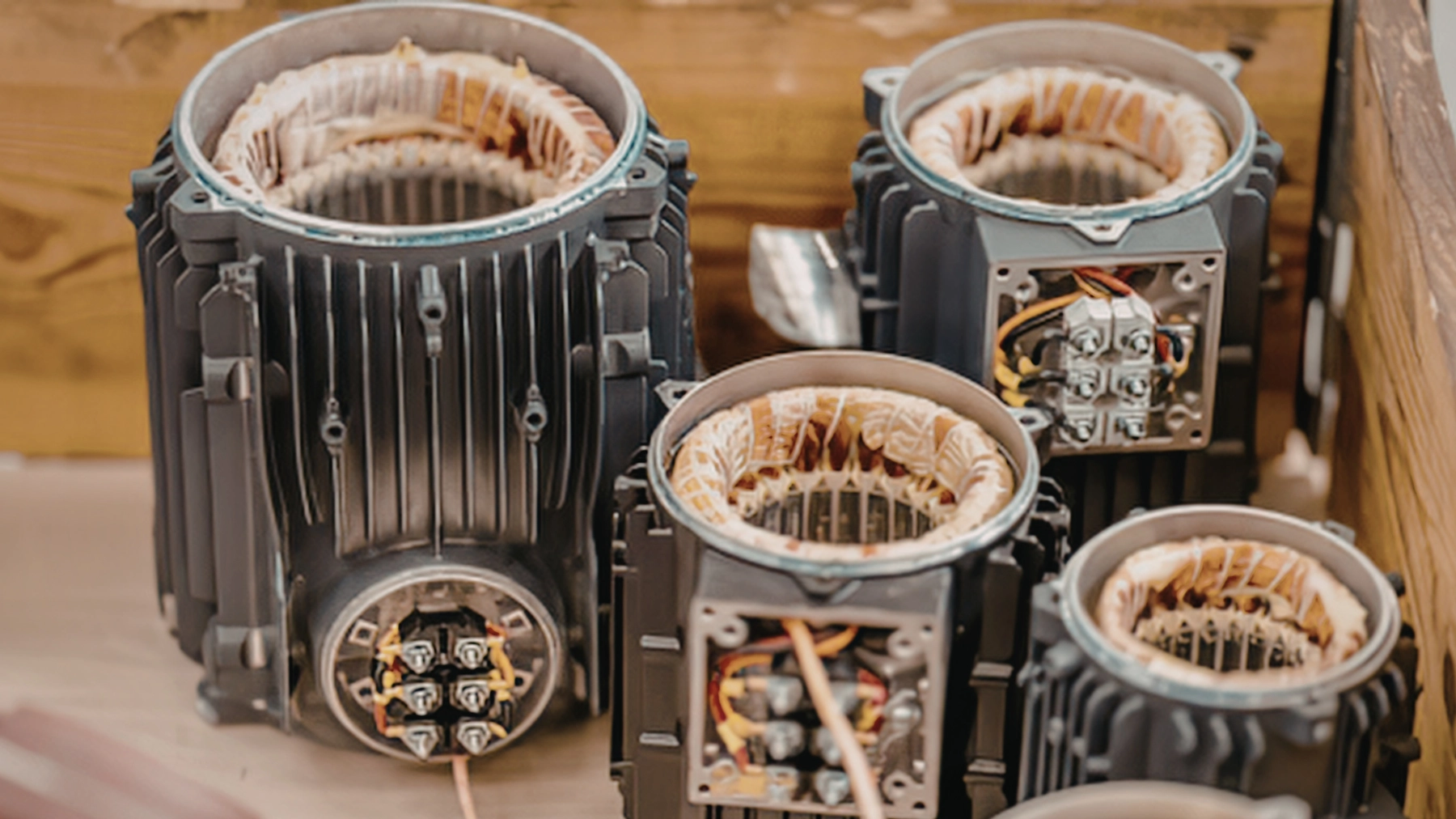
In addition, manufacturers may handle scrap from equipment refurbishment or decommissioning. Pumps, tanks, and treatment systems that are replaced or upgraded can contribute significant volumes of metal.
Because many components are built to withstand corrosion and harsh environments, the metals used in this industry often carry strong recycling value when handled properly.
When metal scrap disposal is not managed strategically, it creates avoidable costs and operational challenges.
Mixed scrap reduces material value. Stainless steel contaminated with carbon steel or aluminum can be downgraded, resulting in lower returns.
Overflowing bins and poorly organized scrap areas can disrupt production flow and create safety risks. In busy manufacturing environments, clutter slows down operations and increases the likelihood of accidents.
There is also a direct financial impact. When recyclable metal ends up in general waste, companies pay unnecessary landfill fees instead of recovering value.
For facilities operating on tight margins and production schedules, inefficient scrap handling becomes an ongoing drain on performance.
The most effective approach to metal scrap disposal starts with consistency.
Scrap should be collected at the point of generation. Placing bins near cutting stations, machining centers, and fabrication areas allows operators to dispose of material immediately without interrupting workflow.
Separation is key. Stainless steel, carbon steel, aluminum, and other metals should be kept separate whenever possible. This preserves material value and simplifies recycling.
Clear labeling helps ensure employees follow proper procedures without needing constant oversight. In facilities with multiple shifts or high turnover, simple systems make a big difference.
Regular removal schedules prevent buildup. Whether through scheduled pickups or on-call service, maintaining consistent scrap flow keeps production areas clean and organized.
Water and wastewater equipment often uses higher-grade metals, particularly stainless steel and corrosion-resistant alloys. These materials typically command better pricing when recycled but only if they are handled correctly.
Over time, tracking scrap output by material type can also provide insights into production efficiency and material usage.
Manufacturers in the water and wastewater sector are often closely tied to public infrastructure and environmental standards. That makes sustainability and compliance an important part of operations.
Recycling metal scrap supports waste reduction efforts and helps facilities meet internal sustainability targets. It also reduces the need for raw material extraction, supporting broader environmental goals.
Accurate documentation from recycling partners can support reporting requirements, audits, and internal tracking. For companies working with municipalities or public agencies, this level of transparency is especially important.
Beyond cost and compliance, proper scrap disposal improves daily operations.
Organized scrap handling reduces clutter and improves workflow. Clear pathways and designated scrap areas help prevent accidents and keep equipment accessible.
Consistent processes also reduce the need for re-handling materials. Instead of moving scrap multiple times, teams can dispose of it correctly the first time.
In manufacturing environments where efficiency is critical, these operational benefits add up quickly.
Iron & Metals Inc works with manufacturers across Colorado to simplify metal scrap disposal and recycling.
We provide:
Our team understands the materials commonly used in water and wastewater equipment manufacturing and helps ensure scrap is handled efficiently and valued appropriately.
Metal scrap disposal is an essential part of water and wastewater equipment manufacturing. When managed properly, it reduces costs, improves efficiency, and creates a consistent opportunity to recover value.
By separating materials, maintaining clean scrap streams, and working with an experienced recycling partner, manufacturers can turn waste into a reliable part of their operation.
Iron & Metals helps Colorado manufacturers manage scrap metal with dependable service and transparent pricing — supporting both performance and sustainability. Contact our team to learn more.