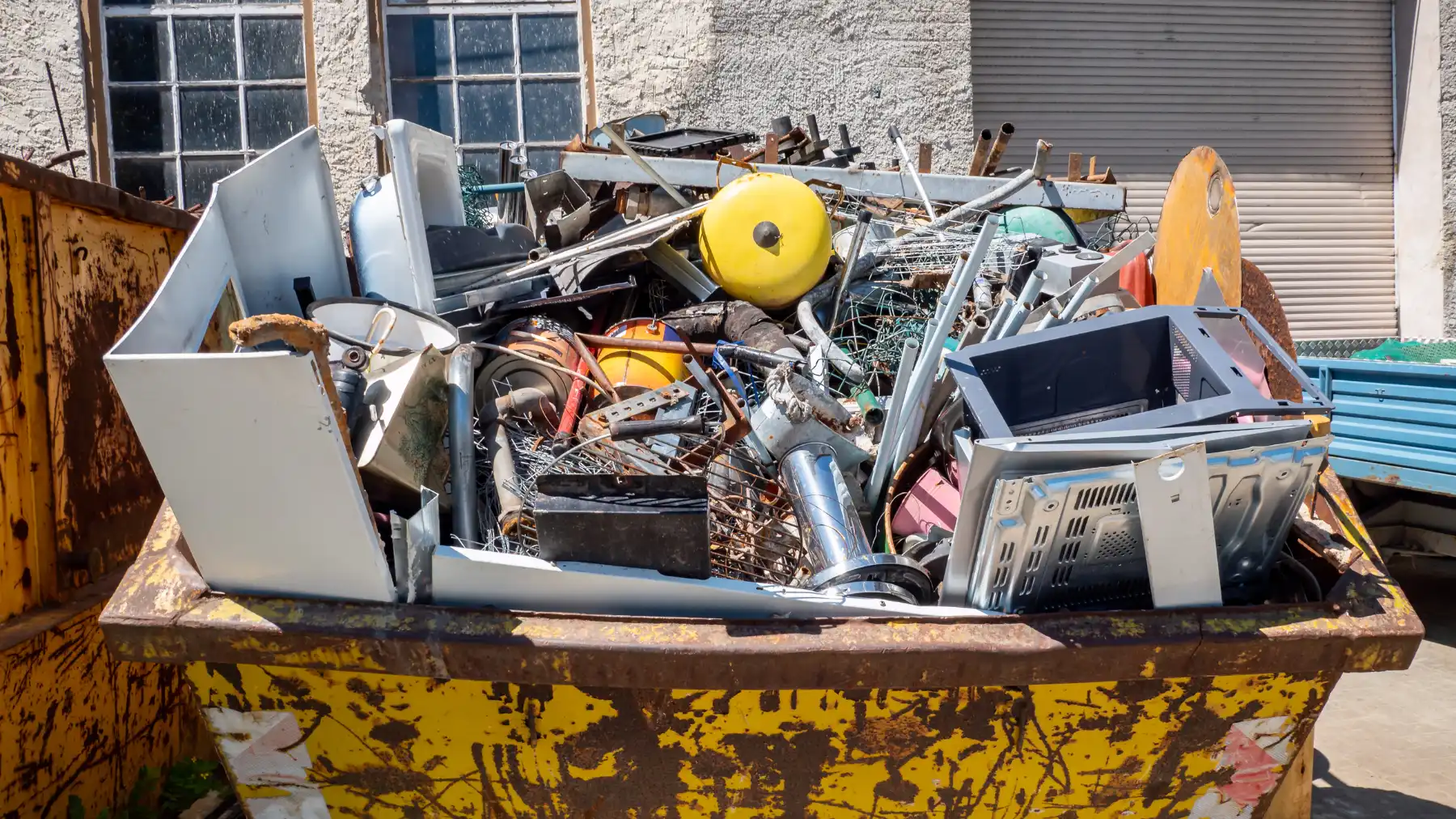
Metal stamping and fastener production are built around speed, precision, and volume. Whether producing brackets, connectors, bolts, screws, or specialty components, these operations run continuous cycles where even small inefficiencies can scale quickly.
One of the most consistent outputs in these environments is manufacturing scrap. From sheet metal skeletons and trim waste to rejected parts and off-spec runs, scrap is unavoidable but it doesn’t have to be unmanaged.
With the right strategies, manufacturers can reduce scrap at the source while improving how remaining material is collected, recycled, and turned into value.
In metal stamping and fastener production, scrap is generated in predictable ways.
Because production is continuous, even small inefficiencies can result in large scrap volumes over time.
Manufacturing scrap is more than just leftover material; it directly impacts profitability.
Higher scrap rates mean more raw material consumption, which increases input costs. For operations using steel, stainless, or specialty alloys, that cost adds up quickly.
There’s also the cost of handling and disposal. Scrap takes up floor space, requires labor to manage, and can disrupt workflow if not controlled. When scrap is mixed or poorly handled, it may also lose recycling value. Clean, separated material commands better pricing, while mixed or contaminated scrap is often downgraded.
Reducing scrap at the source and managing it effectively both play a role in protecting margins.
One of the most effective ways to reduce manufacturing scrap is by improving how material is used during stamping.
Optimizing part nesting layouts can significantly reduce skeleton waste. Even small adjustments in spacing or orientation can improve material yield across high-volume runs.
Tool maintenance is also critical. Worn dies can create off-spec parts and increase scrap rates. Regular inspection and timely replacement help maintain precision and reduce waste.
For operations running multiple part variations, reviewing setup procedures and standardizing changeovers can reduce scrap generated during transitions. Over time, these improvements contribute to better material efficiency and lower overall scrap volume.
Fastener manufacturing presents its own set of challenges.
Cold heading and trimming processes generate consistent scrap streams that must be handled efficiently. Because these operations run at high speed, scrap can accumulate quickly if not managed in real time.
Keeping scrap contained at the machine level helps prevent buildup and keeps production areas clear. Dedicated bins for steel, stainless, or specialty alloys make it easier to maintain separation.
Rejected parts should also be collected consistently. While individual pieces may seem insignificant, high production volumes mean they add up quickly.
Treating scrap as a continuous output — rather than a periodic cleanup task — helps maintain efficiency.
In high-volume manufacturing, scrap management works best when it is built into daily operations.
Collection points should be located close to where scrap is generated. This reduces handling time and encourages operators to dispose of materials immediately.
Clear labeling and simple sorting rules help ensure consistency across shifts. When employees understand where materials go, separation becomes part of the workflow.
Regular removal schedules prevent overflow and maintain a clean, organized environment.
When scrap handling is consistent, it becomes predictable and easier to manage.
Even when scrap can’t be reduced further, its value can still be protected.
Separating materials by type is the most important step. Carbon steel, stainless steel, and aluminum should be kept separate to ensure accurate grading.
Minimizing contamination also helps. Keeping scrap free from excess oil, packaging, and debris improves recycling value and processing efficiency.
Accumulating sufficient volume before recycling can also improve returns, particularly for operations generating consistent scrap streams.
In high-volume environments, small improvements in handling can lead to meaningful financial gains.
Reducing and recycling manufacturing scrap supports both operational and environmental goals.
Lower scrap rates improve material efficiency and reduce costs. Recycling ensures that unavoidable waste is reintroduced into the supply chain rather than sent to landfill.
For manufacturers working toward sustainability targets, documented recycling efforts provide measurable results. This can support internal reporting, customer requirements, and broader environmental initiatives.
In industries where efficiency and accountability matter, scrap management plays a key role.
Iron & Metals works with manufacturers across Colorado to manage manufacturing scrap efficiently and reliably.
We provide:
Our team understands the pace and demands of stamping and fastener production and helps ensure scrap handling supports — not disrupts — your operation.
Manufacturing scrap is an unavoidable part of metal stamping and fastener production, but it doesn’t have to be a loss.
By improving material utilization, maintaining consistent collection practices, and protecting scrap value through proper handling, manufacturers can turn waste into a controlled and valuable part of their process.
Iron & Metals helps Denver-area manufacturers reduce waste, recover value, and keep operations running efficiently with dependable scrap recycling solutions.
If you need a reliable recycling partner, contact the Iron and Metals team today.