For utility and telecom crews, copper cable is a constant byproduct of the work pulled from overhead lines, underground conduits, legacy telecom networks, and decommissioned equipment on a near-daily basis. That material has consistent market value, and crews that treat it as a managed resource rather than job site waste recover meaningful revenue over time.
The difference between getting top dollar and leaving money on the table usually isn't the volume of copper; it's how it's handled from the point of removal to the recycling yard.
Copper consistently ranks among the highest-value scrap metals on the market. Prices shift based on global supply and demand, but copper's value relative to other metals remains strong, which makes it worth managing carefully even on smaller jobs.
Not all copper cable scrap is priced the same. Recyclers grade material based on copper content, insulation type, and contamination level. Bare bright copper and #1 copper command the highest prices, while insulated wire is graded separately, typically based on the estimated percentage of copper inside the jacket.
The practical takeaway: how you handle material in the field has a direct effect on how it gets classified and what you're paid. A clean, separated load of insulated cable will always outperform a mixed load of the same material thrown in with steel or aluminum.
Three variables most consistently impact copper cable recycling value for utility and telecom operations:
The volume of recyclable copper in utility and telecom operations is easy to underestimate until you start tracking it. Common sources include distribution and transmission line replacements, transformer and substation decommissioning, underground cable pulls and conduit work, telecom network upgrades and legacy copper removal, service disconnections and meter changeouts, and equipment disposal at end of asset life.
Even routine maintenance work produces offcuts, splices, and short lengths that add up across a full season of jobs.
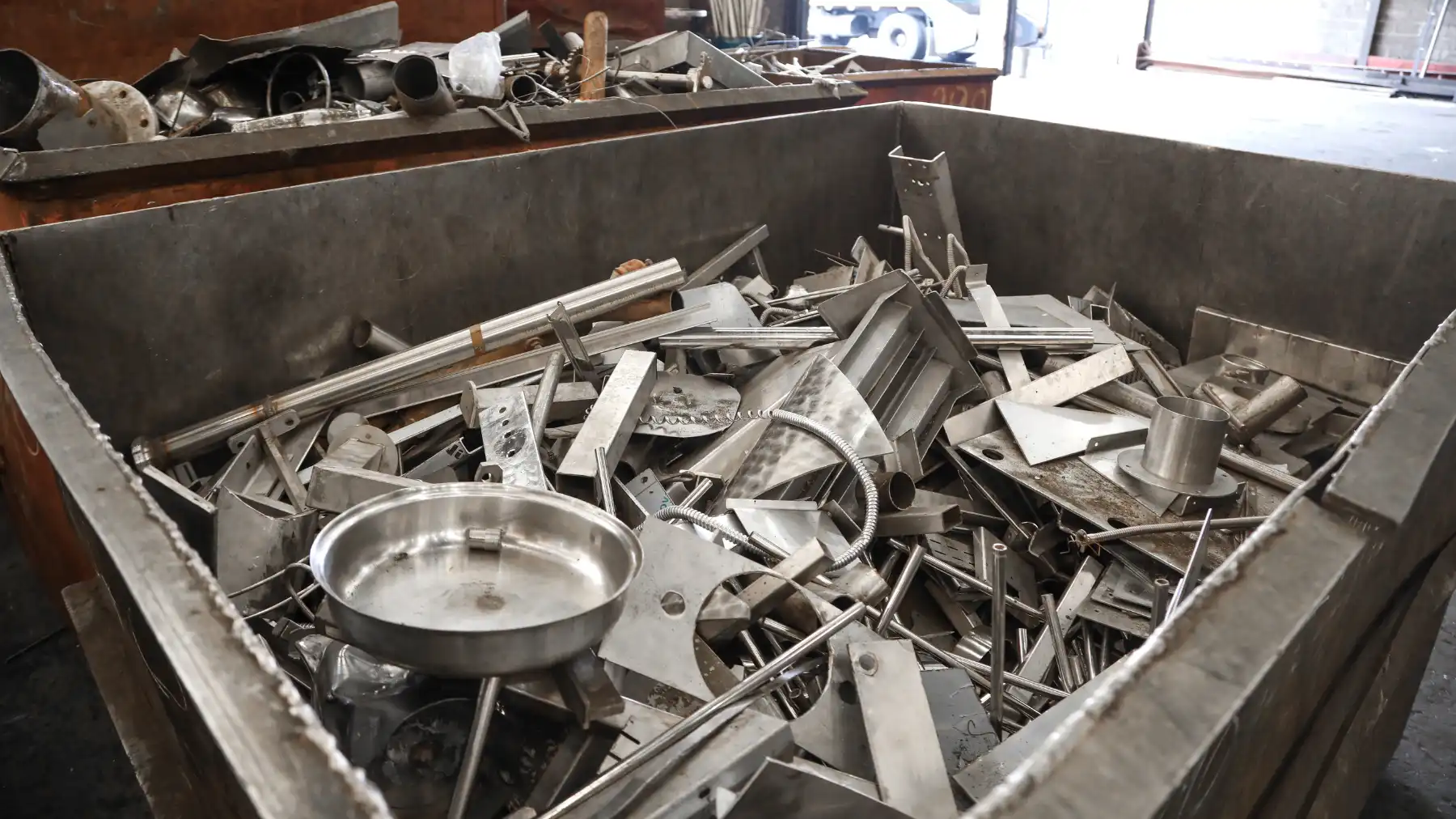
The single most impactful thing a crew can do is keep copper cable out of the general scrap pile. Dedicated containers or collection points on-site. Even something as simple as a separate bin or pallet prevents copper from getting mixed with steel, aluminum, or debris. Mixed loads get downgraded. Separated loads get paid at copper rates.
Stripping insulated cable to recover bare copper can increase its value, but for most utility and telecom crews, the labor and logistics rarely justify the return unless you're processing large volumes of the same cable type. A reputable recycler will grade insulated wire accurately. The better investment is in keeping it clean and separated rather than processing it in the field.
Project managers who document copper quantities per job can account for scrap value when closing out projects, improve material forecasting, and build a clearer picture of what recycling contributes to overall job economics. It's a simple habit that pays off over time.
For utility contractors and telecom providers running continuous work, a container solution is the most efficient way to manage copper cable scrap. Drop-off trips for individual loads work for smaller operations, but crews with active projects need something built into their workflow.
Iron & Metals provides container service for commercial customers across the Denver metro area, with sizes ranging from 1 cubic yard to 60 yards. Flatbed, roll-off, and van trailer options are available depending on job site access and material type. Containers can be placed on-site for the duration of a project and picked up on a schedule that works around your operation — not the other way around.
One of the most common frustrations in copper cable recycling is arriving at a yard expecting one price and walking away with another. Grading surprises, contamination deductions, and unclear pricing structures erode trust — and returns.
At Iron & Metals, pricing is based on current market rates for each copper grade, and our grading process is transparent. You know what category your material falls into and how the price is calculated. Scale weights are certified. There are no unnecessary deductions or guesswork.
We've worked with Colorado utility contractors, electrical crews, and industrial operators since 1961. That track record is built on repeat business — and repeat business comes from treating customers fairly the first time.
Do I need to strip insulated cable before dropping it off?
No. We accept and grade insulated wire as-is. Stripping can increase value in some cases, but it's not required.
Can you accommodate large loads or job site pickups?
Yes. Our container service is designed for exactly that. Call us to discuss sizing and scheduling for your project.
How current is your pricing?
We price based on live market rates. Contact us for up-to-the-minute copper pricing before your next drop-off or pickup.
Copper cable recycling isn't complicated but it does require a consistent approach. Separate the material, keep it clean, work with a recycler who grades it accurately, and treat scrap value as a real line item rather than an afterthought.
For Denver-area utility and telecom crews, Iron & Metals provides the infrastructure to make that happen: flexible container service, transparent pricing, and a team that understands the pace of contractor operations.
Have copper cable scrap from a current or upcoming project? Contact our team to arrange a pickup or bring your material by during normal receiving hours.