HVAC and mechanical contractors work with some of the most valuable scrap metals in the recycling market on a daily basis. Copper refrigerant lines, aluminum evaporator coils, brass valves and fittings, steel equipment housings are a few examples of the kind of material coming off installs, changeouts, and equipment removals. It all adds up quickly across a busy season.
Recovering that value consistently comes down to knowing what you have, keeping it organized, and working with a recycler who grades it accurately. This guide covers the metals HVAC and mechanical crews encounter most, how each is graded, and the practices that make the most difference to your bottom line.
Copper is typically the highest-value metal on an HVAC job site and shows up in several forms. Refrigerant line sets, evaporator and condenser coils, copper pipe and fittings, and wiring all contain copper and each are graded differently at the recycling yard.
Bare copper tubing with no fittings or attachments grades as #1 copper, the highest common grade. Line sets with fittings or solder joints typically grade as #2 copper. Copper that's been painted, burned, or heavily oxidized grades lower. Coils with aluminum fins attached are classified separately as a copper-aluminum combination unit and priced accordingly, typically below bare copper, but still worth separating from steel or general scrap.
Keeping copper separate from everything else is the single most impactful thing an HVAC crew can do to protect its value.
Aluminum is the second most common non-ferrous metal on HVAC jobs. Air handlers, ductwork, condenser fins, evaporator coils, and disconnect boxes all contribute aluminum to the scrap stream.
Clean, uncoated aluminum extrusion and sheet grades well. Painted or coated aluminum is graded lower, as is aluminum with steel or other attachments. For mixed coil units where aluminum fins are bonded to copper tubing, most recyclers classify the assembly as a copper-aluminum radiator as a recognized grade with its own pricing. Separating the materials manually isn't necessary or practical; just keep those units out of the general steel pile.
Brass shows up consistently on HVAC and mechanical jobs in the form of service valves, ball valves, pressure fittings, gauge ports, and Schrader valve cores. It's easy to overlook because individual pieces are small, but brass commands a strong price per pound and adds up fast across multiple jobs.
Yellow brass — the most common grade found in valves and fittings — grades well when kept clean and separate. Red brass, which has a higher copper content and a distinctly reddish color, is more valuable still. Mixed brass, where different alloy types are combined, grades at a lower rate but is still worth collecting rather than discarding.
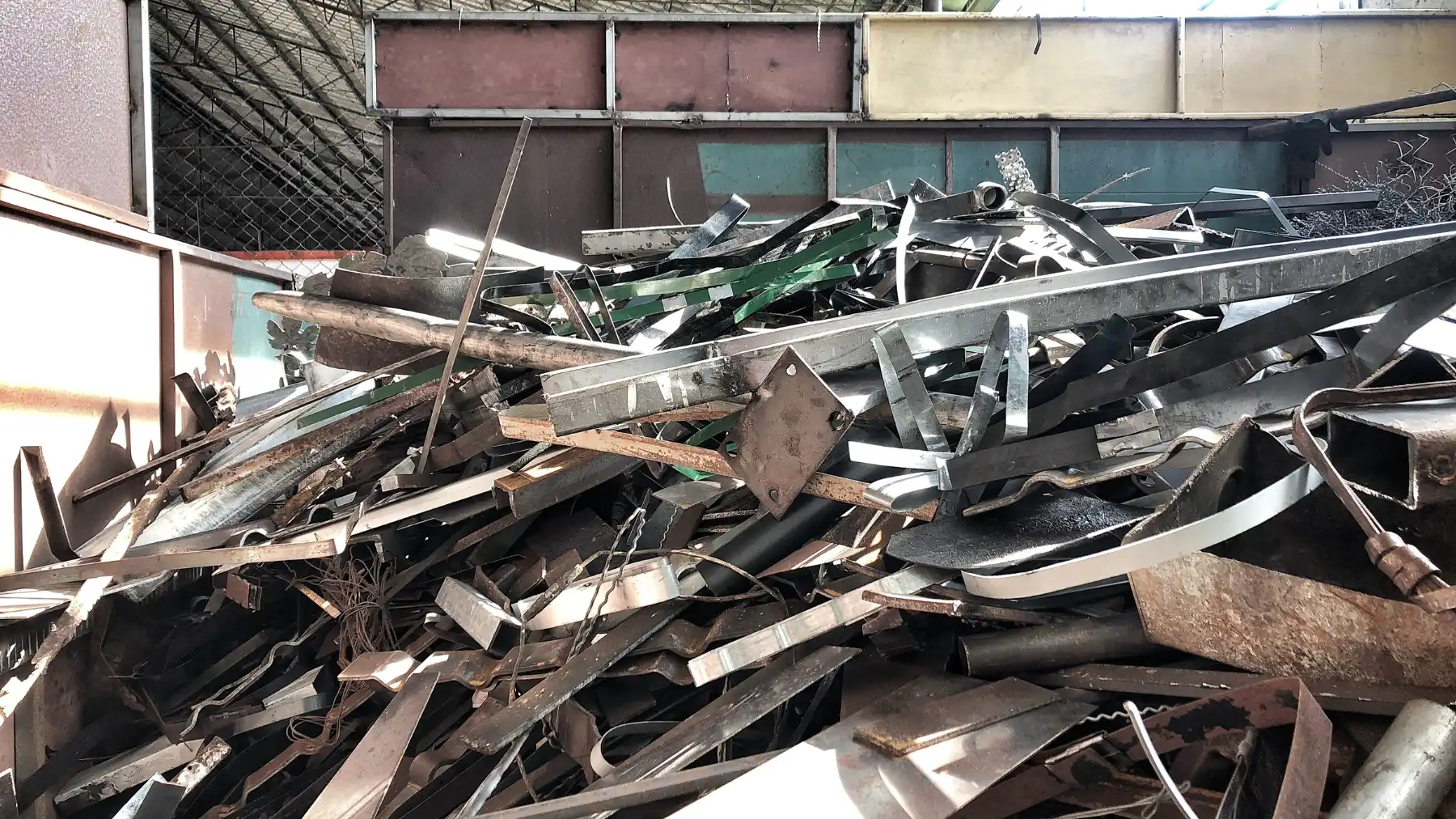
Steel is the highest-volume but lowest-value metal on most HVAC jobs. Equipment cabinets, duct hangers, condenser housings, air handler frames, and old furnace bodies all contribute to the steel scrap stream. It's worth recycling but shouldn't be mixed with non-ferrous metals as that's where value gets lost.
A simple magnet test on the job site is all it takes to separate ferrous from non-ferrous material. Steel sticks; copper, aluminum, and brass don't. Keeping those streams separate costs almost nothing and has a direct impact on what you're paid.
The easiest time to sort scrap is when the material is already in your hands. Dropping copper line sets into a dedicated bin and steel into a separate pile takes no extra time during a changeout. Trying to sort a mixed load at the end of the day or at the yard is slower and less accurate.
Burning insulation off copper wire to recover bare copper is illegal in Colorado and reduces the metal's grade. The same applies to coil units. Burning off aluminum fins doesn't improve the copper value and creates a compliance issue. Bring material as-is and let the recycler handle classification.
Changeouts, equipment removals, and new installs all generate predictable scrap. Building that into your job estimates, even as a rough offset to disposal costs, gives you a more accurate picture of job economics and an incentive to handle material carefully rather than leaving it behind or mixing it in with trash.
HVAC and mechanical contractors are a core part of the commercial accounts Iron & Metals serves across the Denver metro area. Whether you're dropping off a load at the end of the week or need a container on a larger commercial job site, our process is straightforward.
We accept all the materials covered in this guide including copper in all grades, aluminum, brass, copper-aluminum coil units, and steel, and price everything based on current market rates with certified scale weights. Our team grades material accurately, and settlement documentation is provided on every transaction.
If you're running regular volume and want a more efficient setup than individual drop-offs, a container account is worth looking at. Containers are provided at no cost, sized to match your output, and picked up on a schedule that works around your jobs.
The HVAC and mechanical contractors who consistently recover the most scrap value aren't doing anything complicated. They sort as they go, keep non-ferrous metals out of the steel pile, and treat scrap as a line item rather than an afterthought.
If your current recycling process isn't keeping pace with what your crew generates, or you're starting fresh with a commercial account, reach out to Iron & Metals to get set up.