Modular and offsite construction have changed how buildings are designed and delivered. By shifting production into controlled manufacturing environments, companies can improve efficiency, reduce timelines, and maintain consistent quality.
But while offsite manufacturing reduces jobsite waste, it doesn’t eliminate it. In fact, it often concentrates material waste — especially metal — inside fabrication facilities.
That makes metal recycling waste management a critical part of operations for modular builders and offsite manufacturers. With the right systems in place, scrap metal becomes predictable, manageable, and valuable.
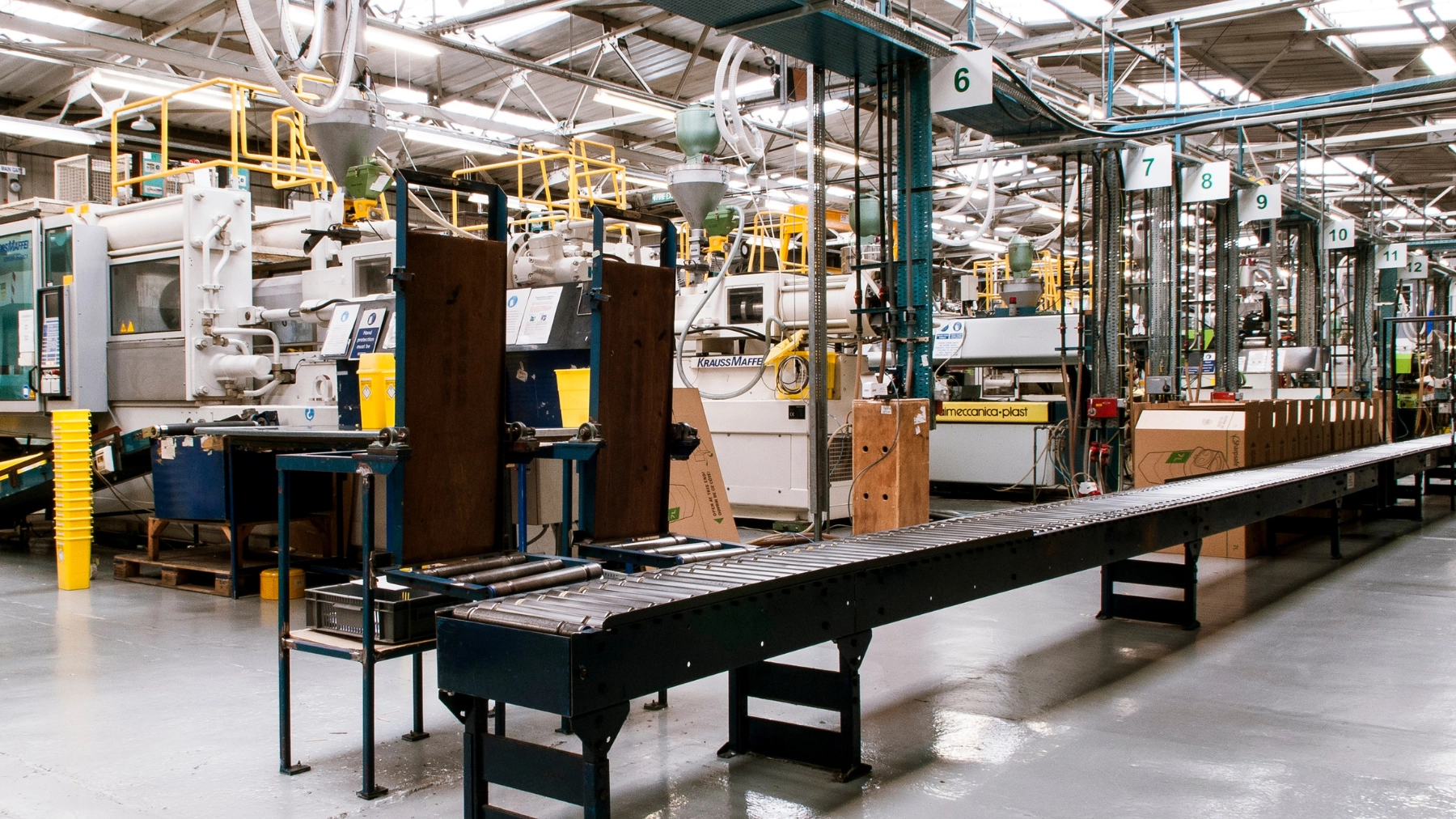
Unlike traditional construction sites, modular facilities operate more like manufacturing plants. Materials are processed in high volumes and repeatable workflows.
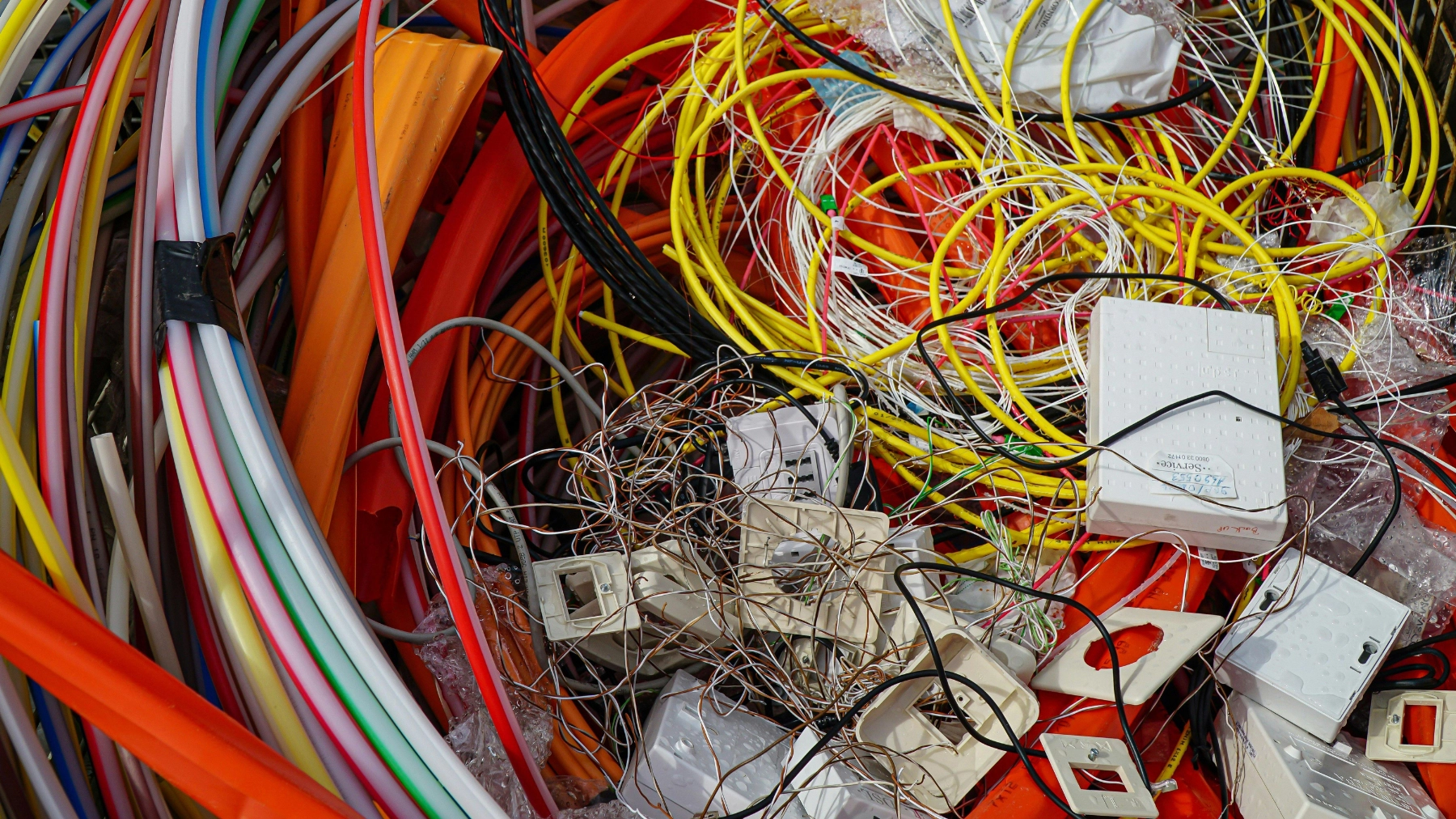
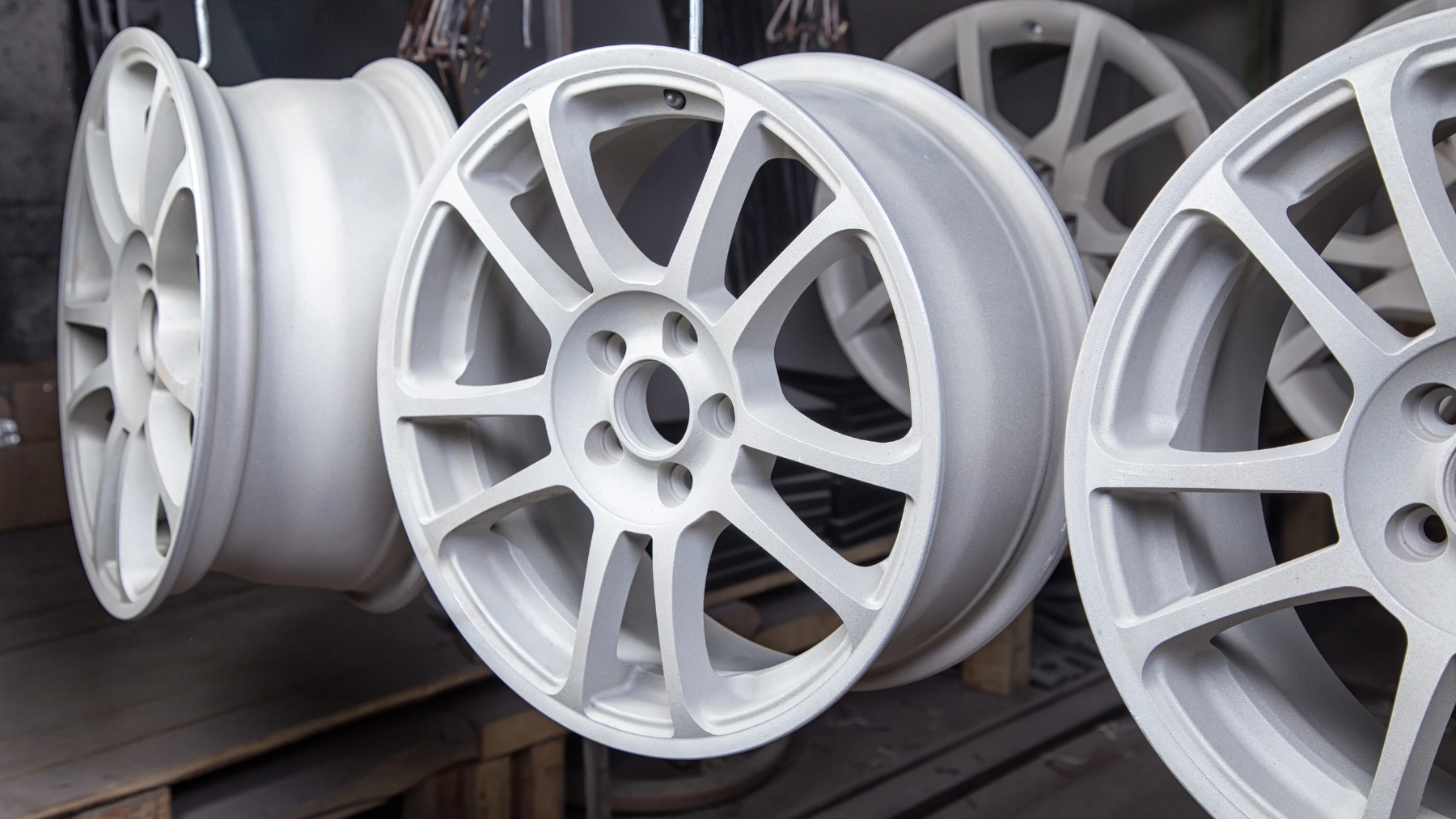
Steel framing, aluminum components, copper wiring, and mechanical systems are cut, shaped, and assembled in controlled environments. That creates consistent scrap streams, including:
Because production is centralized, scrap accumulates quickly but it’s also easier to control when systems are in place.
In modular construction, scrap metal should be treated as a planned output of production, not an afterthought.
When scrap handling is reactive, materials pile up, workflows slow down, and valuable metals get mixed together. This leads to lower recycling returns and unnecessary operational friction.
When scrap is managed intentionally, it becomes part of the production system.
That means building processes that account for:
The goal is consistency — not perfection.
One of the biggest advantages of offsite manufacturing is control over the workspace. That includes how scrap moves through the facility.
Collection points should be located near cutting stations, framing lines, and assembly areas. This allows operators to dispose of scrap immediately without interrupting workflow.
Clear pathways for moving scrap containers prevent congestion and reduce double handling.
For larger facilities, centralized staging areas can be used to consolidate materials before pickup, especially for high-volume metals like steel.
When scrap flow is built into the layout, it supports production instead of competing with it.
Material separation is one of the most important factors in maximizing recycling value.
Even in fast-paced environments, keeping metals separated at the source improves efficiency and pricing.
Key separations to prioritize include:
In modular facilities, where production is repetitive, training teams on simple sorting rules can quickly become second nature.
The result is cleaner loads, faster processing, and stronger returns.
While some contamination is unavoidable, excessive debris can reduce the value of recyclable metal. Scrap should be kept free from non-metal materials such as plastic, packaging, insulation, and general trash whenever possible.
For operations involving cutting fluids or lubricants, allowing scrap to drain before collection can help improve material quality.
The goal isn’t to create extra work, it’s to prevent avoidable contamination that lowers value.
In modular manufacturing, production is continuous. Scrap generation is too.
Waiting until containers overflow can disrupt workflow and create safety issues. On the other hand, removing containers too frequently can increase costs.
The most effective approach is aligning pickup schedules with production volume.
High-output facilities may require regular, scheduled pickups, while smaller operations may benefit from flexible, on-call service.
Consistency is key. Predictable pickup schedules help maintain clean workspaces and prevent bottlenecks.
Modular manufacturers already track production metrics closely. Scrap can be part of that same system.
Tracking scrap volumes by material type provides insight into:
It also creates visibility into the financial value of recycled materials.
Over time, scrap metal recycling becomes not just a waste management function, but a measurable contributor to operational performance.
Modular construction is often positioned as a more sustainable alternative to traditional building methods.
Effective metal recycling strengthens that position.
Recycling reduces landfill use, conserves raw materials, and lowers the environmental impact of production. For companies working toward sustainability benchmarks or certifications, documented recycling efforts provide measurable results.
Metal recycling also supports broader industry goals around resource efficiency and circular manufacturing.
Iron & Metals works with modular builders and offsite manufacturers across Colorado to simplify metal recycling waste management.
We provide:
Our goal is to make scrap handling predictable and efficient so it supports your operation instead of slowing it down.
Modular and offsite manufacturing offer greater control over production — and that includes how scrap metal is managed.
By building recycling into facility layout, separating materials at the source, and aligning pickup schedules with production, manufacturers can turn scrap into a consistent and valuable part of operations.
If you're a modular builder or manufacturer in the Denver area, let Iron and Metals manage your metal recycling with reliable service, clear pricing, and practical solutions.