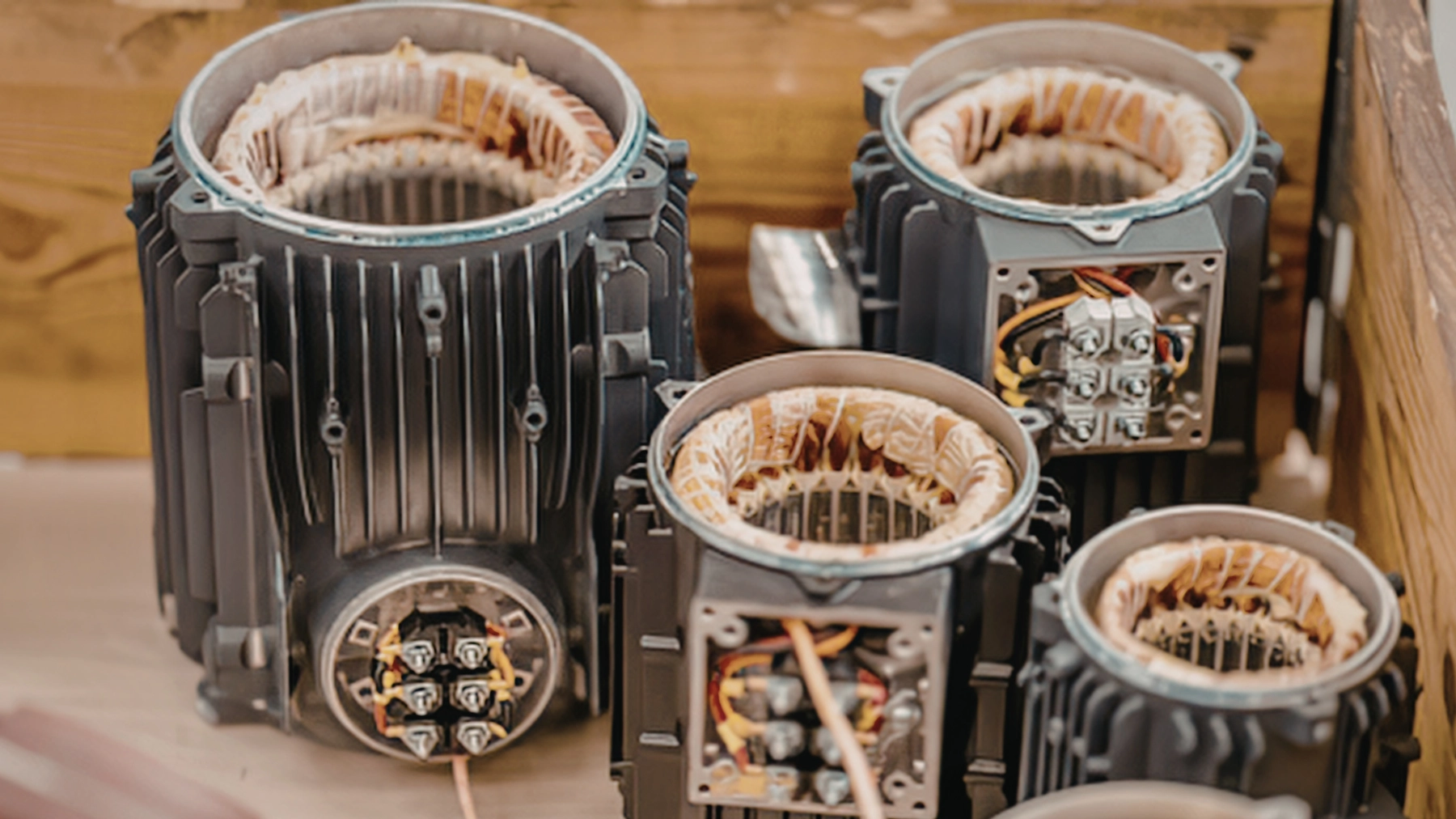
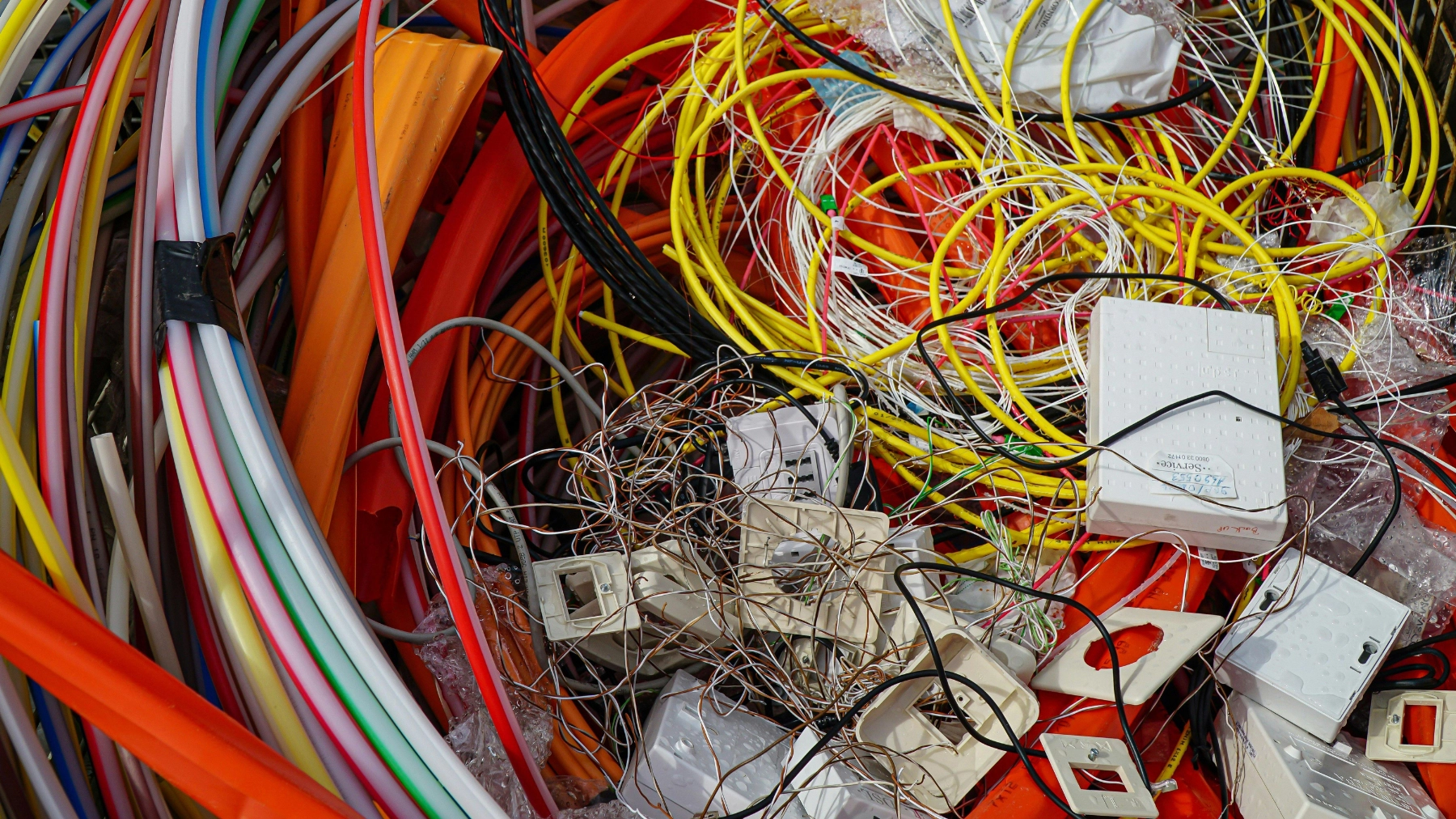
Electric motors are at the heart of countless systems from HVAC units and industrial equipment to pumps, compressors, and shop machinery. For repair shops and service providers, motors are constantly being replaced, rebuilt, or scrapped.
What many shops don’t fully realize is how much value is sitting inside those units. Understanding electric motor scrap value can turn what’s often treated as waste into a consistent and profitable part of daily operations.
With the right handling practices, repair shops can recover more from both copper and steel while keeping their workspace organized and efficient.
Electric motor scrap value comes from the materials inside the unit. Most motors contain a combination of:
Copper is the most valuable component. Depending on the motor type, copper can make up a significant portion of the total value, especially in larger or industrial motors. Steel, while lower in value per pound, often makes up the majority of the motor’s weight. When processed in volume, it still contributes meaningful returns.
The overall value of a motor depends on:
Repair shops see a steady flow of motors that are no longer worth rebuilding.
Typical sources include:
Over time, even smaller motors add up. Shops that consistently collect and recycle them can generate a steady stream of scrap value.
One of the most common questions is whether to recycle motors whole or break them down.
Recycling motors as complete units is the simplest option. It requires minimal labor and allows shops to quickly move material out without slowing down operations.
Breaking motors down to extract copper can increase value, but it also requires time, labor, and proper tools. For many repair shops, the added effort may not justify the return unless they are processing large volumes.
A practical approach is:
Understanding where that balance lies is key to optimizing returns.
Improving electric motor scrap value doesn’t require major operational changes, just consistent habits.
Beyond the direct value of materials, proper motor recycling improves shop operations.
Clearing out scrap motors regularly frees up space, reduces clutter, and improves safety. Heavy motors left on the floor or in work areas can create hazards and slow down workflow. Consistent scrap handling also reduces the time spent moving materials around the shop. Instead of dealing with buildup, teams can maintain a clean, organized workspace.
For many repair shops, these operational benefits are just as important as the scrap value itself.
Electric motor scrap value is tied to the broader metals market.
Copper prices, in particular, can fluctuate based on global demand. Steel pricing also shifts based on supply and industrial activity.
While it’s not necessary to time the market perfectly, being aware of general trends can help shops decide when to accumulate material versus when to recycle.
Working with a recycler that provides transparent, current pricing helps ensure shops receive fair value for their scrap.
Iron & Metals works with repair shops, contractors, and industrial operators across the Denver metro area to make motor recycling simple and efficient.
We provide:
Whether you’re recycling a few motors at a time or managing a steady flow of equipment, our team helps you recover value without disrupting your operation.
Electric motor scrap value is often overlooked, but it represents a consistent opportunity for repair shops to recover material value from everyday work.
By separating motors, handling them efficiently, and working with a trusted recycling partner, shops can turn scrap into a reliable part of their business.
Iron & Metals helps Denver-area repair shops maximize returns from electric motor recycling with transparent pricing and dependable service.
Do you have electric motor scrap lying around the shop? Contact us to schedule a pick up or visit us to drop off your scrap during business hours.