Stainless steel is one of the most valuable and widely used materials in precision sheet metal fabrication. Its durability, corrosion resistance, and clean finish make it ideal for architectural components, food-grade equipment, medical assemblies, industrial applications, and countless custom fabrication projects.
But stainless steel also produces a steady stream of scrap — from laser-cut skeletons and punch slugs to trim pieces, rejected parts, and offcuts. Managing this scrap properly is essential for any fabrication shop looking to reduce waste costs and recover material value.
Stainless steel recycling is one of the fastest, easiest, and most profitable ways fabricators can improve margins while supporting sustainability and cleaner shop floor operations.
This guide breaks down the best practices every precision sheet metal shop should follow to maximize recycling efficiency and scrap value.
Why Stainless Steel Recycling Matters for Fabricators
1. Stainless Steel Is Highly Valuable
Unlike many metals, stainless steel holds strong recycling value, especially 304 and 316 grades commonly used in fabrication. The nickel and chromium content make stainless more valuable than carbon steel, and clean, separated material earns premium pricing.
2. Scrap Quickly Accumulates on the Shop Floor
Fabrication work produces:
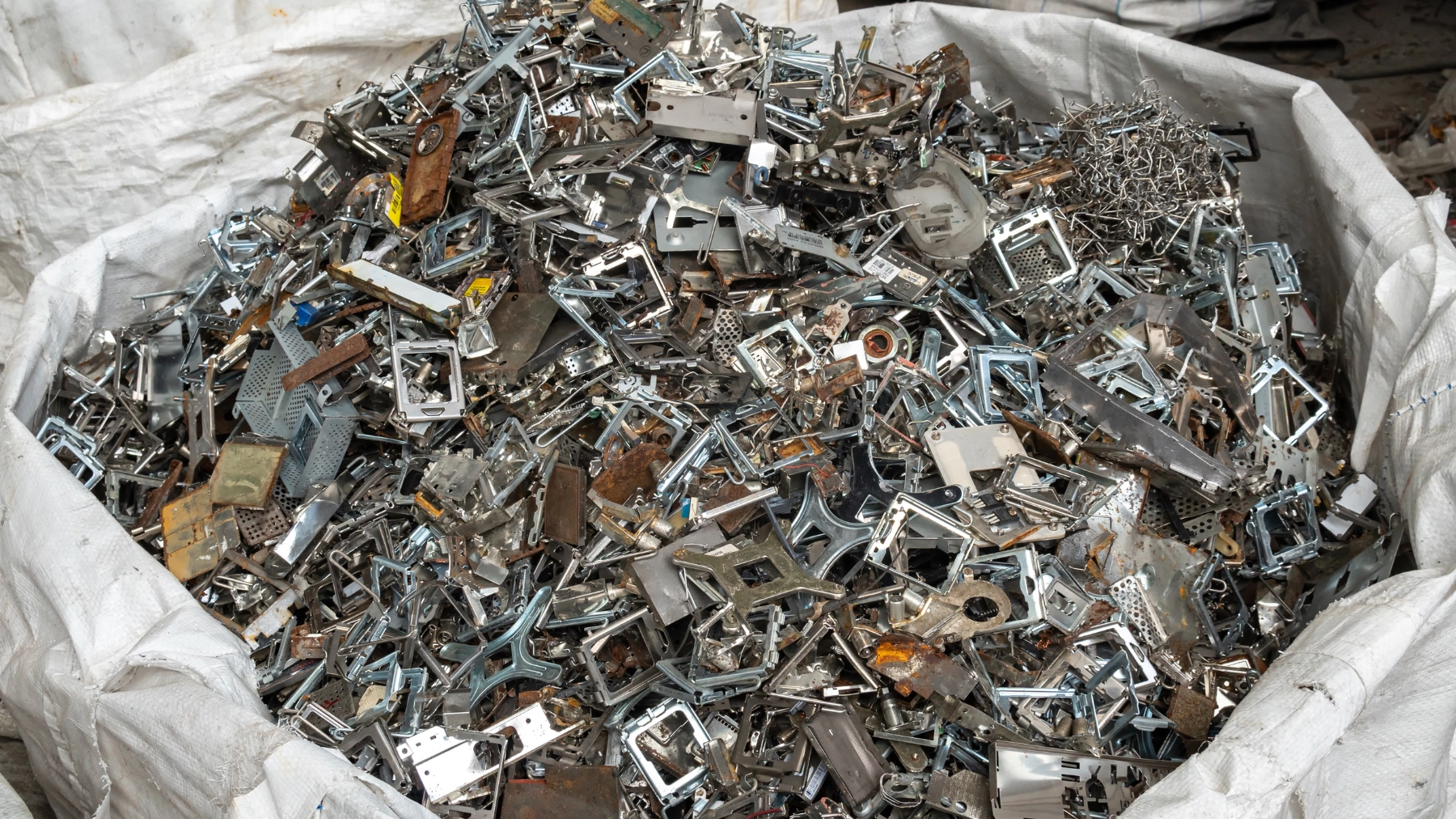
- Laser skeletons
- Punch knockouts and slugs
- Shear drops and saw cutoffs
- Bent or miscut pieces
- Welded rejects
- Component trim and rework waste
Without a recycling process, these materials clutter work areas and consume expensive dumpster space.
3. Recycling Reduces Waste Costs
Stainless is heavy. If tossed into mixed-waste bins, disposal fees rise quickly. Recycling diverts it from landfills and replaces disposal costs with scrap revenue.
4. Clients Expect Sustainable Practices
Architectural, industrial, medical, and OEM customers increasingly prefer vendors who can demonstrate responsible waste management. Stainless steel recycling supports your sustainability commitments with measurable results.
Understanding Stainless Steel Grades and Scrap Value
Precision fabricators commonly work with:
- 304 Stainless Steel: Most widely used grade; excellent corrosion resistance. Strong, consistent scrap value.
- 316 Stainless Steel: Contains molybdenum for enhanced corrosion resistance. Typically commands higher scrap pricing.
- 409 / 430 Stainless Steel (Ferritic Grades): More common in automotive and industrial uses. Lower nickel content means lower scrap value than 304/316, but still recyclable and worth collecting.
Mixed Stainless vs. Sorted Stainless
Sorted stainless gets the best pricing. Mixed stainless is still accepted, but the payout is based on lower grades. To maximize value when recycling, try to keep 304 and 316 separate from lower-grade stainless. Avoid mixing stainless with carbon steel and remove excessive contamination when possible.
How Stainless Steel Recycling Works for Fabrication Shops
Recycling stainless steel is straightforward when built into daily workflow.
- Collect Scrap at the Source: Place dedicated stainless scrap bins near laser tables, press brakes, CNC punch presses, saw stations, assembly areas, and welding booths. Proximity reduces scrap handling time and keeps operations organized.
- Separate Stainless From Carbon Steel: Magnets help quickly distinguish stainless from carbon steel as 304/316 austenitic stainless is not magnetic; ferritic grades may be slightly magnetic. Keeping stainless clean and sorted increases payout significantly.
- Keep Scrap Clean: Avoid contamination with oils (wipe excess coolant when possible), plastic film (remove if feasible), wood, fasteners, or packaging, and welding consumables. Clean stainless scrap receives the best pricing.
- Schedule Regular Pickup or Drop-Off: Iron & Metals offers roll-off containers for high-volume shops and smaller scrap bins for laser and punch operations. Our facility can provide fast turnaround times and reliable service, along with transparent, market-driven pricing. This keeps your facility clean and prevents scrap overflow.
- Track and Document Scrap Output: Monitoring stainless disposal helps fabrication shops identify efficiency improvements, reduce material waste, forecast scrap revenue, and provide sustainability reporting to clients.
Tips to Maximize Scrap Value in Precision Fabrication Settings
- Keep Stainless Separate From Aluminum & Steel: Cross-contamination reduces pricing for all mixed metals. Dedicated bins are essential.
- Minimize Plastic Film Waste: Laser-cut parts often have protective film but excessive film reduces metal purity. Removing heavy film before scrap collection improves grading.
- Sort Based on Thickness When Possible: Thicker stainless steel yields higher weight and better recovery value, and some recyclers may offer adjusted pricing for consistent material thickness.
- Avoid Cutting Scrap Into Small Pieces: Large, flat skeletons are easier to process than shredded or tiny fragments. Keep in mind, though, punch slugs and skeletons are unavoidable and still recyclable.
- Communicate With Your Recycler: Iron & Metals works directly with fabricators to adjust bin sizes based on needs, schedule pickups around production cycles, provide recommendations for scrap handling, and offer clarity on pricing expectations. Long-term relationships result in smoother operations and better payouts.
Why Fabricators Choose Iron & Metals Inc for Stainless Steel Recycling
For over 60 years, Iron & Metals has supported Colorado’s manufacturing and fabrication community with reliable metal recycling services.
Fabricators rely on Iron & Metals for:
- Roll-off containers and shop-floor bins
- Competitive, transparent pricing
- Accurate grading with certified scales
- Fast, flexible pickup
- Documentation for sustainability reporting
- Local service and industry expertise
Whether your shop generates light stainless scrap or multiple tons per month, Iron & Metals makes recycling simple, efficient, and profitable.
Conclusion
Stainless steel recycling isn’t just a sustainability effort — it’s a smart business move for precision sheet metal fabricators. With better scrap sorting, cleaner workflows, and a trusted recycling partner, manufacturers can significantly reduce waste costs and turn stainless scrap into meaningful revenue.
Iron & Metals Inc provides Colorado fabricators with the dependable pickup, fair pricing, and hands-on support they need to run efficient, responsible recycling programs.
Contact our team to learn more today!