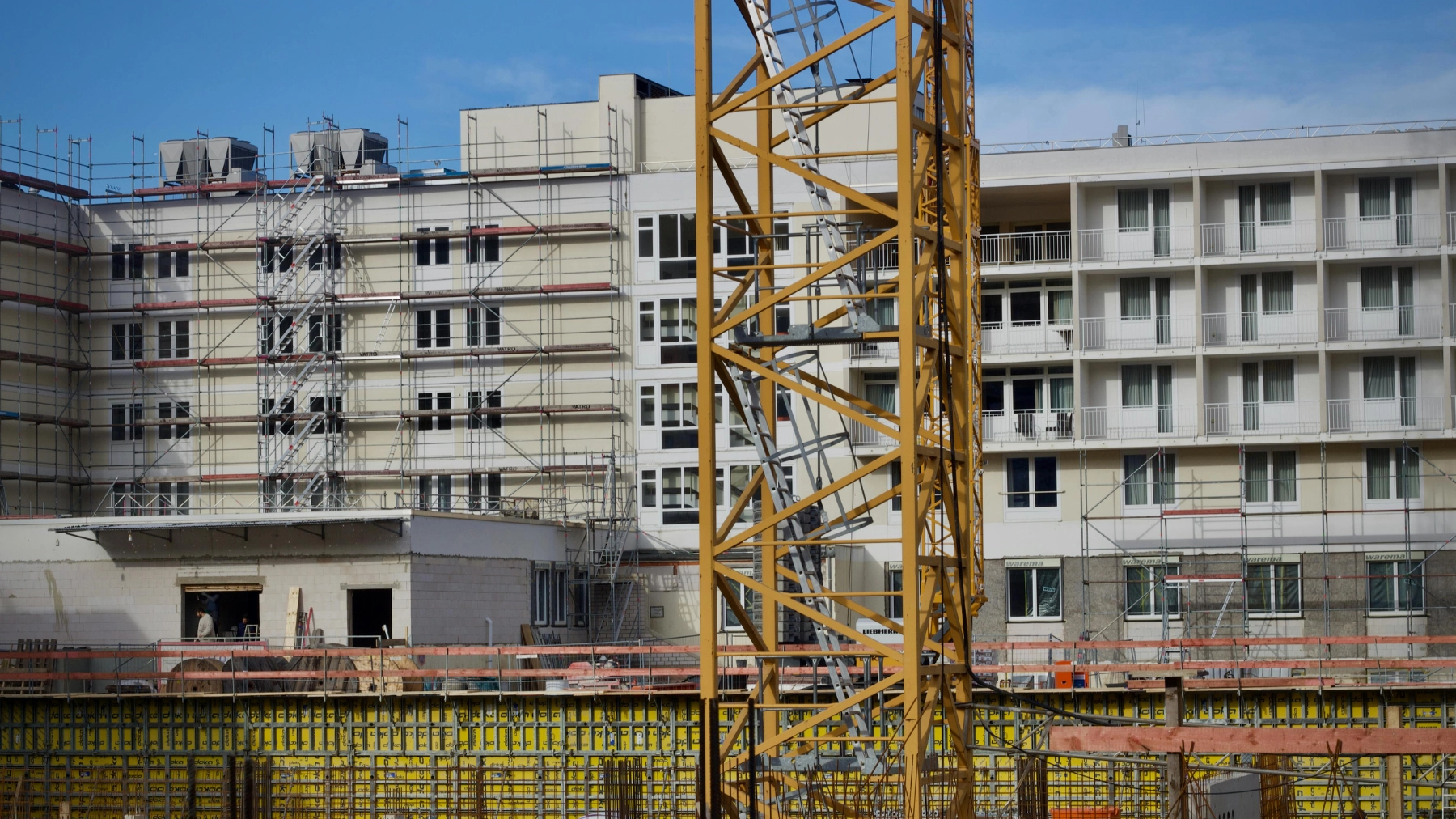
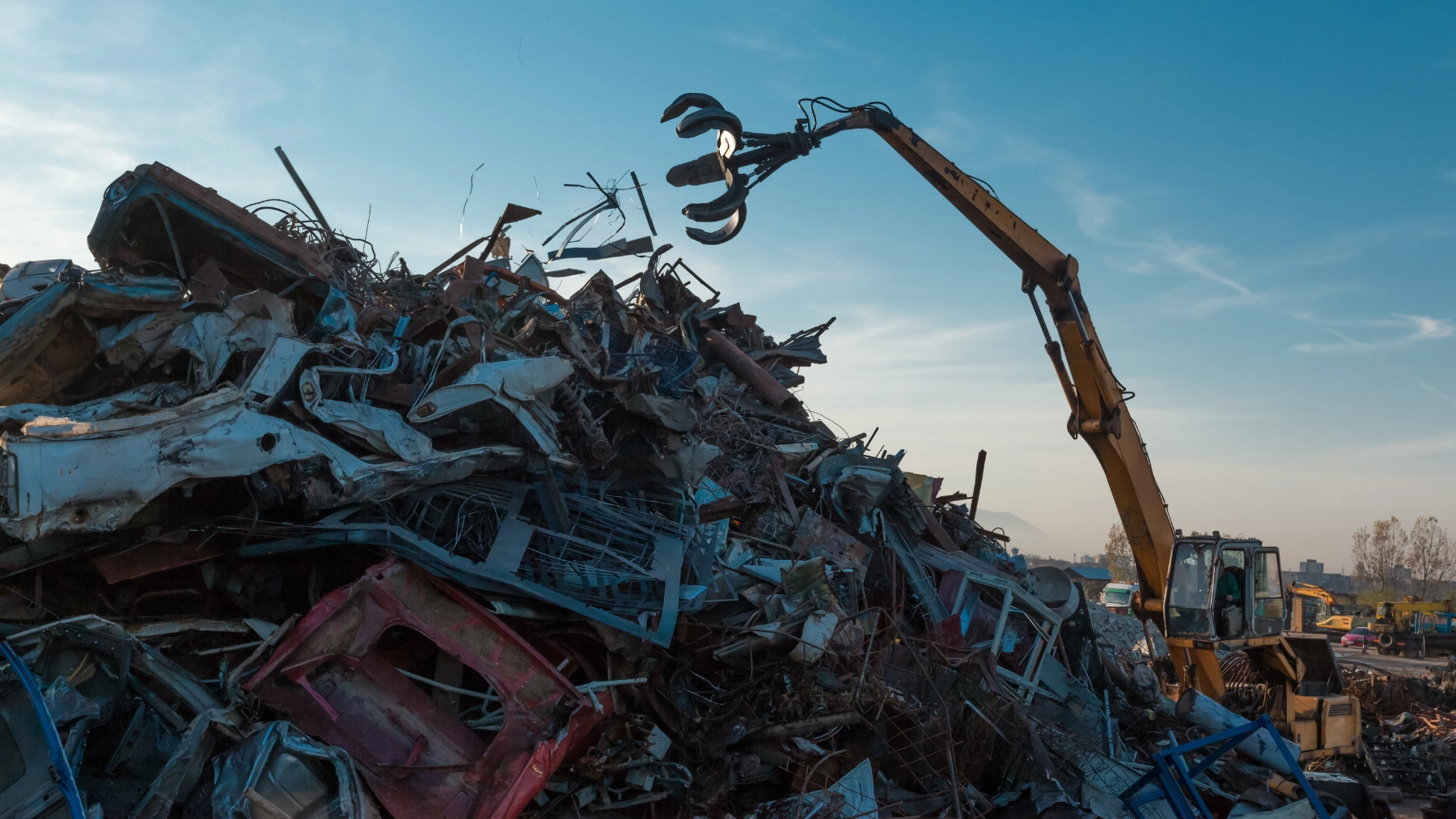
Construction projects move fast. Between demolition, framing, mechanical installation, and system upgrades, metal waste accumulates quickly and often in large, heavy, and potentially hazardous quantities. Managing that scrap efficiently is critical to maintaining safety, workflow, and profitability.
Effective scrap metal removal isn’t just about clearing debris. On active jobsites, it directly affects project timelines, labor efficiency, compliance, and overall site organization. The right removal strategy ensures crews can keep building without being slowed down by piles of steel, copper, aluminum, or mechanical components.
Here’s what works best for contractors managing active construction environments.
Construction sites generate scrap at nearly every stage of a project. Steel beams from demolition, rebar cutoffs, copper wiring, aluminum ductwork, HVAC units, conduit, and structural framing all become waste that must be managed properly.
When scrap metal isn’t removed consistently:
Organized scrap metal removal prevents these issues and allows projects to stay on schedule.
On active jobsites, removal must be predictable, scalable, and safe. The most effective programs share a few common traits.
Separating metal from general construction debris is the foundation of effective scrap metal removal. Mixed waste dumpsters quickly fill with heavy steel and aluminum, increasing disposal costs and reducing recycling value.
Dedicated roll-off containers placed near high-activity zones — such as demolition areas or mechanical installation zones — allow crews to deposit scrap immediately as they work. This keeps material contained and prevents clutter.
Iron & Metals provides roll-off containers sized specifically for construction-scale projects, making it easier to manage both small renovations and full structural tear-downs.
Active jobsites can’t afford delays caused by full containers. Reliable pickup service ensures scrap is removed before it becomes a problem.
For large projects, scheduled container swaps work best. For smaller or phased jobs, on-demand pickup allows flexibility based on material accumulation. Coordinating scrap metal removal with project milestones keeps the site organized and predictable.
Construction scrap is often large and dense. Structural steel, rebar bundles, and mechanical units require proper equipment for loading and removal. Safe scrap handling reduces injury risk and supports OSHA compliance.
Working with a recycler experienced in construction environments ensures that containers are placed correctly, pickups are timed appropriately, and materials are transported safely.
Nearly every type of construction project produces recyclable metal.
Demolition and structural tear-downs generate steel beams, decking, and rebar. Mechanical and HVAC installation produces sheet metal, ductwork, compressors, and rooftop units. Electrical crews remove copper wiring, conduit, and aluminum components during upgrades. Plumbing work produces copper pipe, brass fittings, and cast-iron sections.
When these materials are separated early and removed consistently, contractors avoid unnecessary disposal costs while capturing recycling value.
Scrap metal removal supports project budgets in several ways.
First, it reduces landfill fees. Metal is heavy, and mixed waste is typically priced by weight. Diverting metal from general debris lowers disposal charges.
Second, recycled metal generates revenue. Copper, aluminum, brass, stainless steel, and even structural steel all hold value. Clean, separated scrap often offsets container costs and contributes directly to project margins.
Third, organized removal improves labor efficiency. Crews spend less time clearing pathways or reorganizing scrap piles and more time completing productive work.
Not all waste haulers specialize in metal recycling. Construction teams benefit most from working with a recycler that understands jobsite demands.
Iron & Metals supports Colorado construction projects with:
By focusing specifically on recyclable metals, Iron & Metals helps contractors maximize returns while keeping jobsites safe and efficient.
The most successful scrap metal removal strategies are proactive rather than reactive. Planning for scrap collection before demolition or installation begins prevents congestion later. Keeping containers accessible but safely positioned improves workflow. Coordinating removal with key project phases avoids bottlenecks.
When scrap metal removal is integrated into the overall construction plan, projects move faster, crews operate more safely, and budgets stay under control.
Scrap metal removal plays a critical role in modern construction management. On active jobsites, consistent and organized removal keeps projects running smoothly, reduces safety risks, and turns waste into measurable value.
Iron & Metals provides reliable scrap metal removal services tailored to Colorado construction projects — delivering the containers, pickup schedules, and transparent pricing contractors need to stay on track.
Contact our team to learn more today!