Original Equipment Manufacturers (OEMs) produce everything from industrial machinery and electronic components to automotive parts and consumer products. Inevitably, these items reach the end of their life — whether through wear, damage, redesign, or technological upgrades.
OEM recycling is the process of recovering, dismantling, and recycling components, metals, and materials from original equipment. It helps manufacturers cut costs, reduce waste, and meet growing sustainability expectations. For consumers, OEM recycling supports proper disposal of branded products and ensures materials are safely and responsibly reclaimed.
At Iron & Metals, we help OEMs and manufacturers capture value from scrap metals, rejected parts, prototypes, and end-of-life components while ensuring compliant, documented disposal.
What Is OEM Recycling?
OEM recycling involves recovering metals and materials from products or components originally produced by a manufacturer. These materials can come from:
- Production scrap
- Defective or rejected parts
- Prototype components
- End-of-life equipment returned by customers
- Warranty or recall items
- Decommissioned machinery
The goal is to safely reclaim metals such as steel, aluminum, copper, brass, and stainless steel, returning them to the manufacturing cycle instead of sending them to landfills.
OEM recycling not only reduces waste — it creates new revenue streams from materials already leaving the facility.
Examples of OEM Recycling for Manufacturers
Manufacturers across many sectors generate recyclable OEM materials:
1. Automotive and Transportation OEMs
- Steel and aluminum body panels
- Engine components
- Brake assemblies
- Wiring harnesses
- Structural metal parts
2. Industrial and Machinery OEMs
- CNC offcuts and defective parts
- Metal housings
- Gears, shafts, and castings
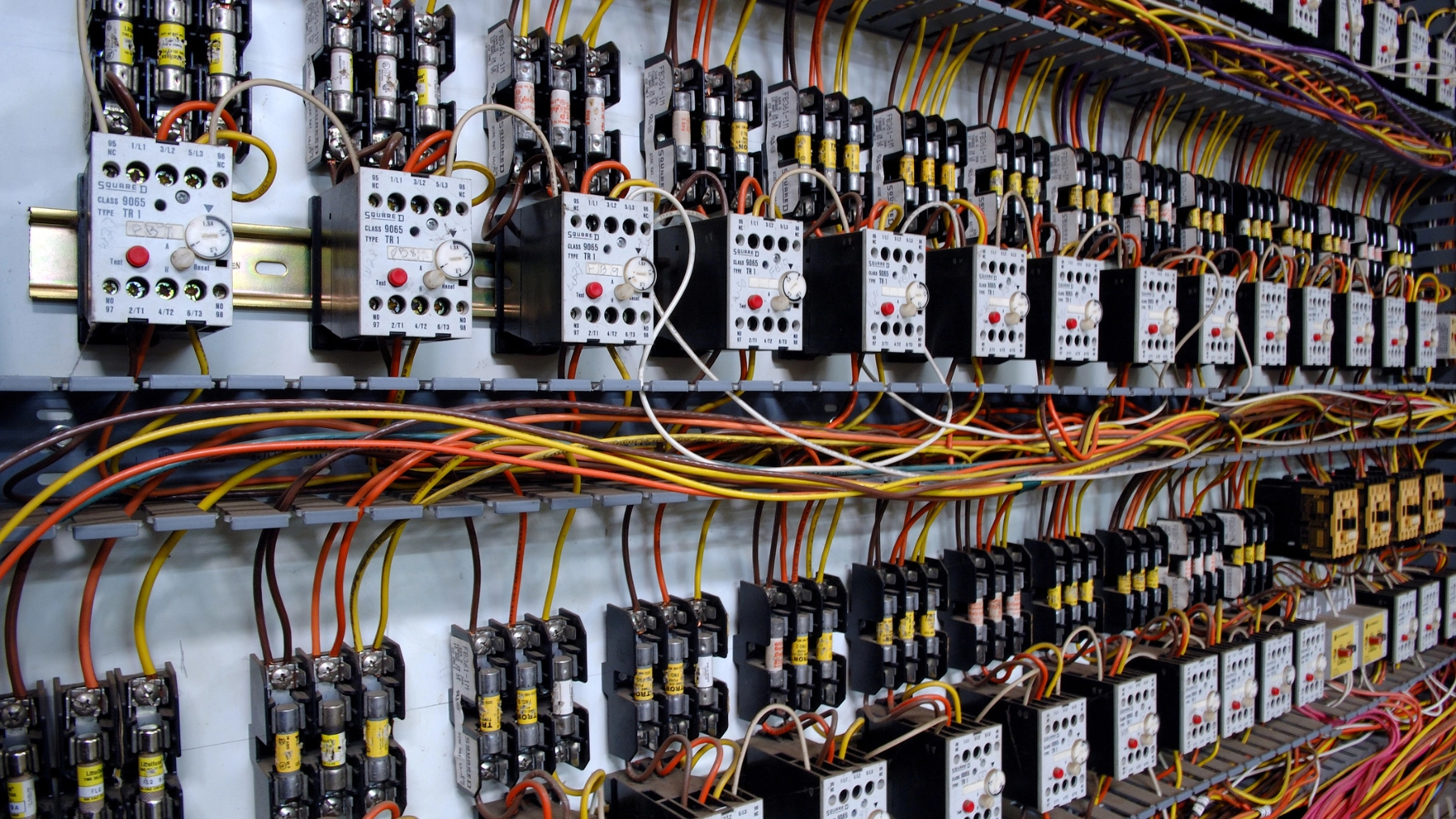
- Electrical cabinets
- Motors and copper-bearing components
3. Electronics and Technology OEMs
Examples include:
- Housings made from aluminum or steel
- Power supply components
- Coils, heat sinks, and wiring
Note: Iron & Metals does not recycle screens or lithium batteries, but metal-bearing parts still qualify.
4. Consumer Goods OEMs
- Appliances without screens
- Home hardware products
- Metal fixtures and assemblies
Nearly every OEM operation produces recyclable metals often in higher volumes than they realize.
Examples of OEM Recycling for Consumers
Consumers often encounter OEM recycling through take-back programs or drop-off locations. Examples include:
- Returning old appliances for recycling
- Turning in outdated tools or equipment
- Dropping off copper wiring, metal parts, or non-electronic machinery
- Recycling metal products when upgrading household systems (HVAC, plumbing, etc.)
When consumers recycle OEM products through a trusted metal recycler, valuable metals remain in circulation and harmful materials avoid landfills.
What OEM Remanufacturing Means (and How It Differs From Recycling)
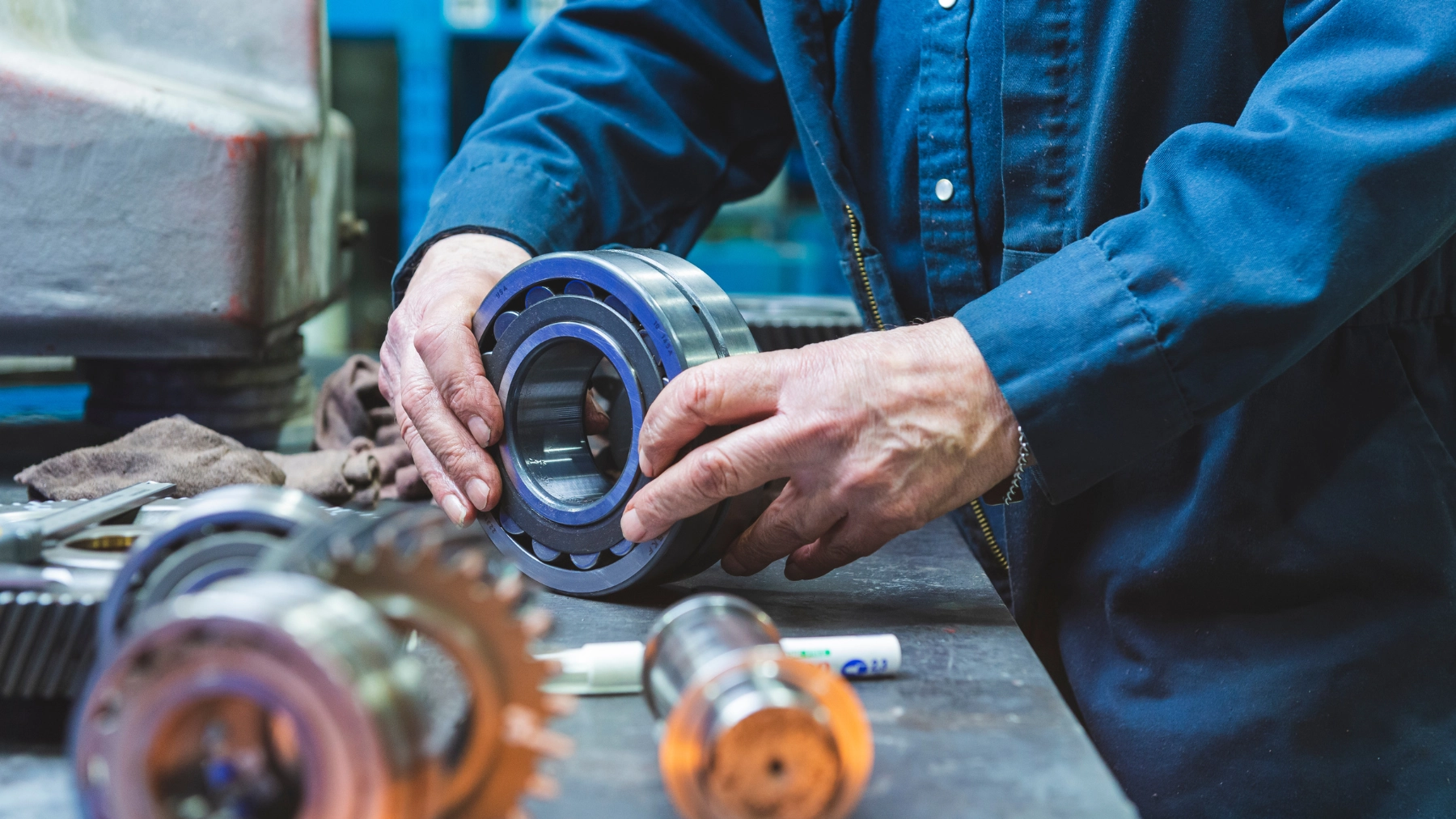
OEM remanufacturing is the process of refurbishing used or worn components so they meet the same specifications as new parts. Unlike recycling — which breaks materials down — remanufacturing extends product life.
Remanufacturing typically includes:
- Inspecting and disassembling returned equipment
- Replacing worn or damaged parts
- Rebuilding assemblies using original OEM specs
- Testing and certifying components before resale
Common examples:
- Automotive engines and transmissions
- Industrial pumps and motors
- HVAC compressors
- Precision machining components
- Heavy equipment parts
Remanufacturing supports sustainability by reducing material use and energy consumption. But even with robust reman programs, OEMs still generate scrap that must be recycled, especially when parts are beyond repair, obsolete, or replaced through recalls.
That’s where a metal recycler like Iron & Metals becomes essential.
Why OEM Recycling Matters for Manufacturers
- Lower Waste Disposal Costs: Metal-heavy manufacturing waste is expensive to landfill. Recycling reduces disposal volume and cost.
- Recovering Revenue from Scrap Metal: Copper, steel, aluminum, brass, and stainless steel all have strong scrap value. Clean, sorted OEM scrap adds up to measurable returns.
- Meeting Sustainability and ESG Goals: Recycling supports waste diversion targets and reduces the environmental footprint of manufacturing operations.
- Compliant and Secure Material Disposal: Some OEM components must be destroyed or disposed of according to strict specifications. Iron & Metals provides documented destruction, weight tickets, and compliance reporting.
- Improved Facility Efficiency: A structured recycling program reduces clutter, improves workflow, and creates safer production environments.
Best Practices for OEM Recycling Programs
To maximize the value of OEM scrap:
- Sort Metals by Type: Separate aluminum, steel, copper, and brass. Mixed metals are accepted but pay less.
- Keep Scrap Clean: Avoid contamination with plastics, oils (if possible), packaging materials, and electronics with screens. Cleaner metal means higher payout.
- Use Dedicated Collection Bins: Place bins near CNC stations, assembly teardown line, and maintenance areas
- Schedule Regular Pickups: Iron & Metals provides flexible pickup for busy manufacturing environments.
- Track Scrap Volume and Value: This helps OEMs monitor efficiency, sustainability benefits, and ROI.
How Iron & Metals Supports OEM Recycling
For more than 60 years, Iron & Metals has partnered with manufacturers across Colorado to manage OEM scrap efficiently.
We provide:
- Roll-off containers for high-volume scrap
- Bins for CNC chips and precision scrap
- Transparent, market-based pricing
- Fast pickup and reliable service
- Accurate grading and certified scale weights
- Documentation for compliance, sustainability, and remanufacturing programs
From small fabrication plants to large OEM production lines, we help manufacturers turn metal waste into measurable savings.
Conclusion
OEM recycling and remanufacturing play a crucial role in modern manufacturing. By recovering valuable metals, reducing waste, improving compliance, and supporting sustainability, OEMs can increase profitability while reducing their environmental footprint.
Iron & Metals makes this process simple, efficient, and financially rewarding for Colorado manufacturers and consumers alike.
Call (303) 292-5555 for up-to-the-minute pricing and receive top prices for your scrap metal!