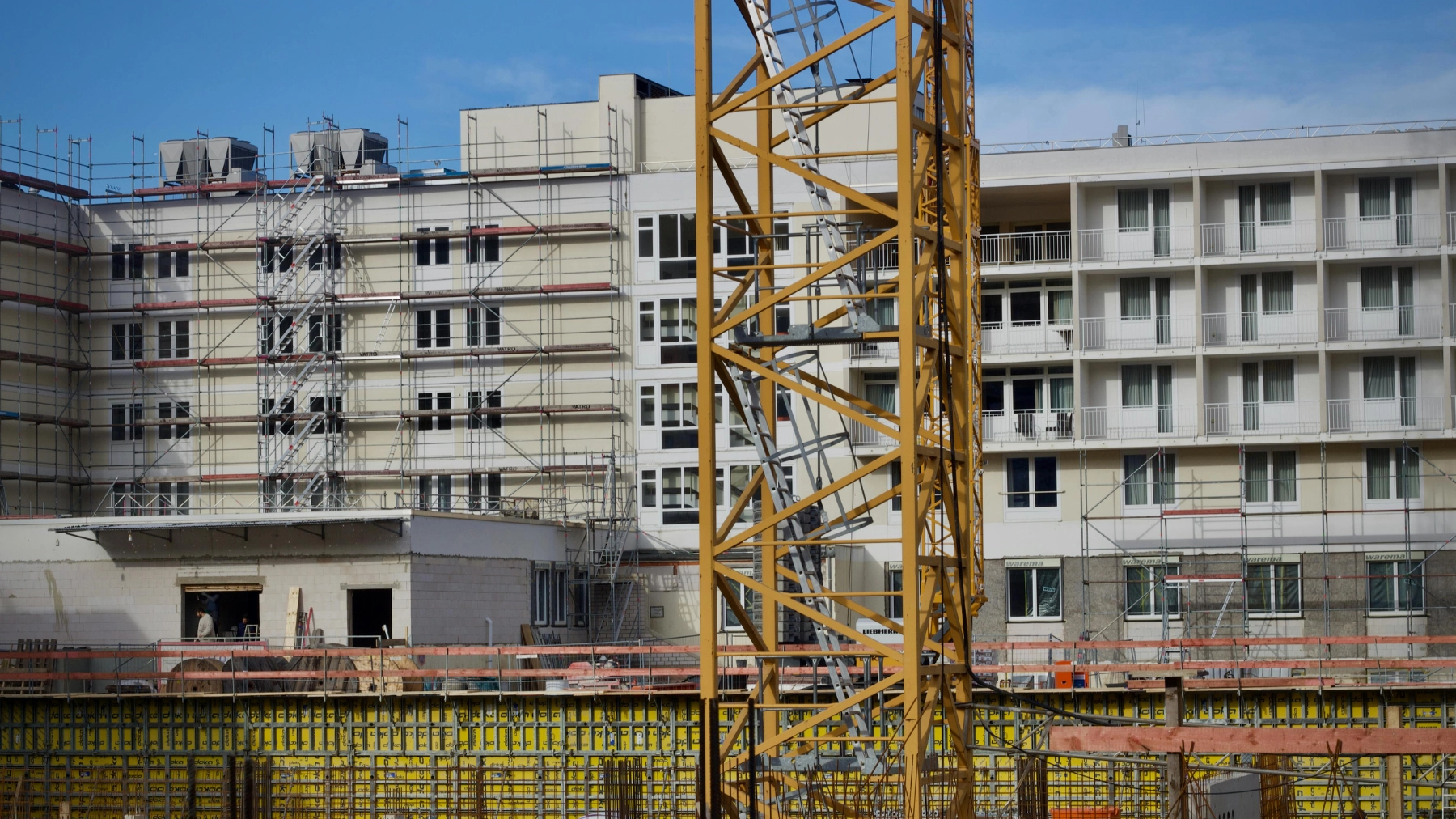
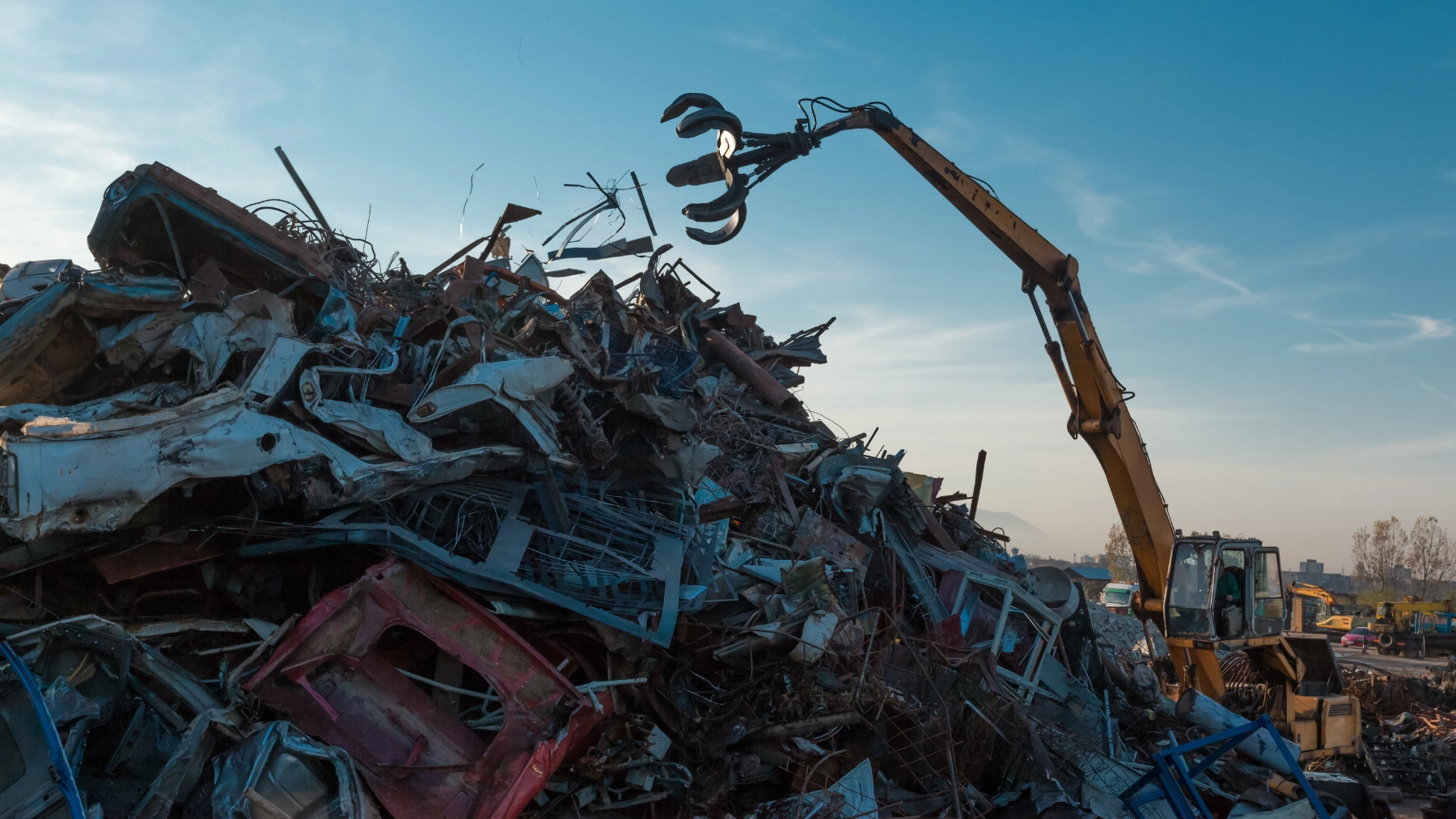
Municipal and utility infrastructure projects generate significant volumes of material waste — especially metal. From water main replacements and bridge repairs to substation upgrades and streetlight modernization, heavy metal components are a constant part of public works operations.
For municipal leaders and project administrators, managing metal waste isn’t just about cleanup. It directly impacts compliance, reporting, project budgets, sustainability targets, and public accountability. A well-planned metal waste diversion strategy ensures projects stay aligned with environmental requirements while reducing disposal costs and capturing recycling value.
Here’s what municipal and utility teams need to know.
Public infrastructure work is subject to stricter oversight than private development. Waste diversion programs must support environmental compliance and local sustainability mandates, waste reduction goals, ESG reporting, transparent documentation, and responsible use of taxpayer funds.
When metal waste is separated and recycled properly, municipalities can demonstrate measurable diversion rates while reducing landfill reliance.
Understanding where waste originates is the first step toward effective diversion.
Each of these materials represents recoverable value when diverted through proper recycling channels.
Municipal success depends on structured, documented processes. The following strategies help ensure compliance and operational efficiency.
Separating waste from mixed debris prevents contamination and improves recycling rates. Roll-off containers designated specifically for scrap metal keep materials organized and reduce sorting delays.
Iron & Metals provides container delivery tailored to the scale of municipal projects, from localized street work to multi-site infrastructure upgrades.
Metal diversion should be included in bid specifications, contractor requirements, waste management plans, and sustainability objectives. Clear expectations in project documentation ensure contractors understand recycling obligations before work begins.
Accurate reporting is essential for compliance and transparency. Professional recyclers provide:
This data supports regulatory reporting and strengthens sustainability performance metrics.
Metal is heavy. When mixed with general waste, disposal costs rise quickly due to weight-based landfill fees.
By diverting metal waste:
For large municipal projects, these savings can be substantial.
Heavy metal waste requires proper equipment and safety protocols. Working with an experienced recycling partner ensures safe container placement, timely pickups and swaps, secure trasportation, and OSHA-conscious handling practices.
This minimizes disruption to public operations and project schedules.
For more than 60 years, Iron & Metals has partnered with Colorado’s municipalities and infrastructure teams to manage metal waste responsibly and efficiently.
We provide:
Whether managing a multi-year capital improvement project or a short-term streetlight replacement initiative, we help municipal leaders ensure responsible metal waste diversion from start to finish.
Recycling metal waste supports municipal sustainability targets without adding administrative burden. By integrating recycling into project workflows and partnering with a trusted local recycler, public agencies can:
Effective metal waste management is both an environmental responsibility and a financial opportunity.
Metal waste diversion plays a critical role in modern municipal and utility project management. From infrastructure replacement to facility renovation, structured recycling strategies ensure compliance, cost control, and measurable sustainability performance.
Iron & Metals helps Colorado’s public agencies manage metal waste safely, transparently, and efficiently — delivering the documentation and service reliability that municipal leaders require.
Contact us before your next project starts to implement successful metal waste diversion strategies.