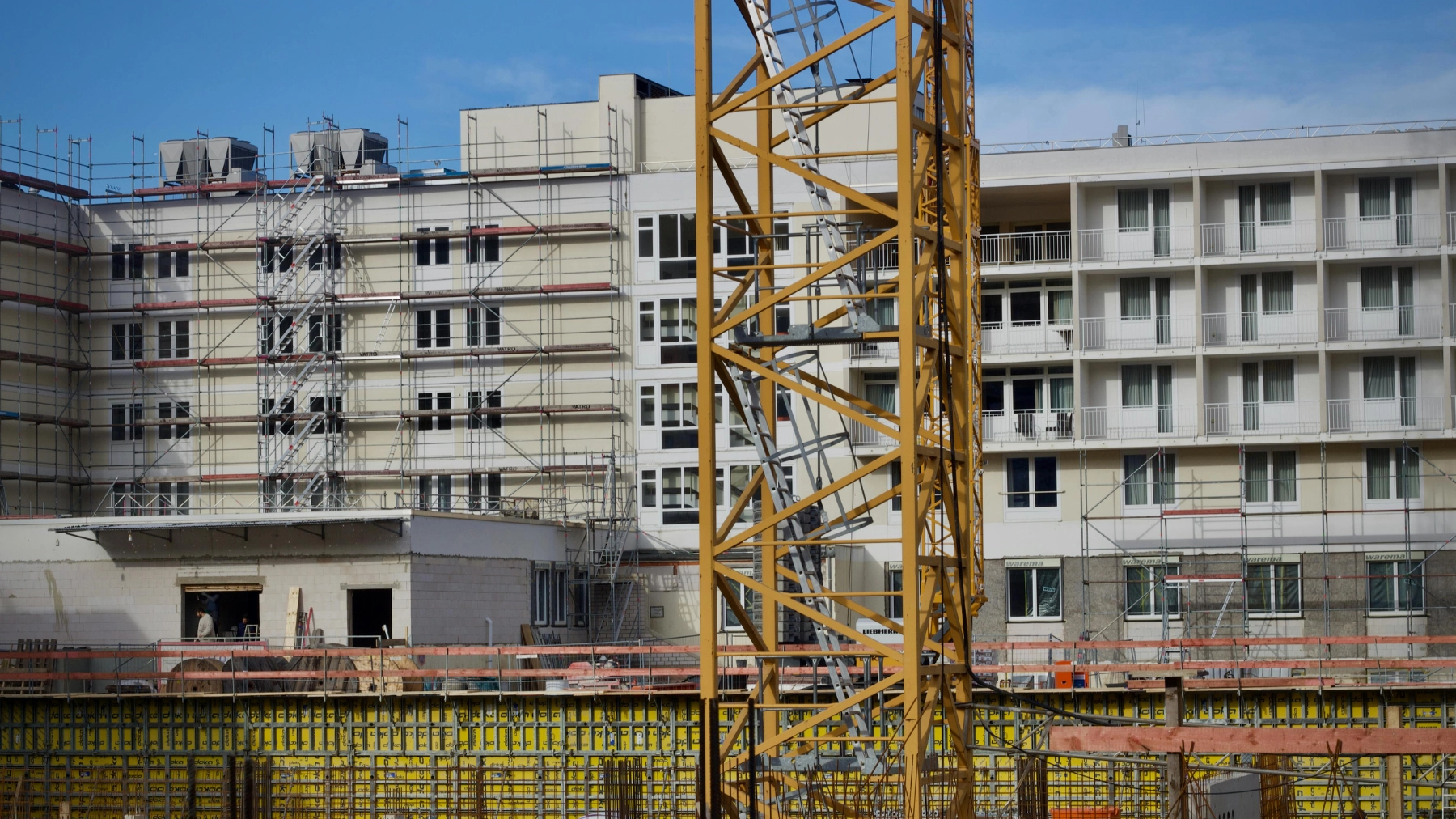
Demolition projects are unpredictable by nature. Hidden structural elements, outdated materials, and fluctuating commodity prices all impact budgets. But one of the most overlooked drivers of cost overruns isn’t structural at all. It’s poor construction waste management.
When scrap metal is treated as debris instead of a recoverable asset, projects often face higher disposal costs, jobsite congestion, and missed revenue opportunities. Smart scrap planning, built into a construction waste management strategy from the start, can prevent delays and protect margins.
For project managers, estimators, and demolition contractors, the difference between a tight budget and an overrun often comes down to how metal waste is handled.
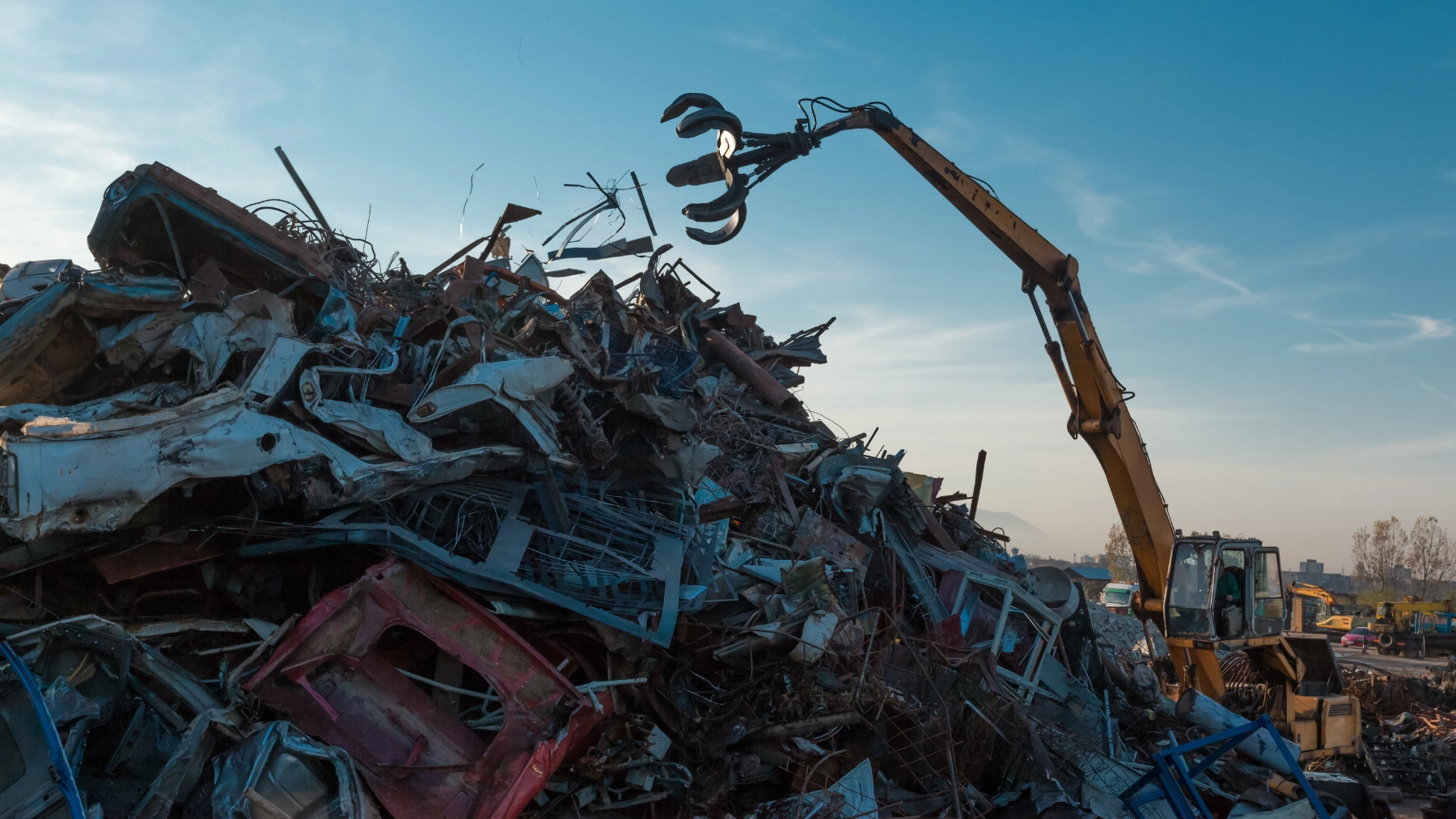
Demolition projects generate significant volumes of recyclable metal, including:
Without a structured waste plan, these materials are frequently mixed into general debris containers. That increases landfill tonnage, raises hauling costs, and eliminates the chance to recover scrap value.
Effective construction waste management ensures metal is identified, separated, and removed efficiently before it becomes a budget problem.
In demolition environments, waste-related overruns usually stem from three issues:
By treating scrap metal as a controlled waste stream instead of incidental debris, project teams gain more control over expenses.
Strong construction waste management begins during project planning — not after demolition starts.
Before work begins, evaluate the structure for recoverable metals. This includes:
Estimating metal volumes helps determine container needs and forecast potential recycling returns.
Metal recycling should be written into project scopes and subcontractor expectations. Clear direction reduces confusion onsite and ensures materials are separated correctly.
When diversion is part of the contract language, crews treat scrap metal as an asset rather than waste.
Demolition sites are active, high-risk environments. Piles of unmanaged metal create safety hazards and workflow disruptions.
Strategic scrap handling improves site performance by:
Scheduled scrap removal aligned with demolition phases prevents bottlenecks. When containers are swapped proactively instead of reactively, projects stay on schedule.
Metal recycling isn’t just about sustainability — it directly affects project finances.
Copper, aluminum, stainless steel, and structural steel all carry market value. When separated and recycled properly, these materials can offset:
For larger demolition projects, scrap revenue can meaningfully reduce net waste management costs.
While scrap prices fluctuate, consistent recovery and clean separation maximize payout potential.
Effective construction waste management requires more than just containers. It requires coordination, experience, and transparency.
Iron & Metals supports demolition teams by providing:
By working with a recycler who understands demolition logistics, project managers reduce risk and gain predictable waste handling support.
Too often, waste management is treated as a secondary concern in demolition planning. In reality, it should be viewed as a strategic component of cost control.
When scrap planning is proactive:
Demolition projects will always carry uncertainty — but construction waste management doesn’t have to.
Smart construction waste management is one of the simplest ways demolition projects can prevent cost overruns and avoid unnecessary jobsite delays. By identifying recyclable metal early, separating it properly, and coordinating removal with a trusted partner, contractors gain financial and operational control.
Iron & Metals helps Colorado demolition and construction teams manage scrap metal efficiently, transparently, and profitably — supporting both budget performance and environmental responsibility.
Get paid for your construction waste - contact our team to learn more.