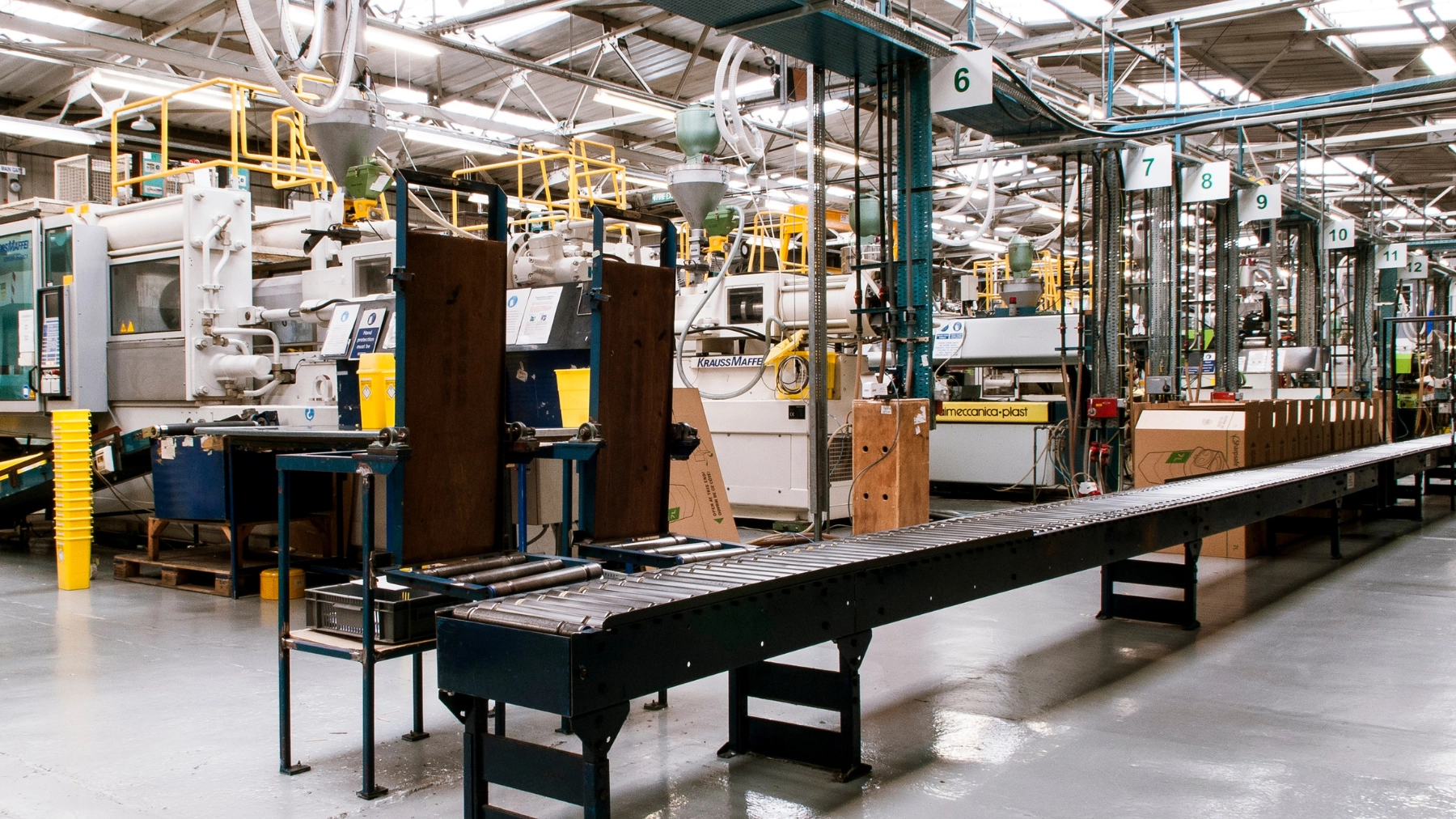
Manufacturing floors look different today than they did a decade ago. Many facilities now operate in hybrid environments that combine CNC machining, laser cutting, robotic welding, additive manufacturing, and manual assembly under one roof.
While this evolution improves efficiency and production flexibility, it also creates more complex waste streams. Managing fabrication scrap in hybrid manufacturing environments requires coordination, organization, and a clear recycling strategy.
Without a structured plan, scrap accumulates quickly, interferes with workflow, and increases disposal costs. With the right approach, however, fabrication scrap becomes a predictable, revenue-generating part of operations.
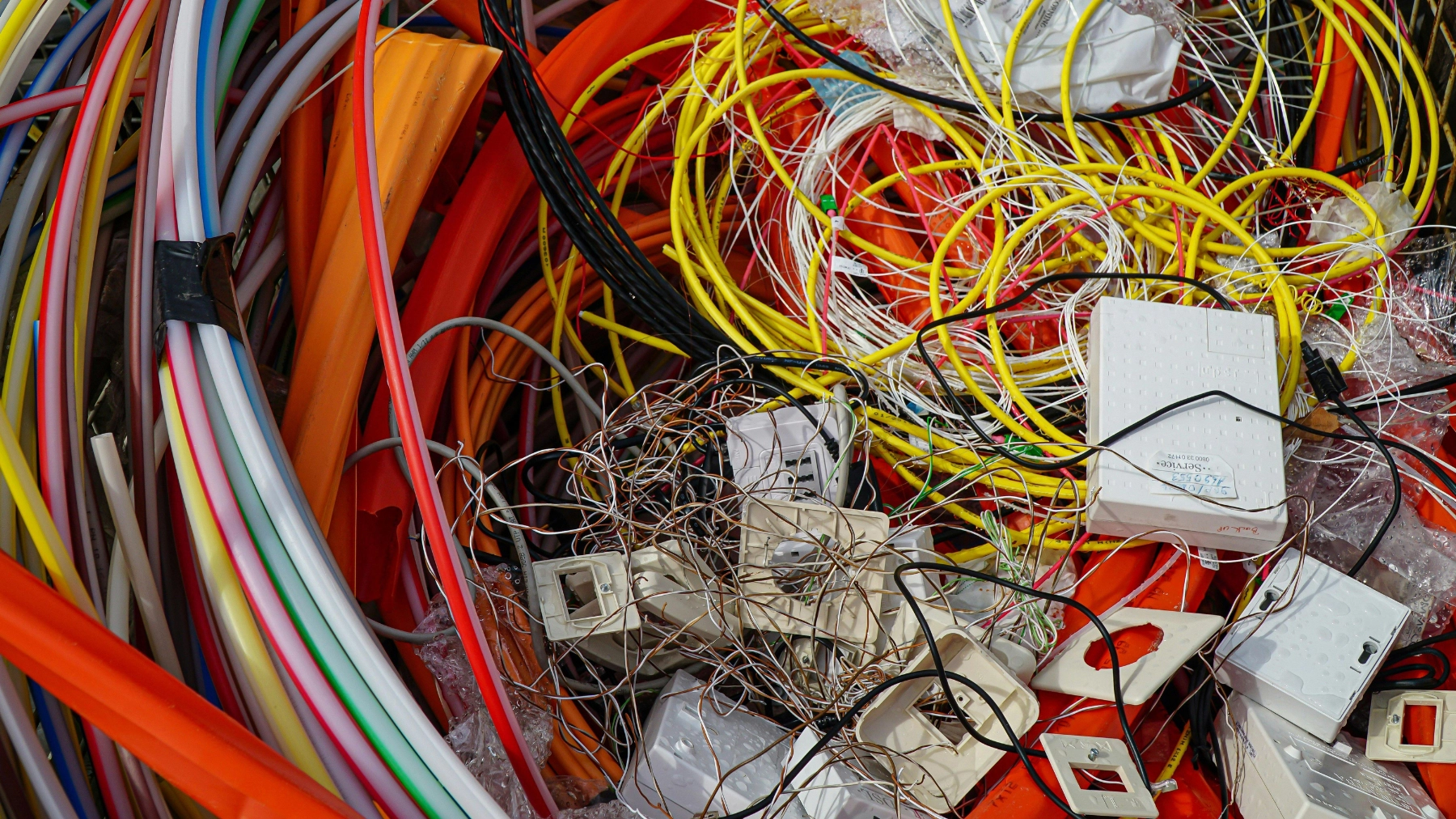
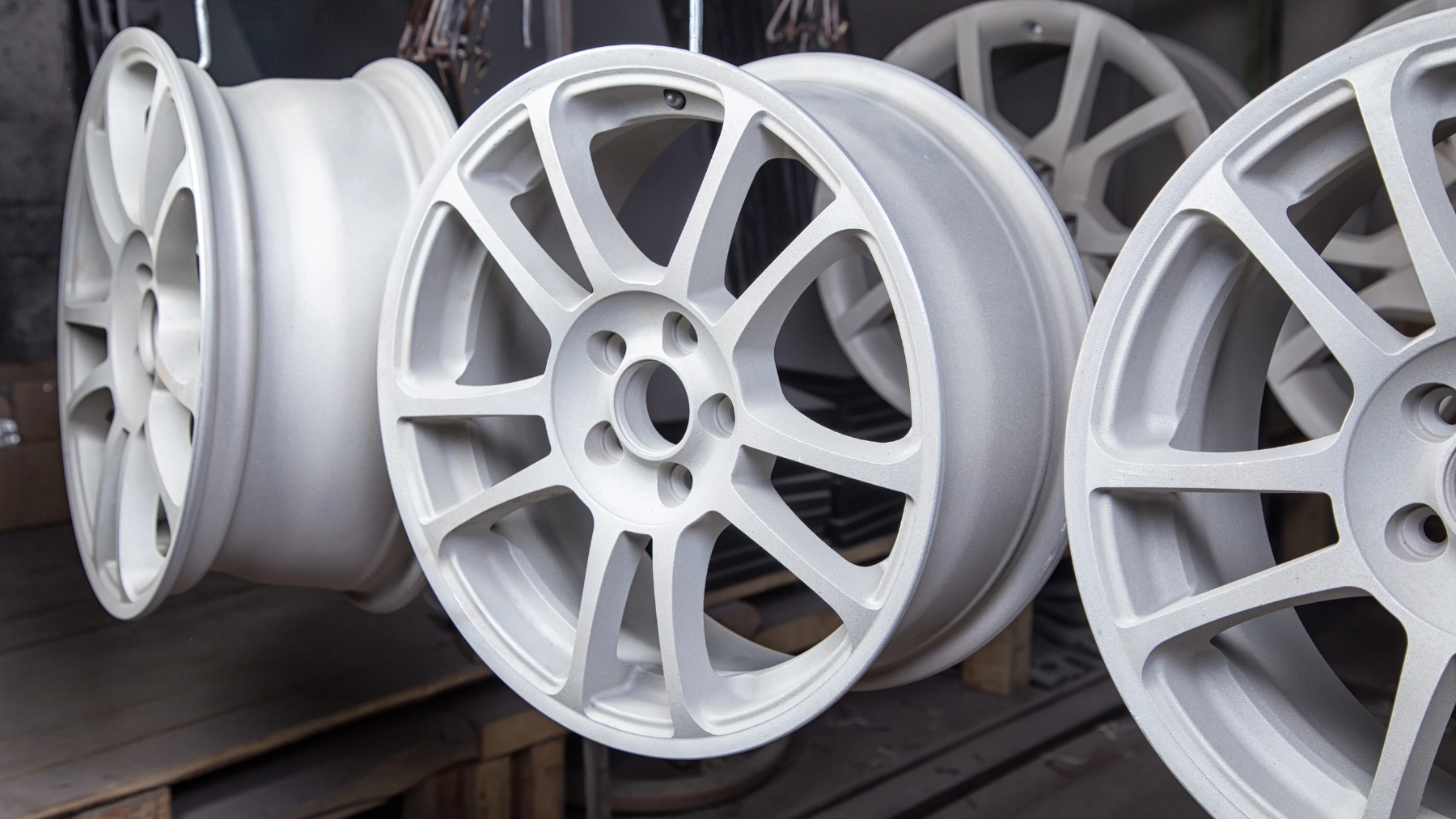
Hybrid manufacturing facilities often produce multiple metal types at once. A single operation may generate stainless steel laser skeletons, aluminum machining chips, steel plate offcuts, copper bus bar trim, and rejected assemblies — sometimes all within the same shift!
Unlike traditional single-process shops, hybrid environments create diverse scrap streams that must be separated and managed properly to maintain value.
When materials are mixed together or stored inefficiently, their recycling value drops. Clean, well-sorted fabrication scrap earns stronger pricing and simplifies removal.
The complexity of hybrid manufacturing makes scrap management more important — not less.
Fabrication scrap appears in many forms depending on production methods.
The key is recognizing that fabrication scrap is not incidental waste. It is a predictable output of production that should be managed intentionally.
When fabrication scrap is not streamlined, the consequences are immediate.
Material piles up near machines, limiting workspace. Mixed metals contaminate each other, reducing resale value. Operators spend time clearing scrap instead of running parts. Containers overflow unexpectedly, requiring emergency pickups that disrupt scheduling.
In hybrid environments where workflows are interconnected, disorganized scrap handling can slow the entire facility.
On the other hand, efficient scrap systems support cleaner work areas, smoother production transitions, and safer operations.
Effective scrap management starts at the machine level.
Dedicated bins placed near cutting tables, machining centers, and welding stations encourage immediate separation. Aluminum should be separated from steel. Stainless should remain distinct from carbon steel. Copper and brass should never be mixed into general scrap containers.
Clear labeling helps operators make quick decisions without slowing down production.
Regular removal schedules are equally important. Hybrid facilities often operate continuously, so scrap accumulation happens quickly. Coordinated pickup schedules prevent overflow and maintain consistency.
Tracking scrap volumes also helps management identify process inefficiencies. Unusually high scrap output from certain operations may indicate programming errors, material waste, or training opportunities.
In this way, fabrication scrap management becomes part of lean manufacturing rather than an afterthought.
Hybrid shops frequently handle stainless steel, aluminum, mild steel, and specialty alloys in the same production cycle. Cross-contamination is one of the biggest threats to scrap value.
Keeping scrap clean and free from excessive coolant, plastic wrapping, and non-metal debris preserves grading accuracy.
For machining operations, separating ferrous and non-ferrous chips protects pricing and simplifies processing. In some cases, facilities may choose to store higher-value metals like copper or specialty alloys in secure areas until pickup.
Partnering with a recycler that understands fabrication scrap ensures materials are properly classified and fairly priced based on current market conditions.
Many manufacturers operate under sustainability initiatives or reporting requirements tied to customers, investors, or certifications.
Recycling fabrication scrap contributes directly to waste diversion metrics and environmental reporting. Accurate weight tickets and recycling documentation simplify sustainability tracking and demonstrate responsible material management.
As hybrid manufacturing becomes more common, environmental performance increasingly becomes part of competitive positioning.
Efficient scrap recycling strengthens both operational performance and sustainability credentials.
Iron & Metals works closely with Colorado manufacturers to streamline fabrication scrap in facilities of all sizes.
We provide roll-off containers and custom bin solutions suited to mixed-material environments. Our team offers reliable pickup scheduling aligned with production cycles and transparent, market-based pricing based on material type and quality.
Certified scales ensure accurate weight tracking, and documentation supports both financial reporting and sustainability goals.
For hybrid facilities balancing multiple production processes, having a consistent recycling partner reduces administrative burden and keeps scrap management predictable.
Hybrid manufacturing environments demand smarter systems — and fabrication scrap management is no exception. By separating materials at the source, scheduling consistent removal, and protecting scrap value through proper handling, manufacturers can transform waste into a controlled, profitable process.
I&M helps Colorado manufacturers streamline fabrication scrap with dependable service, fair pricing, and practical solutions designed for modern production floors.
Contact our office to learn more.