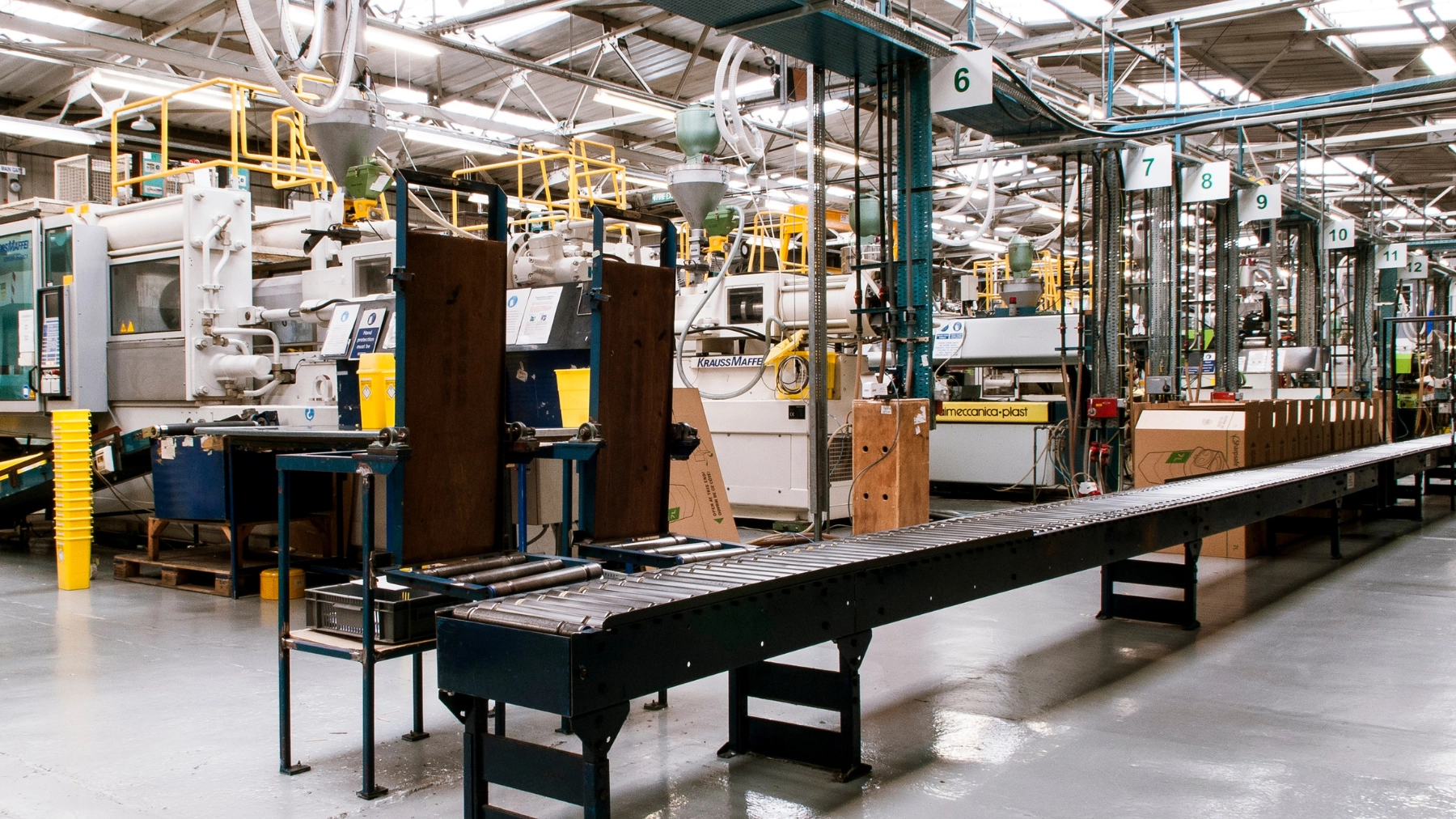
Pump and compressor production facilities operate in a high-precision, high-material environment. Cast housings, machined shafts, impellers, motor assemblies, and structural frames all require significant amounts of steel, stainless steel, aluminum, brass, and copper.
With that level of material throughput comes a steady stream of scrap. Managing scrap metal disposal effectively is critical for maintaining efficiency, controlling costs, and supporting sustainability goals.
In pump and compressor manufacturing, scrap is unavoidable. But unmanaged scrap creates operational inefficiencies and unnecessary expense. A structured disposal and reduction strategy transforms waste into measurable value.
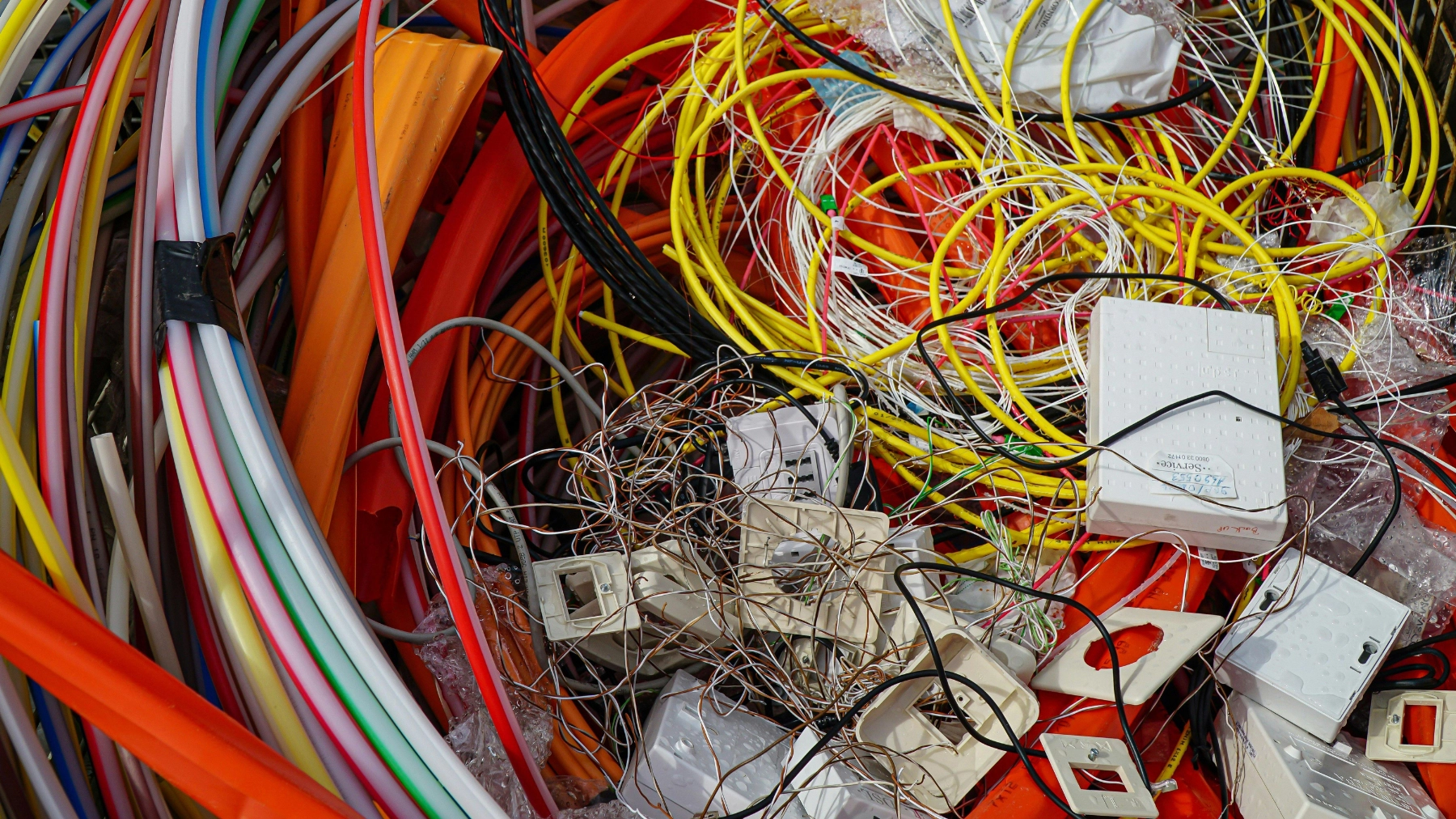
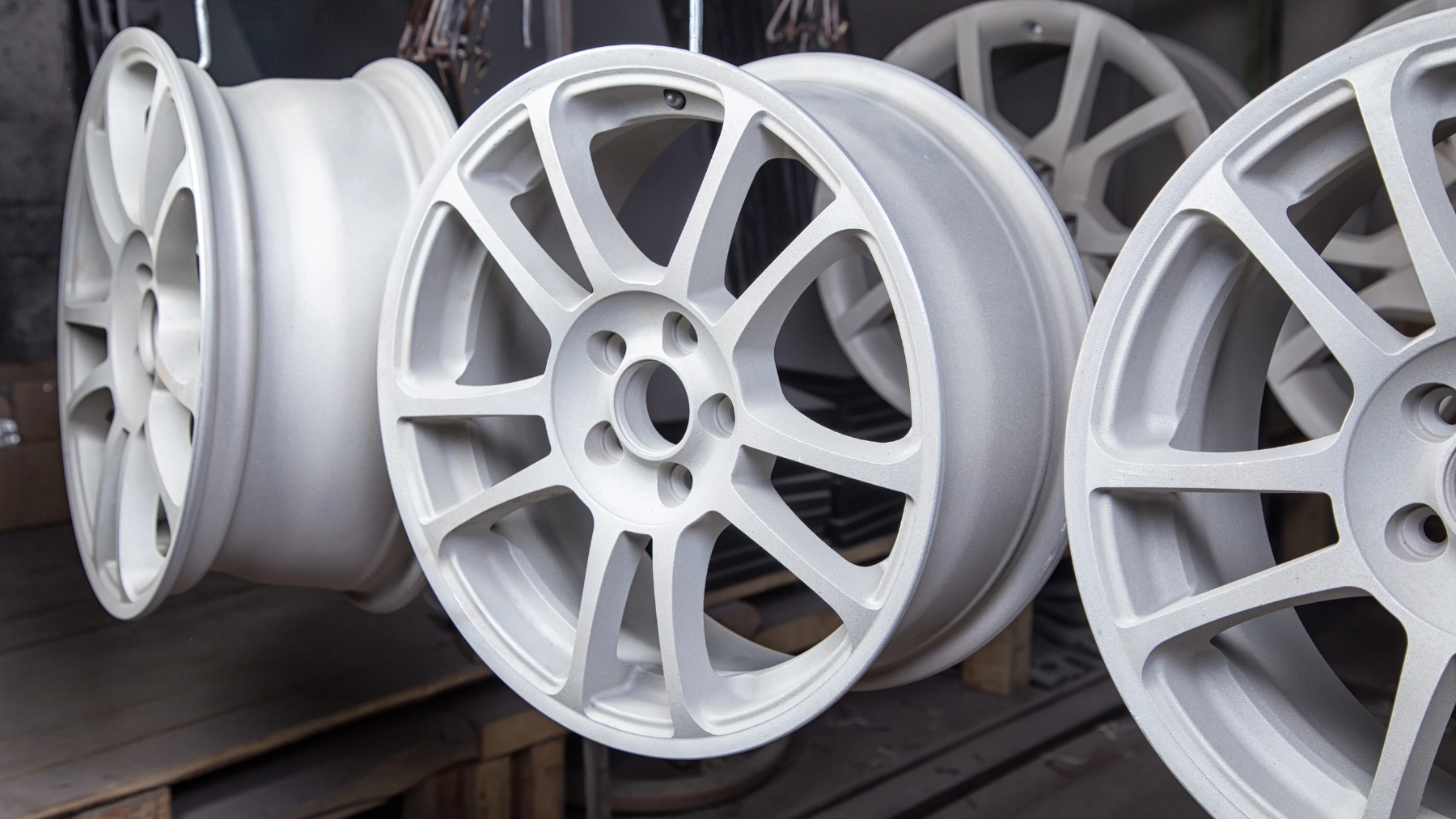
Scrap metal in this sector typically originates from machining, casting, fabrication, and assembly processes.
Common sources include:
Because pumps and compressors often require heavy-duty materials, scrap pieces are dense and high-value.
Without proper separation, these metals may be mixed together, reducing their recycling potential.
When scrap metal disposal is reactive instead of planned, facilities often experience several issues.
Mixed scrap reduces payout value. Aluminum contaminated with steel, or stainless mixed with carbon steel, lowers overall pricing.
Overflowing bins disrupt workflow and create safety hazards. Machining chips scattered near production equipment increase slip risks and housekeeping burdens.
Improper scrap handling also increases disposal costs. If heavy metal ends up in general waste containers, landfill fees rise significantly.
For pump and compressor producers working with tight production schedules and material budgets, inefficient scrap management directly affects profitability.
The most effective approach begins with separating scrap by material type at the source.
Dedicated containers should be placed near machining centers, cutting stations, and assembly areas. Operators should have clear guidance on where each metal type belongs.
Separating the following materials improves value and simplifies recycling:
In facilities producing electric-driven compressors or pump motors, copper windings and electrical scrap should be stored securely and separately due to higher value.
Regular pickup scheduling is equally important. High-volume machining operations generate scrap quickly. Coordinated removal prevents overflow and keeps production areas clear.
Beyond disposal, facilities can reduce overall scrap generation through process improvements.
Improving nesting programs in CNC cutting operations minimizes drop material. Refining machining tolerances reduces rejected components. Reviewing casting quality control reduces defective housings.
Data tracking plays a major role. Monitoring scrap weight by department helps identify inefficiencies and potential training opportunities.
In hybrid manufacturing environments, communication between departments ensures consistent scrap sorting and prevents cross-contamination.
Scrap metal disposal should be integrated into lean manufacturing practices rather than treated as a separate activity.
Many industrial manufacturers face sustainability reporting requirements from customers, investors, or regulatory bodies.
Recycling scrap metal reduces landfill dependency and lowers the environmental footprint of production.
Proper documentation supports:
Partnering with a professional recycler ensures accurate weight tickets and transparent material tracking, simplifying audits and reporting.
Pump and compressor production frequently involves heavy steel and alloy components. These materials carry meaningful weight and resale value.
To protect that value:
Working with a recycler experienced in industrial-grade scrap ensures accurate classification and competitive market pricing.
Iron & Metals Inc partners with Colorado manufacturers to streamline scrap metal disposal and recycling.
We provide:
For pump and compressor production facilities, having a consistent recycling partner reduces operational friction and turns scrap into a predictable revenue stream.
Scrap metal disposal in pump and compressor production should be structured, strategic, and integrated into daily operations. By separating materials, coordinating pickups, and tracking scrap data, manufacturers can reduce costs, improve safety, and recover meaningful value.
Iron & Metals helps industrial facilities across Colorado manage scrap metal disposal efficiently and responsibly — supporting both operational performance and environmental goals.
Ready to dispose of your scrap metal responsibly and get paid? Contact the Iron & Metals team to learn more.