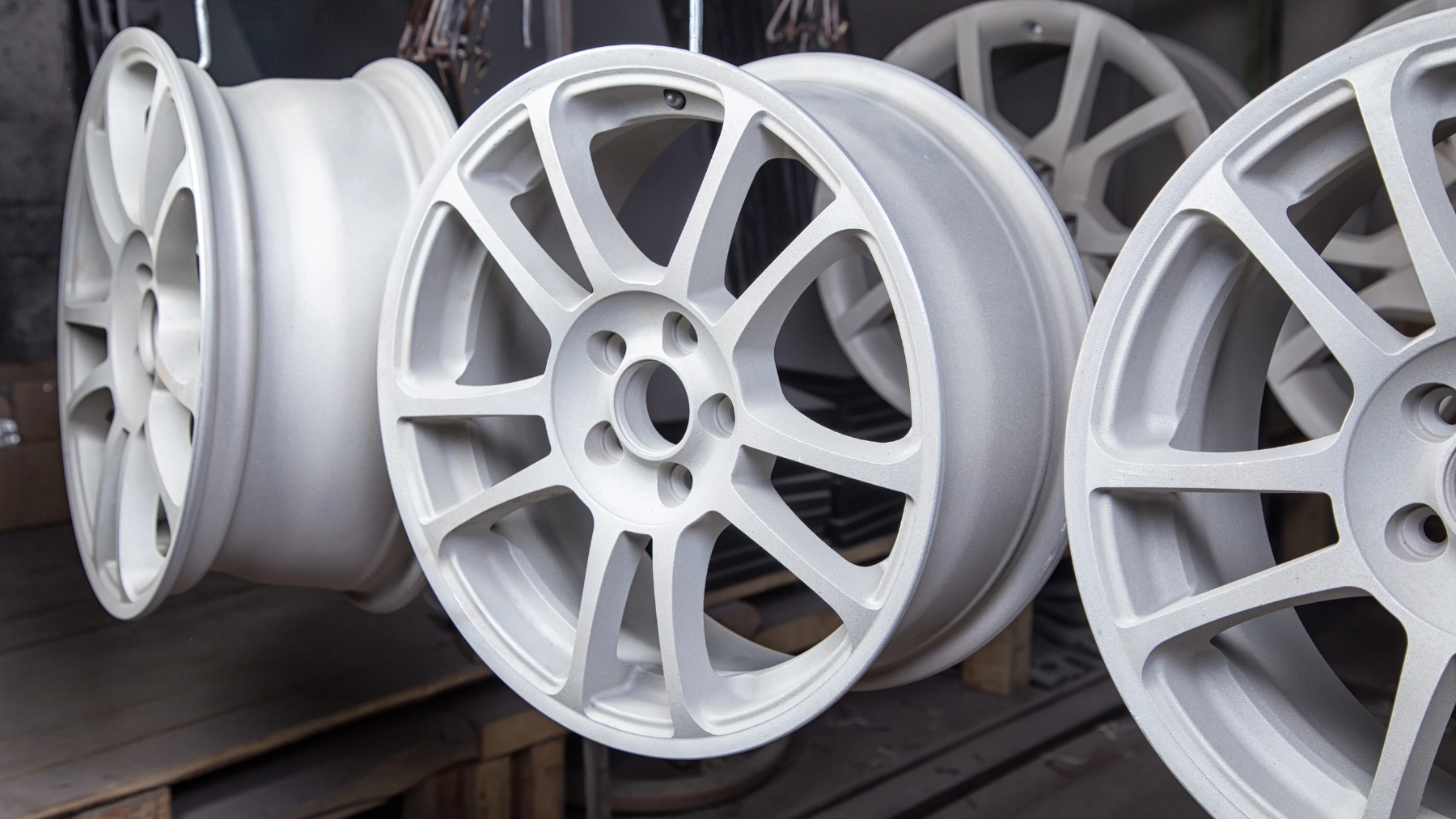
Powder coating is widely used across industrial manufacturing for its durability, corrosion resistance, and clean finish. From fabricated steel components to architectural aluminum and equipment enclosures, powder coated metal is a staple in finishing shops.
But once those parts become scrap — whether from rejected batches, overproduction, or trimmed material — many shops aren’t sure how to handle them.
Can powder coated metal be recycled? Does the coating affect value? And how should it be handled to maximize returns?
For industrial finishing operations, understanding how to properly recycle powder coated metal helps reduce waste, improve efficiency, and recover value from materials that might otherwise be discarded.
The short answer is yes, powder coated metal is recyclable.
The underlying metal (typically steel or aluminum) remains fully recyclable even after coating. During the recycling process, powder coating is burned off or separated during melting, allowing the base metal to be recovered and reused.
However, the presence of coating can affect how the material is graded and priced.
Clean, uncoated metal typically commands higher pricing because it requires less processing. Powder coated material may receive a slightly lower rate, but it still retains significant recycling value — especially in large volumes.
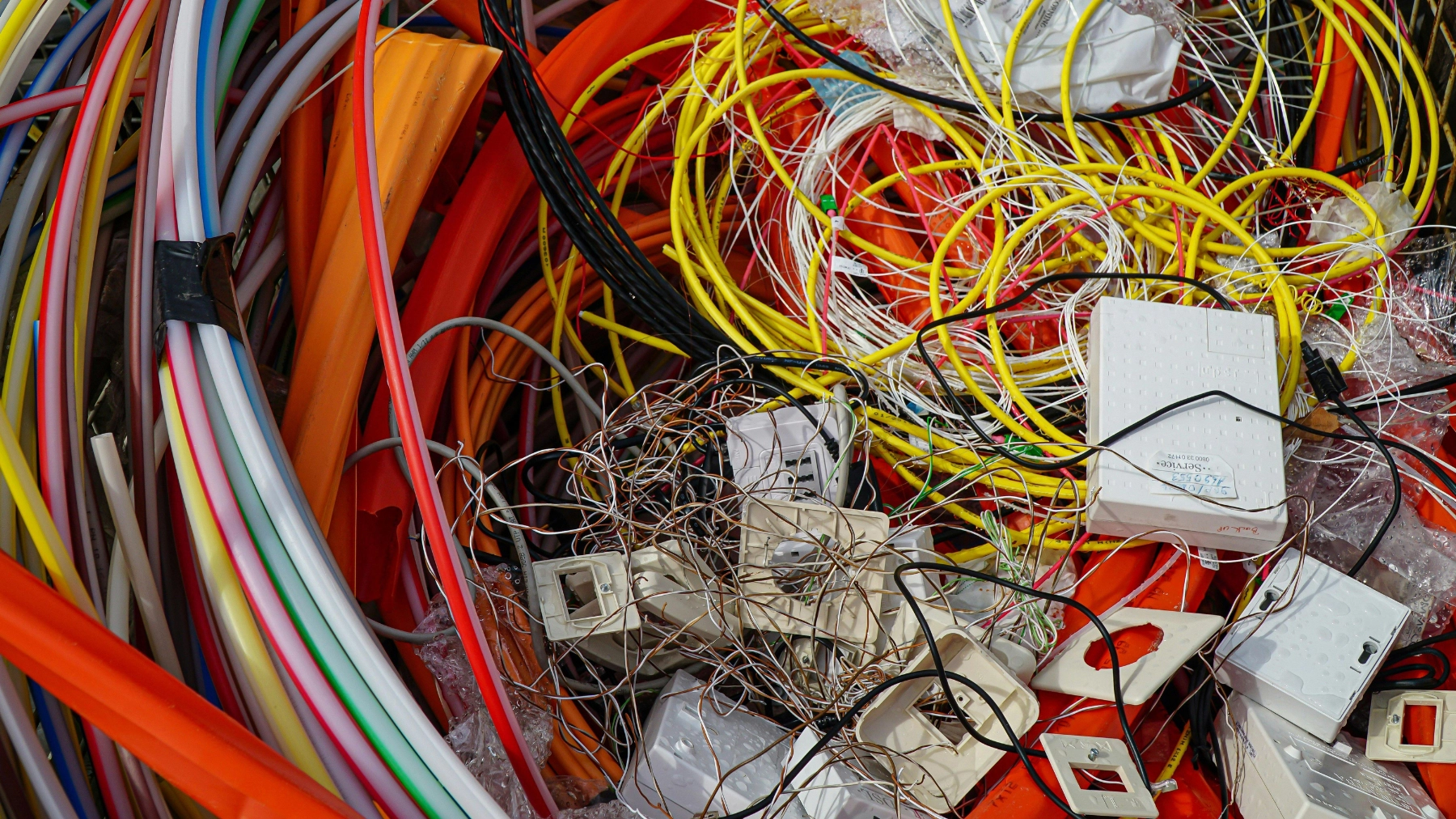
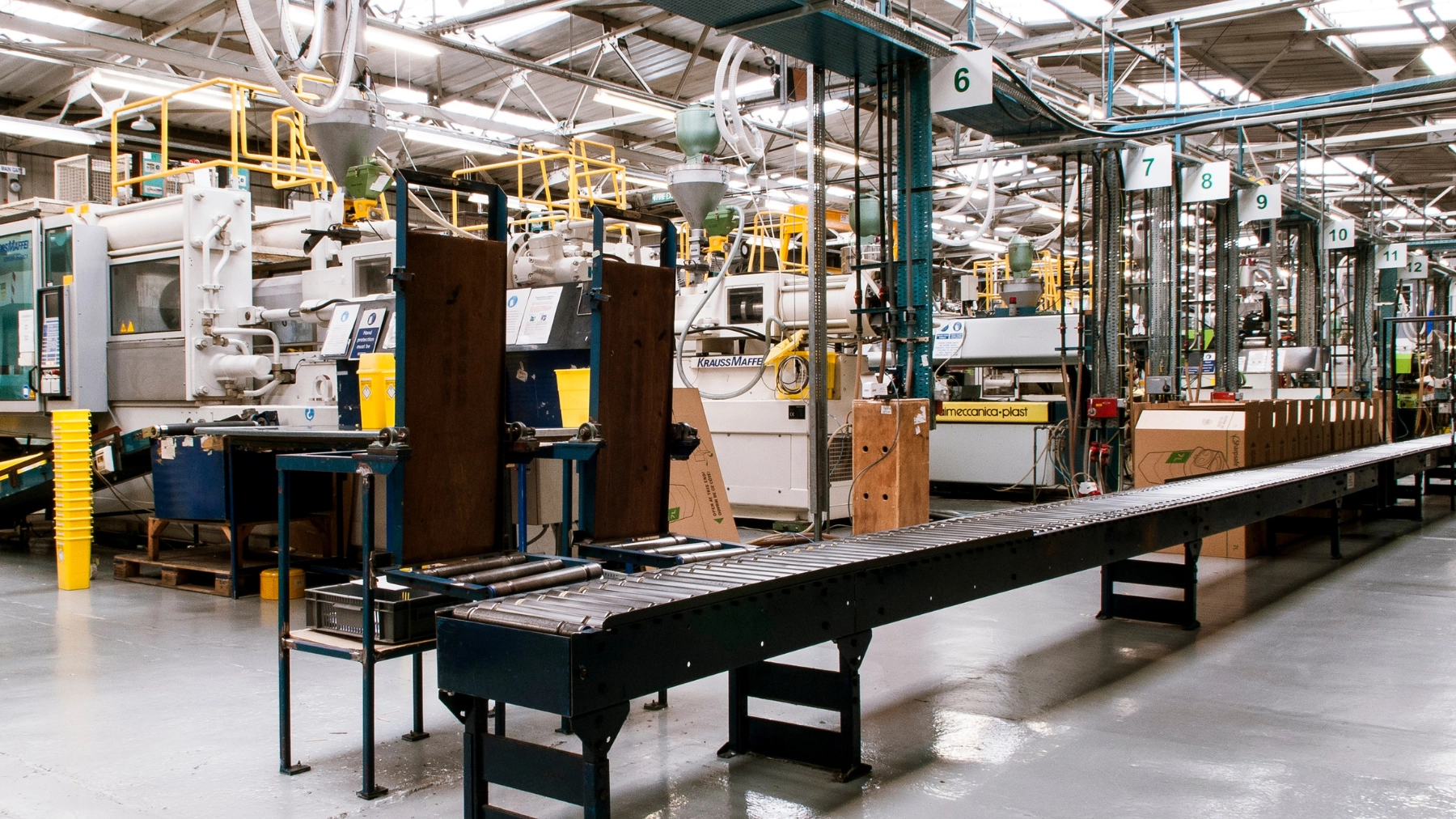
In industrial finishing shops, powder coated metal scrap is generated throughout production.
Common sources include:
Because coating is often applied late in the production process, these parts may represent a higher material and labor investment making recovery even more important.
Most powder coated scrap falls into two categories: steel and aluminum.
Steel components may include frames, enclosures, brackets, and heavy fabricated parts. Aluminum is often used for architectural elements, lightweight assemblies, and precision components.
Even with coating, separating these materials is essential.
Steel and aluminum are processed differently and priced separately. Mixing them reduces efficiency and lowers overall scrap value.
A simple rule for finishing shops:
Separate by base metal first. Coating comes second.
Managing powder coated scrap effectively doesn’t require complicated processes, but consistency matters.
Separate steel from aluminum, and keep higher-value materials isolated from general scrap. Even coated aluminum can carry strong value if kept clean.
Powder coated scrap should never be thrown into general waste containers. Doing so eliminates recycling value and increases disposal costs.
While coating is expected, additional contamination like plastic wrap, rubber, or excessive dirt can reduce scrap value. Keeping materials reasonably clean improves grading.
Designated bins or roll-off containers help ensure powder coated materials are consistently collected and not mixed with other waste streams.
Larger, consistent loads of powder coated metal are more efficient to process and may qualify for better pricing.
Some finishing shops wonder whether removing powder coating before recycling improves value.
In most cases, manual removal is not necessary or cost-effective.
Modern recycling processes are designed to handle coated metals. The coating is removed during melting or processing, and the base metal is recovered.
The time and labor required to strip coating manually typically outweigh any potential price improvement.
The focus should remain on:
For many finishing shops, powder coated scrap is treated as an unavoidable byproduct. But with the right approach, it becomes a manageable and measurable part of operations.
Recycling reduces landfill use and disposal costs. It also creates a return on materials that would otherwise be written off.
Over time, tracking scrap volumes can also provide insight into production inefficiencies. High levels of rejected coated parts may point to issues in application, curing, or handling processes.
In this way, scrap management supports both cost control and process improvement.
Iron & Metals works with manufacturers and finishing operations across Colorado to simplify scrap metal recycling including powder coated materials.
We provide:
Our team understands that finishing shops operate on tight timelines and need recycling solutions that are consistent, efficient, and easy to manage.
Powder coated metal may look different than raw material, but it still holds real recycling value.
By separating metals, maintaining clean scrap streams, and working with an experienced recycling partner, industrial finishing shops can turn coated scrap into a reliable part of their waste management strategy.
Let I&M help you recover value from powder coated metal with dependable service and transparent pricing - contact our team to get started today.