Large-scale infrastructure and utility projects generate significant volumes of copper. Whether crews are upgrading substations, replacing underground service lines, modernizing traffic systems, or rebuilding aging grid infrastructure, copper is almost always part of the job.
For municipalities, utility providers, and contractors, copper metal recycling is more than a sustainability effort. It is a financial opportunity and a compliance responsibility. With copper prices remaining strong due to demand in energy, telecommunications, and transportation sectors, properly managing copper scrap can directly impact project budgets.
At the same time, infrastructure work often involves public oversight and strict documentation requirements. That makes compliance just as important as value recovery.
Here’s what infrastructure and utility teams need to know.
Copper appears in nearly every major utility system.
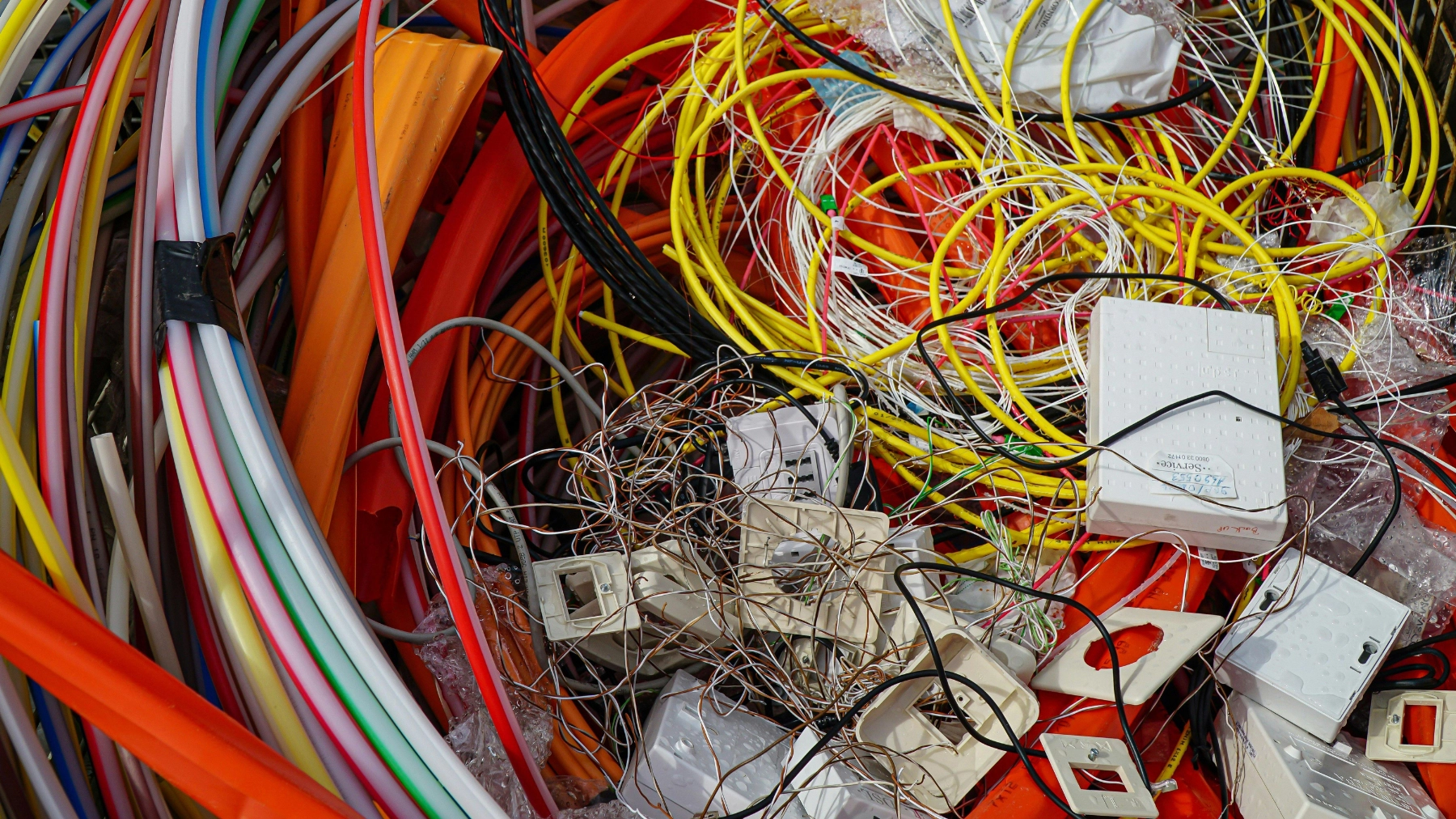
Electrical upgrades generate conductor wire, grounding cable, transformer components, and service lines. Water and wastewater projects remove copper pipe, fittings, and valves. Transportation modernization often involves signal wiring, streetlight cable, and communication systems.
Substation rebuilds and telecom upgrades produce large volumes of insulated copper cable and heavy-gauge conductors. Over time, even routine maintenance accumulates meaningful scrap value.
When copper is separated and handled properly, it becomes one of the most valuable recyclable materials on any infrastructure project.
Copper carries a higher market value than most other common metals used in infrastructure. That means even modest volumes can offset hauling and disposal costs.
Without a structured recycling plan, copper can end up mixed with general demolition debris. When that happens, agencies lose both scrap revenue and the ability to document diversion rates accurately.
Recycling copper properly helps utilities reduce landfill tonnage, support environmental reporting, and demonstrate responsible stewardship of public resources.
For publicly funded projects, showing that recoverable materials were recycled rather than discarded strengthens transparency and accountability.
Recovering maximum value from copper depends largely on preparation and separation.
Keeping copper separate from steel and aluminum is essential. Clean, sorted copper earns better pricing than mixed loads. Heavy-gauge wire, bare bright copper, and clean pipe generally receive premium rates compared to insulated or contaminated material.
While stripping insulation is not always necessary, separating high-grade copper from lower-grade scrap improves overall payout. Removing excessive dirt, concrete, or non-metal attachments also protects value.
Volume matters as well. Larger, well-organized loads are more efficient for recyclers to process and may qualify for stronger pricing.
Working with a recycler that understands infrastructure-grade material ensures accurate classification and fair compensation based on current market conditions.
Compliance is a critical part of copper metal recycling for utilities and municipalities.
Many projects require documented diversion rates, especially when funded by state or federal programs. Accurate weight tickets and material classification reports are often necessary for closeout documentation.
Copper recycling also reduces the risk of improper disposal. In some cases, infrastructure components may contain regulated materials or require documented chain-of-custody handling. Partnering with a professional recycler ensures that material is processed responsibly and in accordance with environmental standards.
Security is another important factor. Copper theft is a known risk on infrastructure sites. Secure storage, controlled container placement, and timely pickup reduce exposure while protecting project assets.
Infrastructure work often occurs in phases. Coordinating recycling with those phases prevents congestion and keeps projects moving.
Strategic container placement near active work zones allows crews to deposit copper immediately as systems are removed. Scheduling pickups before containers reach capacity avoids jobsite delays.
Clear communication between project managers, subcontractors, and recycling partners ensures copper is consistently separated and tracked throughout the job.
When recycling is built into the project workflow from the start, it becomes seamless rather than reactive.
Iron & Metals has supported Colorado infrastructure and utility projects for more than 60 years. We understand the scale, compliance requirements, and logistics challenges that public works projects present.
We provide roll-off containers suitable for heavy copper loads, flexible pickup scheduling aligned with project timelines, and certified scale weights for accurate reporting. Our transparent, market-based pricing reflects current copper values while rewarding clean, well-sorted material.
Most importantly, we help agencies and contractors manage copper metal recycling in a way that protects budgets, supports sustainability goals, and maintains regulatory compliance.
Copper metal recycling plays a vital role in modern infrastructure and utility work. With strong market demand and high material value, copper represents both a financial opportunity and an environmental responsibility.
By separating materials properly, coordinating pickup strategically, and working with an experienced recycling partner, utilities and contractors can maximize returns while meeting compliance requirements.
Iron & Metals is proud to support Colorado’s infrastructure teams with dependable service, fair pricing, and responsible copper recycling solutions. Contact our team to learn more.