Commercial projects generate a steady stream of recyclable metal. From office renovations and retail buildouts to large-scale facility upgrades, metal waste is part of the process.
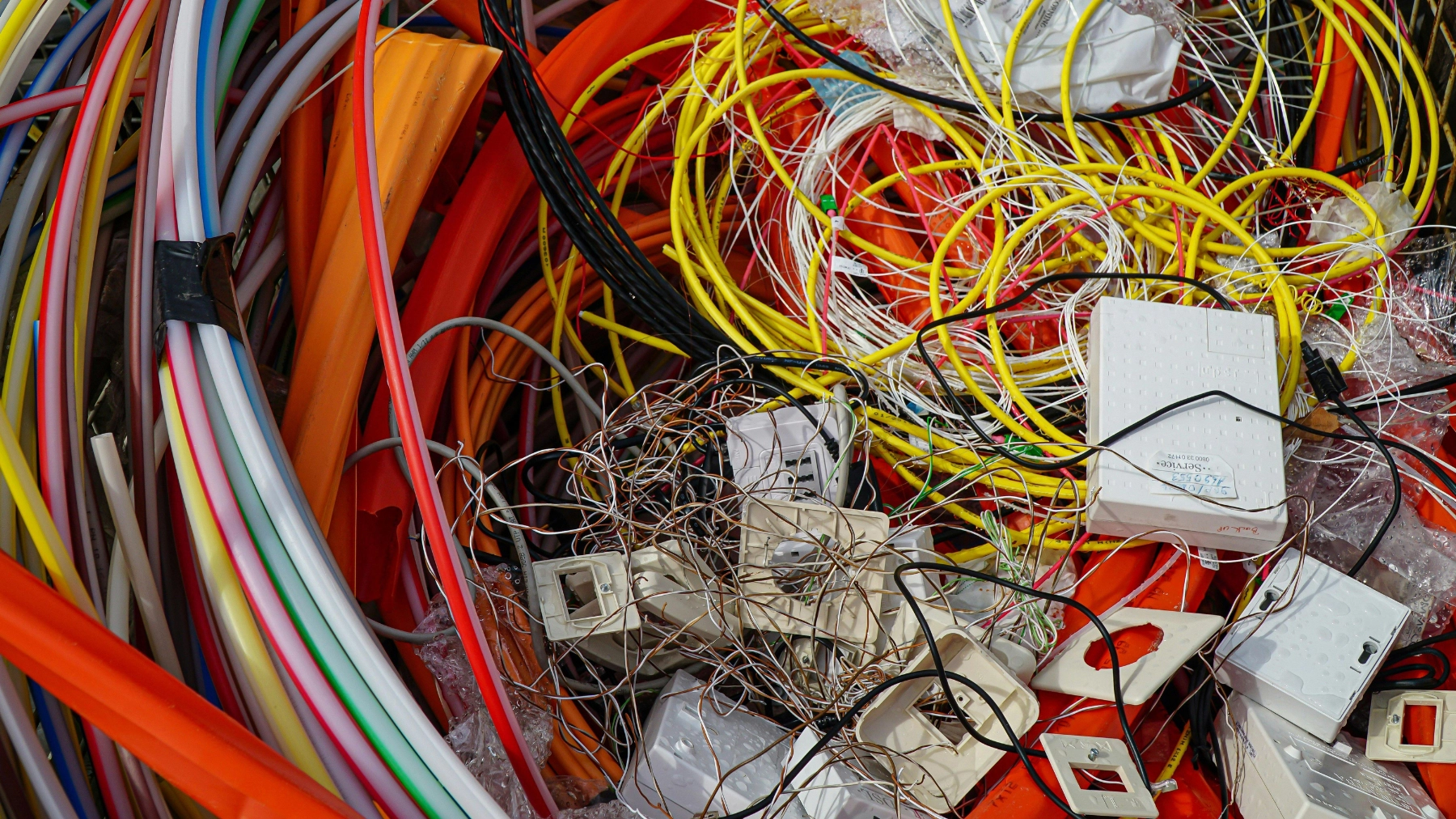
Steel framing, ductwork, copper piping, aluminum storefront systems, mechanical units, and electrical components accumulate quickly. Without a clear plan for commercial metal recycling, those materials can slow progress, increase disposal costs, and create compliance challenges.
The right recycling strategy keeps commercial projects organized, compliant, and on schedule — while turning metal waste into measurable value.
Commercial construction and renovation projects operate under tight timelines. Delays caused by overflowing containers or poorly managed waste can quickly disrupt subcontractors and inspections.
Metal is heavy. When it’s mixed with general debris, landfill costs rise and containers fill faster than expected. Separating recyclable metal reduces disposal weight and keeps waste streams more predictable.
There’s also a financial benefit. Commercial projects often produce significant quantities of copper, aluminum, stainless steel, and structural steel. When recycled properly, these materials generate scrap revenue that offsets hauling and container expenses.
For property managers and commercial developers, recycling also supports sustainability reporting and environmental compliance requirements — especially when working on LEED-certified or publicly funded projects.
Commercial sites produce recyclable metal at nearly every stage of construction or renovation.
When these materials are separated and managed consistently, projects stay cleaner and more efficient.
Commercial construction often involves stricter documentation requirements than smaller residential jobs.
Many municipalities require proof of waste diversion percentages. Developers may need recycling reports to meet sustainability targets. General contractors frequently include waste management provisions in subcontract agreements.
Accurate weight tickets and material documentation simplify reporting and protect project teams during inspections and audits.
Working with a recycler that provides certified scale weights and clear reporting ensures commercial metal recycling supports compliance from start to finish.
Construction schedules depend on coordination. Waste management is part of that coordination.
When containers are improperly sized or pickups are delayed, metal piles build up. This creates safety concerns and interferes with workflow.
Commercial recycling solutions work best when container delivery and pickup are aligned with project milestones. Larger demolition phases may require high-capacity roll-offs, while later finish stages may only need smaller bins.
Strategic placement also matters. Positioning containers near high-activity zones reduces double handling and improves efficiency.
Proactive recycling planning prevents last-minute scheduling conflicts that could stall progress.
The financial advantages of commercial metal recycling are straightforward.
First, diverting metal lowers landfill tonnage. Since disposal is typically priced by weight, removing heavy steel and copper from mixed waste reduces overall fees.
Second, recyclable metal carries market value. Copper and aluminum often provide meaningful returns. Even structural steel, while lower in per-pound value, adds up quickly on larger projects.
Third, organized waste systems reduce labor inefficiencies. Crews spend less time managing clutter and more time completing scheduled work.
When recycling is integrated into project planning, it becomes a cost-control strategy rather than an afterthought.
Commercial contractors and facility managers need more than a drop-off location. They need dependable service and predictable logistics.
Iron & Metals provides:
For more than 60 years, Iron & Metals has supported Colorado’s commercial construction and facility teams with efficient recycling solutions tailored to real-world project demands. Whether overseeing a downtown renovation, a retail buildout, or a multi-building facility upgrade, our team helps keep commercial metal recycling simple, compliant, and efficient.
Commercial metal recycling plays a critical role in keeping projects organized, compliant, and on schedule. With the right containers, accurate documentation, and reliable pickup service, contractors and property managers can reduce disposal costs while capturing the value of recyclable metals.
Iron & Metals helps Colorado commercial teams manage metal waste responsibly and efficiently, delivering the support needed to protect budgets and maintain project timelines.
Contact our team to learn how we can support your next project.