Heavy metal recycling is one of the most important — and profitable — parts of modern construction, manufacturing, municipal, and industrial operations. Large steel beams, cast-iron components, dismantled machinery, structural demolition scrap, and oversized metal equipment can rack up significant disposal costs if they aren’t recycled properly.
For the industries that routinely handle large or dense metals, a smart recycling program improves workflow, reduces safety risks, and turns heavy scrap into meaningful revenue.
Whether you're managing a demolition project, decommissioning industrial equipment, replacing infrastructure, or handling day-to-day fabrication scrap, these best practices help keep operations clean, compliant, and cost-effective.
What Is Heavy Metal Recycling?
Heavy metal recycling refers to the recovery and processing of large, dense, or high-mass metal materials. These materials require special handling, containers, and equipment, which is why contractors and industrial teams typically rely on professional recyclers like Iron & Metals.
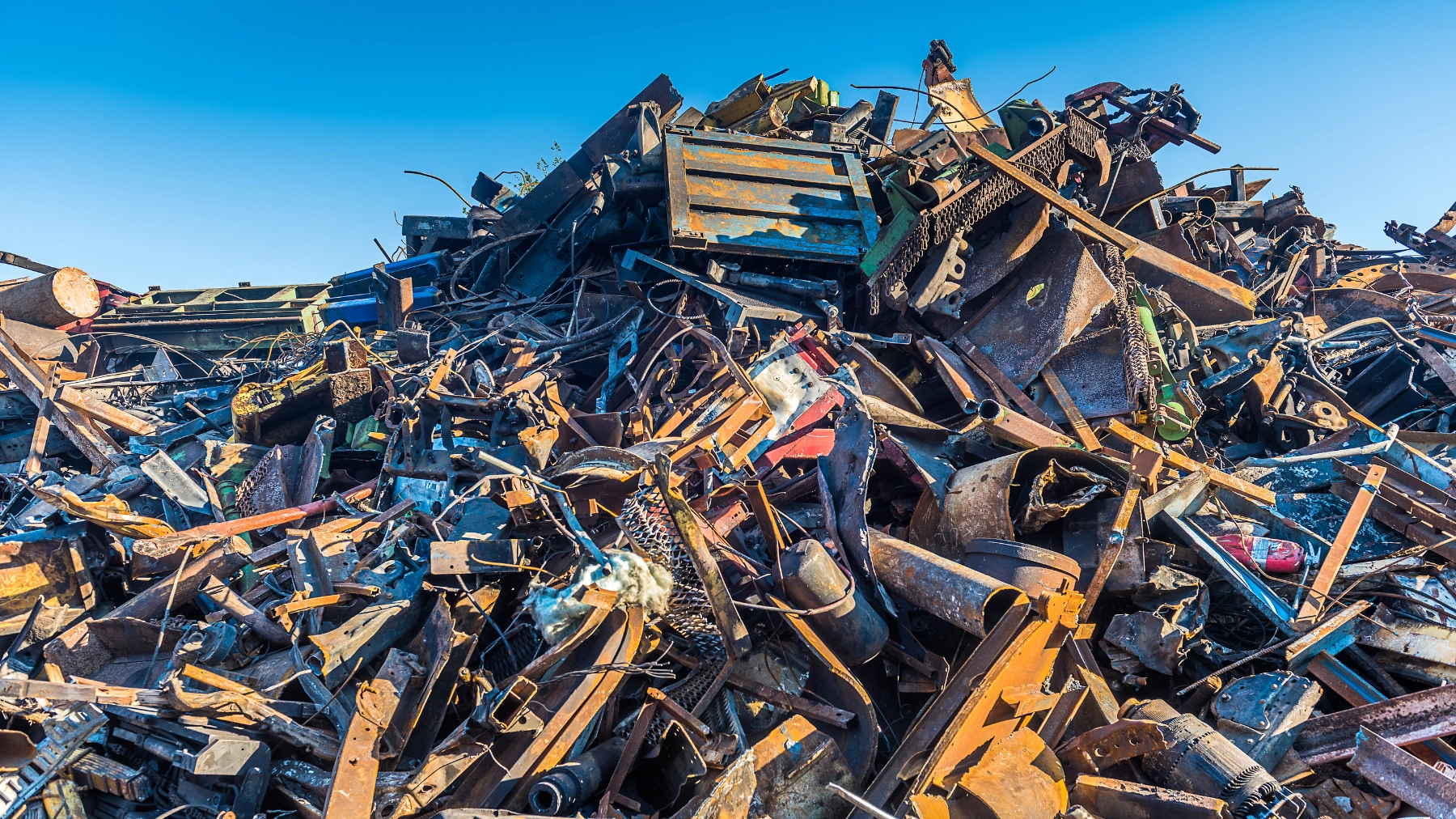
Heavy metal scrap often includes:
- Structural steel beams, girders, and columns
- Rebar from concrete demolition
- Cast-iron pipe and manhole components
- Heavy machinery and industrial equipment
- Large tanks, boilers, and pressure vessels
- Steel plate, pipe, and oversized fabrication scrap
- HVAC rooftop units and mechanical systems
- Agricultural or mining equipment
These materials are bulky, difficult to move, and too valuable to discard as mixed debris.
Industries That Commonly Participate in Heavy Metal Recycling
A wide range of sectors produce heavy scrap metal as part of everyday operations or large-scale projects. The industries that benefit most from heavy metal recycling include:
- Construction & Demolition (C&D): C&D operations generate huge quantities of structural steel, rebar, metal decking, piping and mechanical systems, and stairways, railings, and building frames. Major tear-downs and renovations are some of the largest sources of heavy metal scrap.
- Utilities & Municipal Departments: Electric, water, and public works crews routinely remove cast-iron and ductile-iron pipe, light poles and signal structures, steel street infrastructure, and hydrants, valves, and manhole frames. Large, dense scrap piles up quickly during infrastructure upgrades.
- Manufacturing & Industrial Operations: Manufacturers and industrial facilities generate heavy scrap through equipment replacement, plant shutdowns, machinery teardowns, CNC and fabrication work, and production changeovers. Steel plate, pipe, and machine components are common.
- HVAC & Mechanical Contractors: HVAC replacements produce rooftop units (RTUs), air handlers, steel housings, and condensers and mechanical frames. These are large, heavy, and full of recyclable metals.
- Agricultural, Mining, and Fleet Operations: These sectors often recycle heavy equipment parts, steel tanks, trailers or body components, and worn structural supports. Their scrap is often too large for standard disposal systems.
Projects That Produce Large Amounts of Heavy Scrap Metal
Here are some of the most common project types that generate high-volume or oversized metal waste:
- Full Building Demolition: Structural steel, reinforced concrete rebar, roofing materials, and mechanical systems all qualify as heavy scrap.
- Infrastructure Replacement: Storm drains, culverts, streetlight poles, cast-iron pipe, and road signage create consistent heavy metal waste.
- Facility Upgrades and Equipment Replacement: Industrial plants upgrading machinery produce old motors, frames, bases, tanks, and machine parts.
- Industrial Decommissioning and Plant Closures: Entire systems — conveyors, boilers, presses, tanks, and structural supports — must be removed and recycled.
- Large HVAC Replacement Projects: Rooftop units weighing hundreds or thousands of pounds are common in commercial and municipal projects.
- Telecom and Utility Modernization: Steel cabinets, cable trays, electrical components, and support structures become scrap during upgrades.
Best Practices for Heavy Metal Recycling
Following a few proven steps ensures maximum value and smoother project operations.
1. Use the Right Containers
Heavy metals should never be thrown into mixed debris dumpsters.
Instead, use:
- Roll-off containers for bulky scrap
- Lowboy-style containers for dense scrap (steel plate, machinery)
- Dedicated metal bins for smaller heavy items
Iron & Metals can deliver and swap containers to match job-site needs.
2. Keep Scrap Metal Separate From Trash
Heavy metals mixed with debris reduce recycling value and increase disposal fees. Segregation ensures:
- Faster processing
- Better payout
- Lower landfill volume
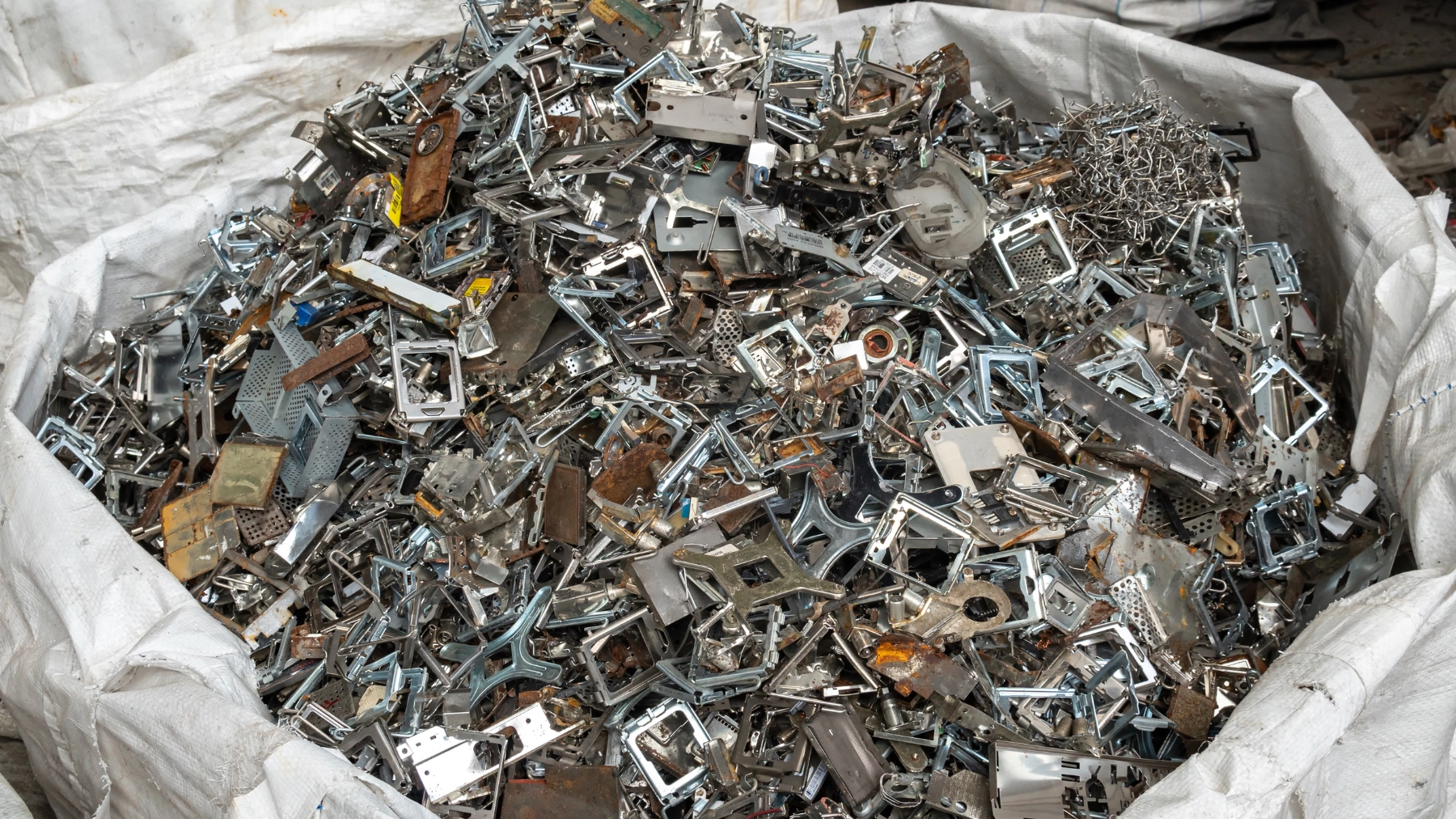
3. Prioritize Clean, Uncontaminated Scrap
Remove excess:
- Concrete
- Wood
- Insulation
- Plastics
Small residues are acceptable, but cleaner scrap earns higher pricing.
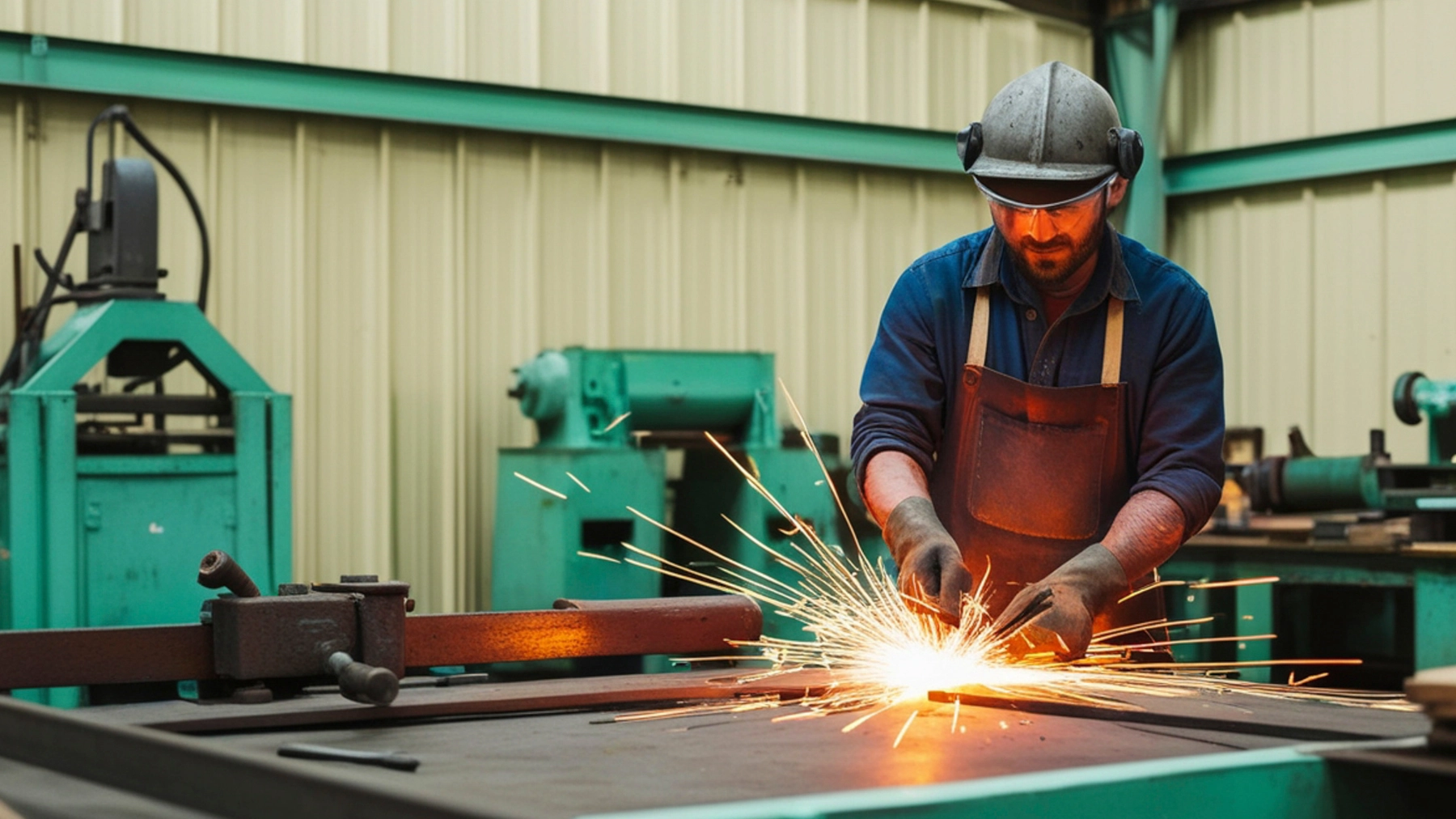
4. Cut Oversized Material for Safety and Transport
Large beams or equipment may need to be torch-cut or broken down on-site.
This:
- Reduces hauling hazards
- Fits material into standard containers
- Speeds removal
5. Use Mechanical Handling for Worker Safety
Heavy scrap requires equipment like:
- Excavators
- Loaders
- Forklifts
- Cranes
Never rely solely on manual lifting.
6. Partner With a Recycler Who Handles Heavy Scrap
Not all recyclers accept oversized or industrial-grade scrap. Iron & Metals is equipped to handle:
- Machine bases
- Structural beams
- Rebar bundles
- Motors and mechanical systems
- Cast iron and steel
And we provide competitive pricing based on current metal markets.
7. Schedule Pickups Around Project Phases
Fast removal prevents job-site congestion — especially during demolition. Regular pickup keeps workflow moving and reduces safety hazards.
8. Track Scrap Value and Weights
Many contractors use recycling revenue to help offset project costs. Weight tickets and pricing documentation help with reporting, permitting, and sustainability requirements.
How Iron & Metals Inc Supports Heavy Metal Recycling
Iron & Metals provides the services heavy industries need, including:
- Roll-off containers sized for heavy scrap
- Low-profile containers for dense material
- Fast, reliable pickup
- Competitive, transparent pricing
- Drive-on scales at our Denver facility
- Friendly support for complex or large projects
- Documentation for compliance and waste-diversion reporting
From full building demolitions to industrial machinery removal, we handle heavy scrap safely and efficiently.
Conclusion
Heavy metal recycling is essential for efficient project management, cost control, and safety. With the right processes in place — and a reliable partner like Iron & Metals — contractors, utilities, manufacturers, and demolition crews can turn even the toughest metal waste into revenue while keeping job sites safer and cleaner.
Ready to turn heavy metal scrap into revenue? Contact our team to get started.