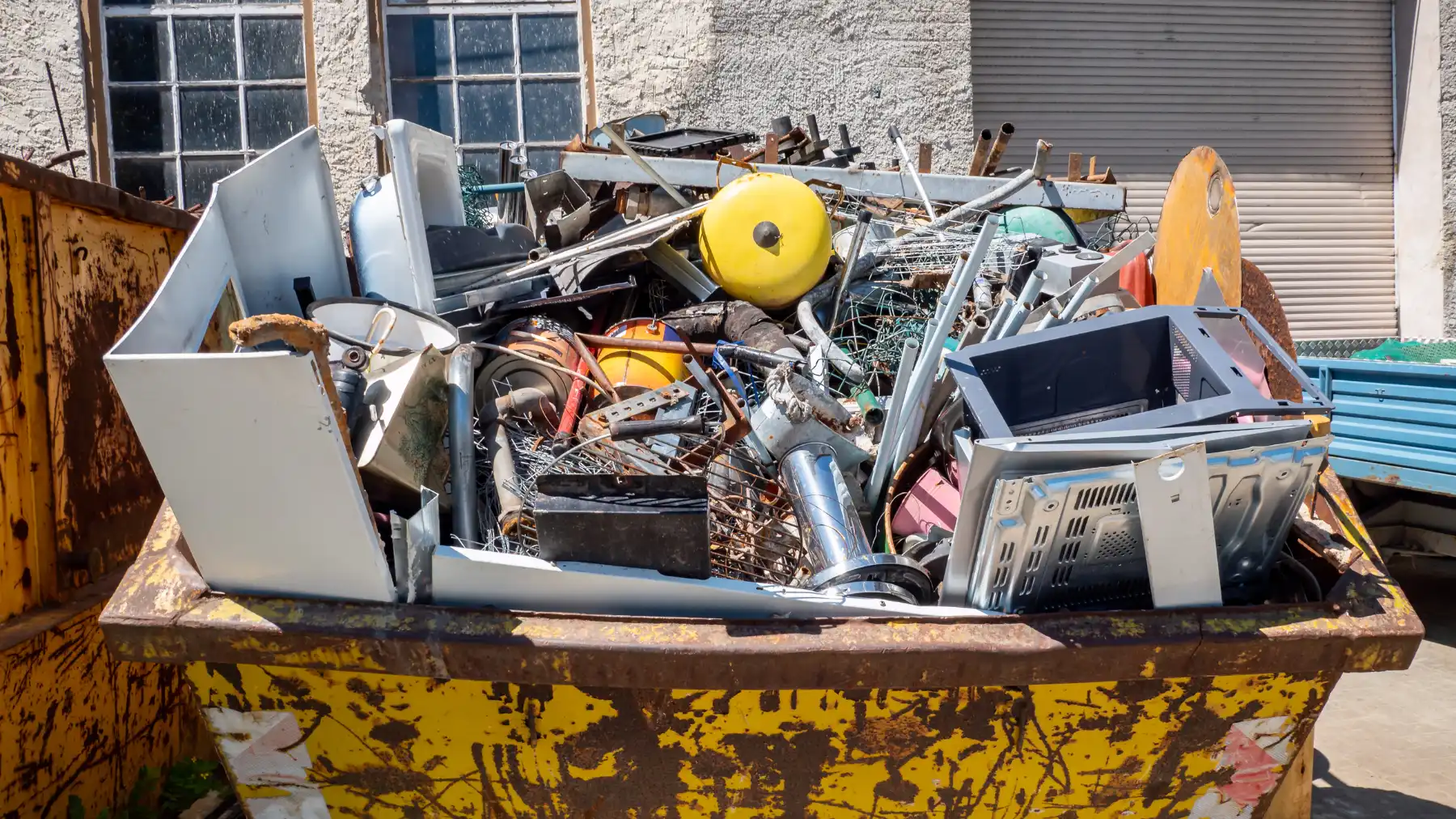
Walk into most scrap yards with a mixed load like copper fittings in with steel pipe, aluminum sheet mixed with carbon steel drops, or brass valves tangled up with iron, and you'll get paid for the least valuable material in the pile. That's not a policy quirk. It's the practical reality of how mixed scrap metal loads are graded.
Understanding when sorting pays off, when it doesn't, and how recyclers actually process mixed loads helps contractors, shop operators, and facility managers make better decisions with the material they generate every day.
When a load arrives at a scrap yard without clear material separation, the recycler has two options: sort it themselves or price the entire load at the lowest grade present. Most yards will do some level of sorting for established accounts, but that processing takes time and labor. The cost of that work gets reflected in what you're paid.
A load of copper and steel mixed together doesn't get split into two separate payouts automatically. Depending on volume and contamination level, it may get classified as mixed copper, #2 copper, or simply priced as a contaminated load well below what clean copper would bring. The same applies to stainless mixed with carbon steel, aluminum mixed with iron, or any other combination where a high-value material is diluted by a lower-value one.
The principle is consistent across metal types: separation preserves grade, and grade determines price.
Some separations are almost always worth making because the price gap between materials is significant enough that even a small volume of mixed high-value metal loses meaningful dollars.
Copper is consistently one of the highest-value metals at the recycling yard. Bare bright copper, #1 copper, and #2 copper all price well above steel, aluminum, and most other common scrap metals. A handful of copper fittings or a short length of line set mixed into a steel load doesn't get paid at copper rates — it gets lost in the pricing of the larger load.
If your operation generates any amount of copper alongside other metals, keeping it in a dedicated container is one of the simplest, highest-return habits in scrap management.
As covered in our carbon vs. stainless steel post, the price gap between these two materials is substantial. Stainless steel carries alloy value (chromium, nickel, and molybdenum depending on grade) that carbon steel simply doesn't. Mixed together, stainless gets pulled down toward carbon steel pricing or requires sorting labor that reduces your net return.
A magnet is all you need to separate the two in most cases. Austenitic stainless grades like 304 and 316 are non-magnetic; carbon steel is strongly magnetic. Built into a daily workflow, this test takes seconds.
Aluminum prices well above steel by weight, and the two are easy to distinguish as aluminum is significantly lighter and non-magnetic. Mixed aluminum and steel loads get downgraded because processing them together is inefficient. Keeping aluminum separate, even in a basic bin, protects its value with minimal effort.
Brass is dense, easy to identify by its yellow-gold color, and priced above most common scrap metals due to its copper content. It shows up frequently on plumbing, HVAC, and mechanical jobs in the form of valves, fittings, and fixtures. A dedicated small container for brass accumulation, even a five-gallon bucket, adds up to a meaningful return over a busy season.
Not every mixed scrap metal load warrants hand-sorting before drop-off, and recognizing those situations saves time without costing much value.
If a load is primarily various grades of carbon steel and iron like structural steel mixed with cast iron, pipe mixed with plate, or sheet metal mixed with tube, for example, the price differential between those categories is small enough that sorting rarely justifies the labor. Bring it as a mixed ferrous load and let the recycler process it.
If you're generating a modest overall volume where the high-value metals represent only a few pounds, the economics of sorting may not pencil out relative to the time invested. This is especially true for individual contractors on smaller jobs. A realistic calculation: if the sorting effort takes 20 minutes and the copper content of the load is two pounds, the incremental gain probably doesn't justify the time. Once you're generating consistent volume across multiple jobs, that math changes.
Some assemblies like copper-aluminum coil units, electric motors, or certain wire harnesses contain multiple metals bonded or wound together that aren't practical to separate manually in the field. Recyclers have established grades for these assemblies and price them accordingly. Trying to disassemble them on-site often isn't worth the labor and can sometimes reduce the value of the recovered material if components are damaged in the process. Bring them whole and let the yard classify them correctly.
The most effective sorting systems are simple enough that they don't depend on anyone remembering to do something differently each day. A few principles that work consistently across job sites, shops, and production floors:
If you arrive with a mixed load, our team will work with you to grade and process it accurately. For accounts with ongoing volume, setting up sorted containers from the start, even just separating non-ferrous from ferrous, makes a consistent difference in what you take home.
Iron & Metals accepts mixed scrap metal alongside sorted loads, and our container service can be configured to support separation at your facility before material ever leaves your site. If you're not sure how to set up a sorting system that works for your operation, our team is happy to walk through it with you.
Contact us to learn more.