How to Prep Brass Scrap for Recycling: Maximizing Returns from Faucets, Fittings, and Fixtures

Brass scrap recycling represents one of the most lucrative opportunities in the metal recycling market, yet many plumbers, contractors, and homeowners consistently leave money on the table through improper identification and preparation techniques. Understanding how to properly handle brass scrap from faucets, fittings, and fixtures can transform routine renovation waste into significant revenue streams.

At Iron and Metals Inc, our decades of experience in Colorado's recycling market have shown that properly prepared brass scrap can command premium prices—often 30-50% higher than improperly sorted or contaminated materials. The difference between throwing mixed metals into a general container and taking time to properly prepare brass components can mean hundreds or even thousands of dollars in additional revenue for busy contractors and renovation projects.

Brass recycling success hinges on three critical factors: 

  1. Accurate identification of genuine brass components
  2. Proper cleaning and preparation techniques, and
  3. Understanding market factors that influence pricing.

Whether you're a professional plumber managing multiple job sites or a homeowner tackling a single bathroom renovation, mastering these fundamentals ensures maximum returns from your brass scrap materials.

Understanding Brass Composition and Value

Brass represents an alloy primarily composed of copper and zinc, with copper content typically ranging from 60-85%. This high copper content directly correlates to brass's substantial recycling value, as copper consistently ranks among the most valuable recyclable metals in the market.

Different brass alloys command different prices based on their copper content. Red brass, containing approximately 85% copper, represents the highest-value category, while yellow brass typically contains 60-70% copper. Understanding these distinctions helps prioritize which materials deserve the most attention during preparation processes.

Quality preparation significantly impacts final pricing, with clean, sorted brass commanding premium rates compared to mixed or contaminated materials. Professional recyclers can immediately identify properly prepared materials, leading to better pricing negotiations and faster processing times.

Identifying Genuine Brass in Common Fixtures

Accurate brass identification forms the foundation of successful recycling preparation, as many fixtures marketed as "brass" actually contain brass-plated steel, pot metal, or other lower-value materials that significantly reduce scrap value.

Visual and Physical Testing

Genuine brass exhibits a distinctive golden-yellow color that remains consistent throughout the material thickness. Surface scratching reveals the same color underneath, while plated materials show different base metals beneath thin surface layers. Weight provides another reliable indicator, as solid brass fixtures feel substantially heavier than brass-plated alternatives due to brass's density.

The magnet test offers the quickest and most reliable brass identification method. Genuine brass is non-magnetic, meaning magnets will not attract brass materials. If a fixture attracts magnets, it contains ferrous metals and is not genuine brass. However, non-magnetic results don't guarantee brass composition, as aluminum, copper, and other non-ferrous metals also repel magnets.

Common Sources in Renovation Projects

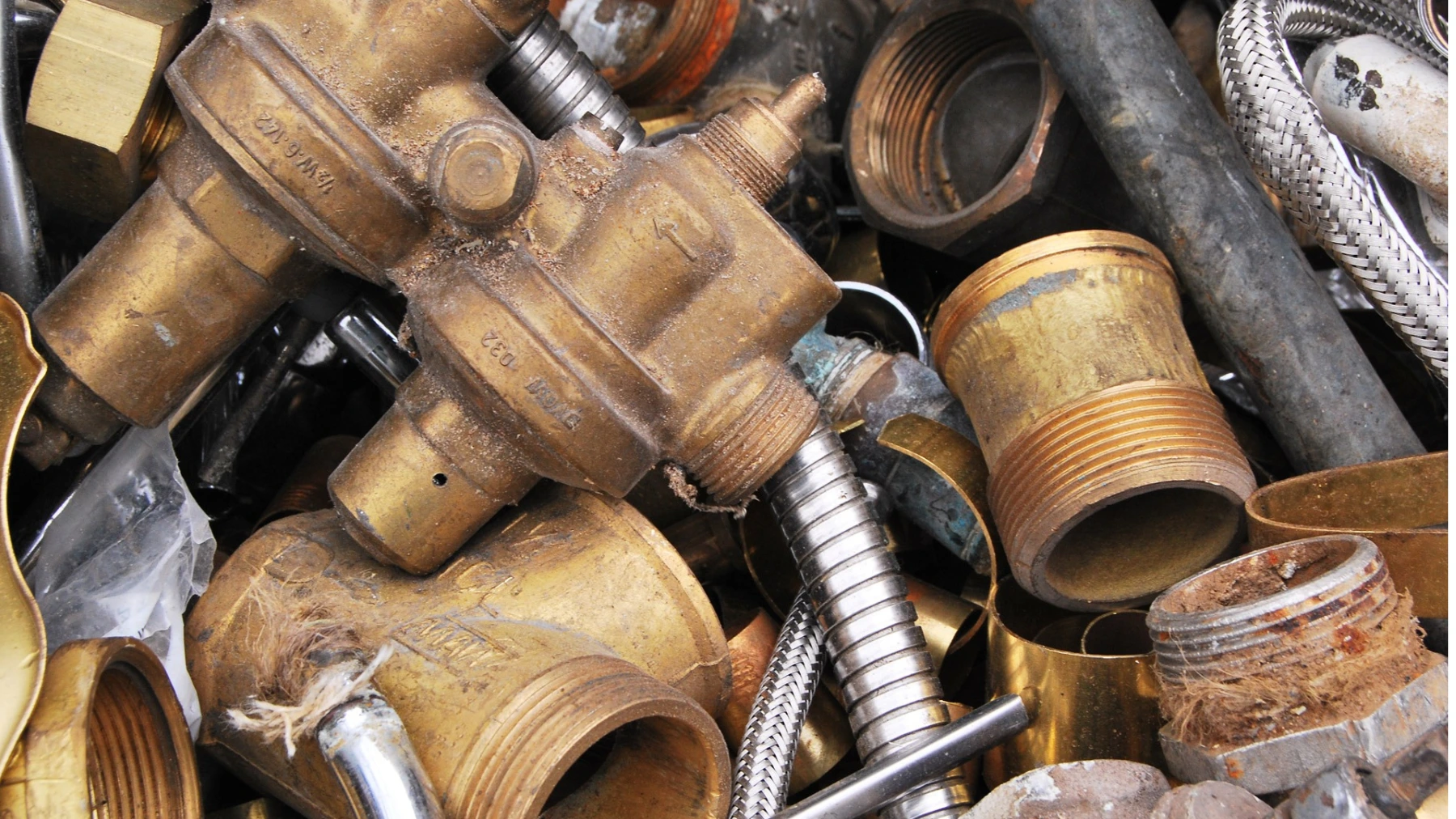
Kitchen renovations consistently produce substantial brass scrap through faucet replacements, cabinet hardware updates, and appliance connections. Single-handle kitchen faucets often contain 2-4 pounds of brass materials, while commercial-style faucets can yield significantly more. Cabinet hardware including drawer pulls and hinges frequently use solid brass construction in higher-end installations.

Bathroom renovations represent the highest-yield source for brass scrap due to the concentration of fixtures in small spaces. Complete bathroom renovations can easily produce 10-20 pounds of brass materials from faucets, shower systems, and hardware. Bathtub and shower faucets typically contain the largest individual brass components, with some vintage or high-end fixtures weighing 5-8 pounds each.

HVAC and plumbing systems modifications frequently involve brass components including valves, fittings, and connection hardware. Water heater connections, pressure relief valves, and distribution manifolds commonly incorporate brass components that can be recovered during system replacements.

Professional Cleaning and Preparation Techniques

Proper cleaning significantly impacts the final value of brass scrap by removing contaminants that reduce purity and complicate processing procedures. 

Basic Cleaning Procedures

Warm soapy water combined with scrubbing brushes effectively removes most surface contamination from brass fixtures. For fixtures with heavy mineral deposits, white vinegar provides an effective, non-toxic cleaning solution that dissolves calcium and lime buildup without harming brass materials.

After cleaning, thorough rinsing and drying prevent water spots and corrosion that could develop during storage periods. Proper drying also allows for accurate weight assessments and quality inspections.

Removing Non-Metal Components

Maximizing brass scrap value requires removing non-metal components that reduce overall purity. Plastic gaskets, rubber seals, ceramic cartridges, and other non-metal parts should be systematically removed. Screws, springs, and other ferrous metal components should also be removed when possible, as mixed metals typically receive lower pricing than pure brass lots.

Some fixtures contain multiple metal types including brass bodies with chrome-plated steel components. Separating these materials allows both brass and steel portions to be recycled appropriately, maximizing total value. Electronic components in modern fixtures including sensors or LED lights should be removed and handled as electronic waste.

Contamination Prevention and Quality Control

Contamination represents the primary factor reducing brass scrap values, with even small amounts of inappropriate materials significantly impacting pricing. Paint and coatings applied to brass fixtures create processing complications and typically result in price deductions. Complete paint removal through mechanical cleaning may be necessary for heavily coated fixtures.

Soldering flux, pipe compound, and other plumbing materials can contaminate brass surfaces. These materials should be removed through appropriate cleaning procedures before recycling submission. Mixed metals represent another significant contamination issue, particularly when brass components are left attached to steel, aluminum, or other materials.

Industry Grading and Sorting Standards

Professional recyclers utilize standardized grading systems that categorize brass materials based on composition, cleanliness, and preparation quality.

Achieving premium grades requires systematic preparation procedures including complete removal of non-brass components, thorough cleaning, and proper sorting. Understanding these requirements helps determine appropriate preparation levels for different material quantities.

Tools and Safety Equipment

Effective brass preparation requires appropriate tools that facilitate disassembly and cleaning without damaging materials. Basic hand tools including adjustable wrenches, pliers, and screwdrivers enable disassembly of most fixtures while preserving component integrity. Wire brushes and scraping tools remove surface contamination without introducing ferrous metal contamination.

Magnets help identify and separate ferrous metal components from brass materials, ensuring proper sorting. For higher-volume operations, power tools including angle grinders and wire brushes mounted on drill motors can accelerate preparation while maintaining quality standards.

Safety equipment remains critical during preparation procedures. Eye protection prevents injuries from debris and metal fragments, while appropriate gloves prevent cuts and chemical exposure. Respiratory protection may be necessary when using chemical cleaners or generating dust during mechanical preparation.

Maximizing the Value of Brass Scrap

Consider these expert tips when recycling brass scrap and looking to maximize value.

Time the Market

Brass scrap prices fluctuate based on global copper markets and economic conditions. Copper prices tend to follow economic cycles with higher prices during periods of strong construction activity. Understanding these patterns helps optimize timing for material sales, though storage costs and working capital requirements must be balanced against potential price improvements.

Strategic accumulation during lower-price periods allows sales timing optimization, but requires proper storage facilities that protect materials from contamination, theft, and weather exposure. Documentation systems tracking market prices and accumulation costs help evaluate timing strategy effectiveness.

Work with Recycling Facilities

Selecting appropriate recyclers based on pricing transparency, processing capabilities, and location affects brass recycling success. Volume commitments can often secure better pricing arrangements, particularly for contractors generating consistent brass scrap quantities. Quality consistency demonstrates professional preparation procedures and reduces processing costs for recyclers, justifying premium pricing.

Comprehensive documentation systems support operations through pricing negotiations and business optimization. Weight and pricing records enable tracking of market trends and recycler performance over time, supporting future negotiation strategies and recycler selection decisions.

Pay Attention to Legal and Environmental Best Practices

Brass recycling operations must comply with various regulations governing material handling, transportation, and business operations. Business licensing requirements may apply for substantial material volumes, while transportation regulations govern weight limits and securing requirements.

Sustainable practices including contamination prevention and proper waste disposal protect environmental quality while maintaining material values. These practices demonstrate social responsibility and may create competitive advantages in recycler relationships.

Future Trends and Opportunities

Advancing technologies are transforming brass recycling through improved sorting and processing capabilities. Automated systems and quality verification technologies may create new premium pricing opportunities for high-purity materials. Growing emphasis on sustainable construction practices supports strong long-term demand for recycled brass materials.

Colorado's continued growth in construction and renovation activity supports strong regional demand for brass recycling services. Supply chain localization trends may increase demand for regional recycled materials, potentially improving pricing for local operations.

Conclusion

Successful brass recycling requires systematic approaches to identification, preparation, and market engagement that transform renovation waste into substantial revenue opportunities. Proper identification techniques prevent costly mistakes while thorough preparation procedures maximize material values and support strong recycler relationships.

The difference between casual disposal and professional brass recycling can represent significant annual revenue for contractors and renovation professionals. Market awareness, strategic timing, and professional documentation create competitive advantages while contributing to environmental sustainability through responsible material recovery.

Ready to maximize your brass recycling returns? Contact Iron and Metals Inc today to discuss pricing, preparation requirements, and pickup services tailored to your specific brass recycling needs. Our decades of experience in Colorado's recycling market can help you develop systematic approaches that consistently maximize value from your brass scrap materials.

10 Types of Brass You Can Recycle

When most people think of brass, they picture a shiny doorknob or a trumpet—but there’s much more to this durable alloy than meets the eye. With the rising demand for recycled materials, it is essential to understand the value of different types of brass, which can often be found in everyday items around your home. 

In this blog post, we'll take a look at 10 different types of brass you can recycle, what to look for, how to prepare your brass for recycling, and how to maximize your scrap brass value while helping to protect the planet.

Understanding Brass Scrap Value in Recycling

Brass is an alloy made primarily of copper and zinc. It's known for its durability, corrosion resistance, and attractive gold-like appearance, making it popular in various applications. The unique properties of brass allow it to be molded, shaped, and finished into numerous forms, from plumbing fixtures to musical instruments. When it comes to recycling, brass is valuable, as it retains a relatively high scrap price, making it a worthwhile metal to recycle.

Different Types of Brass Scrap

1. Yellow Brass

Most common. Easy to identify. High recycling value.

Yellow brass, what most people recognize as “classic brass,” is characterized by its bright gold color and contains about 60% copper and 40% zinc. You can commonly find this type of brass in plumbing fixtures, door hardware, and musical instruments. Its shiny appearance makes it appealing not just for crafting but also for recycling. Because of its wide availability and clean composition, it’s one of the most valuable and recyclable forms of brass. When recycling yellow brass, be sure to separate it from other metals to fetch a higher scrap price.

2. Red Brass

High copper content = high value.

Red brass, often referred to as "gunmetal," has a distinctive reddish tint and is composed of approximately 85% copper along with tin and lead. This type of brass is primarily used in marine fittings and some plumbing applications. The higher copper content adds to its value, making red brass pieces ideal candidates for recycling. Keep in mind that the presence of lead means pay close attention when handling this material during the recycling process.

3. Cartridge Brass

Highly recyclable.

Designed explicitly for ammunition casings, cartridge brass is made up of about 70% copper and 30% zinc. It's renowned for its strength and malleability, making it easy to shape for various applications. It's a popular material for recycling due to its use in fasteners and shell casings. 

4. Semi-Red Brass

A budget-friendly version of red brass with similar properties.

Semi-red brass provides a cost-effective alternative to red brass while retaining many of its useful properties. With a composition of approximately 80% copper, 10% zinc, 5% tin, and trace amounts of other elements, this type of brass is often used when cost is a concern, making its recycling essential for both financial and environmental reasons.

5. Admiralty Brass

Engineered for corrosion resistance in marine environments.

Admiralty brass is specifically designed for saltwater environments. This brass has tin added to its copper-zinc mix, which increases its corrosion resistance. It’s commonly used in the production of marine fittings and condenser tubes. Its durable qualities not only make it valuable when in use but also when it's recycled. Notably, this type of brass has almost equal parts copper and zinc, giving it value on the recycling market.

6. Mixed Brass

A catch-all category for non-contaminated brass varieties.

Mixed brass includes a combination of various brass compositions, such as castings, rolled brass, rod brass, and tubing. While it may not hold the same specific value as pure forms of brass, mixed brass is still a viable option for recycling. Clean mixed brass can be recycled, provided it's free from contaminants like manganese-bronze, aluminum bronze, or radiator parts. 

7. Brass Radiators

Often found in older vehicles and HVAC systems.

Brass radiators, especially those containing both copper and brass components, offer another opportunity for recycling brass. Removing these fittings from older heating systems can yield good returns in scrap value. Be sure to check your home for old radiators or plumbing upgrades when considering recyclable materials. If separated properly, the brass content can be recycled along with other valuable metals like copper.

8. Brass Shells

Ammunition casings are one of the cleanest brass sources.

Ammunition shells are primarily made from cartridge brass, making them ideal for recycling. Whether you've got spent shells from a shooting range or are cleaning out a workshop, collecting these materials ensures they are recycled responsibly. Understanding the recycling process for brass shells is critical, as they should always be handled safely and securely.

9. Brass Turnings and Borings

Small scraps, big opportunity.

Turnings and borings are small metal scraps, think tiny shavings or spirals of metal, generated from machining processes, making them less recognizable than less common forms of scrap. However, they still hold value. Gathering brass scraps can lead to additional recycling income, so be diligent about saving and recycling all metal materials. These are common in CNC shops, plumbing fabricators, and industrial repair centers.

10. Dirty Brass

Still recyclable—but at a lower rate.

Dirty brass includes any type contaminated with paint, oil, or other metals. While it's the least valuable among the brass types, recycling dirty brass still matters. Depending on the recycling facility, they may accept dirty brass at a lower price. Aim to clean it as thoroughly as possible to improve its value.

How to Prepare Brass Scrap for Recycling

While you may be excited to turn your scrap into earnings, preparation is crucial for maximizing your earnings. Here are a few tips on how to get your brass ready for recycling:

  1. Sort Your Brass: Separate each type of brass you have collected based on the categories listed previously. This ensures you receive a higher price per pound based on the specific grade of brass you bring to the recycling center.
  2. Clean Your Brass: If you have dirty brass, it is wise to clean off any contaminants. Remove paint, oil, or grime from the surface so you can present a cleaner product for recycling. A quick wash with soap and water can enhance the value of your scrap.
  3. Bundle Your Brass: To make transportation easier, bundle your brass materials. This will simplify drop-off or pick-up and can help recycling facilities process your scrap more quickly.

The Environmental Impact of Brass Recycling

Recycling metals like brass has a substantial impact on waste reduction and energy conservation. The energy required to produce new brass from raw materials is significantly greater than that required to repurpose existing brass. By recycling brass, we decrease harmful emissions and save vital resources.

Where Do We Go from Here?

As you can see, there are many different types of brass available for recycling, each providing its unique value. Understanding the different brass categories can empower you to make informed decisions when collecting scrap materials. Whether you find brass in plumbing fixtures or CNC machine scraps, every piece can be turned into profit while promoting environmental sustainability. 

If you're ready to turn your scrap brass metal into earnings, visit us today or call us about our container services.

Turn Trash into Treasure: How to Get Money for Scrap Metal Around Your Home

Whether you’re tackling a small DIY project, a major home renovation, or a cleaning project, you’re bound to end up with piles of leftover materials or items to throw away - many of them containing metal. Instead of letting those discarded metal items go to waste or paying for a large item pickup, did you know you can turn them into earnings? Scrap metal recycling offers a great way to earn money for things like old microwaves, washers, dryers, stoves, and cast iron bathtubs while contributing to sustainability by reducing waste. This guide will show you how to find high-value scrap metal around your home. 

Identifying Scrap Metal in Your Home

During any home improvement project or even while cleaning out your garage, you’ll likely come across various forms of scrap metal in everyday items worth money at a metal recycling center. 

During a renovation, you may replace old plumbing pipes, electrical wiring, metal fixtures, hot water heaters, and appliances. And while cleaning out your garage or basement, you might have old rakes and shovels, a broken leaf blower, a wagon your child outgrew, old vehicle rims, or broken phones. These items may look like junk, but they’re often made from valuable metals such as steel, aluminum, copper, and brass, which can be turned into money for scrap metal. Landfills charge by weight or by load, and it can cost hundreds of dollars to drop off loads of large items. Instead, you can get paid for a scrap metal drop off.

Here are some common examples of everyday items that contain recyclable metal that you may not have known:

Once you know what to look for, you can sort your metals into different types, take them to a metal recycling drop off center, and get paid for your items. For more tips, read our guide on the metal identification process

Valuable Metals We Pay Top Prices For

Not all metals are created equal, and some types bring in more value than others. At our facility, we pay competitive prices for a wide range of metals, helping you get the most money for scrap metal during your renovation. Here are some of the most valuable types of scrap metal you might find during your renovation:

Steel

Steel is one of the most common materials you can find around your home, especially during a renovation project. Your home improvement project may produce waste items including metal roofing, washers, dryers, hot water heaters, window bars, fencing, stair railing, and even bed frames. You can recycle these large pieces of steel, as well as smaller items like doorknobs, nails and screws. Steel is a versatile metal that brings in consistent returns.

Aluminum

Aluminum is a lightweight but strong metal used in construction and household items. You might find aluminum in old window frames, screen doors, and some gutters. If you aren’t sure, try using a magnet. If it sticks, it’s not aluminum and is likely steel. Soda cans, disposable cooking trays or takeout trays, and many sports bottles are also made out of aluminum. Because aluminum is used in many applications, it can quickly add up, making it worth collecting and bringing to a metal scrap yard. 

Copper

Copper is one of the highest-value scrap metals. Renovations of old homes typically reveal a lot of copper in the form of old wiring, plumbing pipes, and less commonly, some roofing materials. Stripping copper wires before recycling can further increase their value, except for insulated copper wire. You don’t need to strip insulation. The easiest and safest way to expose the copper in wires is to use wire strippers with notches that match the gauge of your wires.

Brass

Brass is commonly found in household fixtures and hardware. Keep an eye out for brass fittings in light fixtures and decorative hardware such as cabinet or drawer handles and hinges. Old faucets, especially in bathrooms or kitchens, can also contain brass components. 

Brass used to be very popular for decorative accents, so you might also find it in lamps, chandeliers, curtain rods, and candlesticks. It's a great metal to recycle and can bring in a good return. 

Cast Iron

Heavy but valuable, cast iron is a key material in scrap metal recycling. If you are renovating your bathroom or heating system, look for cast iron by using a magnet. Often, old bathtubs thought to be porcelain are actually cast iron. If a magnet sticks, it’s cast iron. It is very common in older homes, often found in radiators, sinks, decorative grates for air vents, ornamental railings, and old hardware like door knobs, drawer pulls, and hinges. Even cast iron cookware can add to your haul.

Specialty Metals

Due to their rarity, specialty metals like titanium can also be highly valuable. Titanium is used in golf club heads, sometimes in high-performance bicycle frames, laptops, cell phones, and some specialty tools and drill bits that may incorporate titanium components.

By knowing what types of metal you have and where to find them, you can maximize the return on your renovation or clean-out project scrap instead of paying to drop it off or have it picked up. 

How to Get Paid For Your Metal

The process of getting money for scrap metal is easier than you think. Here’s how it works:

With our 22-acre facility, multiple scales, and dedicated receiving docks, we’re ready to handle any load, large or small. 

Tips for Maximizing the Scrap Metal Value

Want to get the most money for scrap metal? Follow these simple tips to ensure you maximize the scrap metal value of what you bring in:

Whether you’re working on a home improvement project or an industrial renovation, our facility has everything you need for a smooth, efficient recycling experience. On top of that, turning your scrap metal into revenue is a great way to recover some of your renovation costs. 

Ready to turn your scrap into profit? 

Call us today for an up-to-the-minute quote, or stop by with your scrap metal for fast, friendly service and a fair payout. 

Beyond Payment: All the Benefits of Appliance Recycling

When an appliance breaks, many people either toss it (often paying for a large item pickup from their trash company), drop it off at the local landfill, or swap it for a new appliance with a delivery service’s “free removal” offer. There’s a fourth option that is often forgotten - metal recycling. We all know recycling helps conserve resources and reduces landfill waste, but there are benefits to appliance recycling beyond these basics. Let’s explore them.

Benefits of Appliance Recycling

1. Financial Savings

Recycling your scrap metal can potentially save you hundreds of dollars vs. the cost to have them hauled away or dropped off at the local dump/landfill. Denver area landfills can charge hundreds of dollars for large drop offs. Yet metal recycling centers and scrap yards will pay YOU instead! 

Metal recycling centers take appliances because they often contain valuable metals like copper, steel, or aluminum. For example, water heaters, microwaves, washers, dryers, stoves, and swamp coolers (without refrigerant) all contain recyclable metals. 

2. Declutter Your Home

Recycling your old appliances also helps to declutter and reclaim valuable space in your home. Beyond appliances, there are many things in our homes that can be recycled but are often overlooked. 

Do you have an old trampoline in your yard that your kids don’t use anymore? How about dilapidated metal garage shelving you’ve been meaning to replace? Many items that are often upgraded during the holiday gifting season produce a cast off, such as old grills, and lawnmowers. And how many of us have a small appliance like a microwave or printer that broke but we haven’t gotten around to Googling where we can take it for p? All of these are welcome at a metal recycling center.

3. Support Technological Advancements

When appliances are recycled, the materials recovered can be used to manufacture new electronics and appliances. When you recycle an old washing machine or microwave, the metals recovered from these appliances, such as steel, aluminum, and copper, can be melted down, processed, and used to make new products. For instance, recycled steel might be used in the frame of a new refrigerator, while recycled copper wiring could find its way into the motor of an electric car. 

Knowing your old appliances can be repurposed into the next generation of new, energy-efficient products and eco-friendly technology can be another good reason to load them up and take them to a scrap yard.

4. Reduce Energy Consumption 

Metal production is highly energy-intensive, primarily relying on fossil fuels like coal for heat, leading to significant CO2 emissions. For example, manufacturing one ton of steel can produce two tons of CO2.1  Yet the energy needed to recycle steel is 75% less compared to making steel from raw materials. This translates directly to lower CO2 emissions.2

To sum it all up, recycling helps reduce the energy needed to produce new metal and it lowers greenhouse gas emissions. The more people who recycle their metals, the larger the impact on the environment.

5. Support Local Jobs

Recycling is a labor-intensive process, which means that choosing to recycle supports local jobs in the recycling and manufacturing industries. These jobs are crucial for Denver’s economic growth, providing employment opportunities and contributing to the local economy. 

Denver’s Office of Climate Action, Sustainability, and Resiliency (CASR) is dedicated to developing a green workforce and they’ve made great strides through training programs.3  “With the partnership of nine community organizations, CASR’s Green Workforce Training programs provide important upskilling to support Denverites in securing and retaining quality jobs that advance climate action. Between 2022 and 2023, the workforce training programs outside of the DPS partnership have served a total of 403 individuals.”4 The CASR also developed Green Workforce (GWF) Labor Standards “to create demand for green jobs by providing financial incentives for City and County contractors to hire Green Workforce trained individuals, many of whom come from equity priority communities, into high-quality, stable jobs.”4  

Tips for Recycling Home Appliances

Now that you know some of the benefits of metal recycling, here are some tips for how to do it:

First, know what items you can’t recycle.

These include fridges and window AC units that contain Freon. Anything that contains refrigerant has to be removed by a certified EPA technician. We can’t accept box springs or recliners, and Denver recycling centers don’t accept TVs or computer monitors. But don’t throw them away! Colorado made it illegal to dispose of electronics in the trash because they commonly contain toxic metals and materials that would pose health or environmental risks if they entered a landfill. Instead Denver Solid Waste Management offers residents one “E-cycle Coupon” per year. It offers a discounted dropoff rate for TVs, monitors, laptops, and other electronics. Review the full list of items and request your coupon here.

Secondly, know how to properly recycle metal.

Here are a few pro metal appliance recycling tips:

  1. You don’t have to clean your metal, but you’ll get more money for it if you sort it by metal type. Your metal can be rusty and covered in dirt when you bring it in, and it won’t impact the value, but if we have to sort it, that time and effort on our part does reduce your payout value a bit.
  2. Call for the best price. Like the stock market, metal values change daily. Give us a quick call at (303) 292-5555 to find out what the daily rate is for each type of metal you have. Some of our customers will hold on to their metal and wait until the prices jump to get more money, and it pays off!

When you’re ready to clean up after a renovation project or clean out your garage or basement, we’ll be ready to help you unload your recyclable metal. We take pride in being one of the fastest dropoff scrap yards in Denver. Our team will make sure you can get your metal weighed and pay you for it quickly. Reach out to us with any questions.

The Takeaway?

In closing, recycling your old appliances is not just a responsible choice; it's a powerful way to contribute to a more sustainable future. By choosing to recycle, you not only save money and declutter your home but also play a vital role in conserving natural resources and reducing harmful emissions. Every appliance recycled helps divert waste from landfills, minimizes the need for new raw materials, and supports local jobs in the recycling industry.

As we strive for a greener planet, it’s essential to recognize that our everyday choices can lead to significant environmental benefits. So next time you find yourself with a broken appliance, remember that recycling is an option that benefits both you and the world around you. Let’s work together to turn yesterday’s waste into tomorrow’s resources!

  1. Understand your steel emissions
  2. How Recycled Steel Helps Reduce Global Carbon Emissions
  3. Green Jobs
  4. Denver’s Office of Climate Action 2023 Annual Impact Report, pages 44 and 47.

How to Sell Scrap Metal for Profit

The mundane corners of our homes often harbor a wealth of untapped potential. Discarded appliances, long-forgotten tools, and even tangled wires can be transformed into valuable resources through the process of scrap metal recycling. This guide equips you with the knowledge to sell scrap metal, from identifying potential treasures to understanding metal categorization and maximizing your profit potential.

What Scrap Metal Can You Sell?

The first step is identifying valuable metals within everyday objects. While a comprehensive list is available on our website, here are some common household items that might contain hidden metallic riches:

Please refer to our FAQ for content restrictions.

Metal Identification Process

The world of scrap metal is divided into two primary categories: ferrous and non ferrous metals. Understanding this distinction is crucial, as pricing varies significantly between the two.

Ferrous vs Non Ferrous Metals

Pro Tip for Metal Identification

Use a magnet when you’re identifying potential scrap metal. You can identify ferrous metals because they are readily attracted to its magnetic pull. This handy tool will help you differentiate ferrous materials from their nonferrous counterparts.

How Much Does Scrap Metal Sell For?

The value of your scrap metal haul depends on several factors:

Where to Sell Scrap Metal?

Once you've accumulated a collection of sorted metallic materials, it's time to find a reliable buyer. Here at Iron & Metals, we are a reputable scrap metal buyer offering a convenient drop-off service! Our friendly staff will handle the weighing and processing, ensuring a quick and hassle-free experience. 

Ready to Get Paid? 

If you're ready to turn your scrap metal into earnings, visit us today! We offer competitive pricing and have easy access from highways 1-70, 1-25, 1-76, Hwy 270, and Commerce City. By selling your scrap metal, you can make money and help the environment by keeping these items out of landfills.

For more scrap metal recycling insights, check out our resource center.

What Are Ferrous and Non Ferrous Metals?

Feeling lost in a sea of scrap metal? Sorting leftover materials on your construction site can be confusing. We’re here to break down the key differences between ferrous and non ferrous metals, helping you become a scrap metal pro. Plus, we'll show you how to turn your scrap into profit with a smooth and sustainable approach.

What Metals Are Magnetic?

Let's get to the bottom of this magnet business. Are ferrous metals magnetic? Ferrous metals are the magnetic bunch – they contain iron (Fe) after all. Think steel beams, rebar, and iron pipes.

Are non ferrous metals magnetic? A non ferrous metal is the loner of the scrap yard. They don't contain iron and won't budge for a magnet. Copper wire, aluminum siding, and brass plumbing fixtures are all part of the non-magnetic crew.

Pro Tip: Generally, non ferrous metals bring in more cash per pound than ferrous metals. So, those non-magnetic metals are worth keeping an eye on!

The Lowdown on Ferrous and Non Ferrous Metal Properties:

The magnet test might be a handy way to differentiate these metals on the job site, but there's more to the story! Let's discuss the different properties and applications of ferrous and non ferrous metals:

Ferrous Metals:

Non ferrous Metals:

By understanding these fundamental differences, you can make informed decisions about the metals you use on your construction projects. Remember, ferrous and non ferrous metals have valuable roles to play, and proper sorting during scrap removal maximizes your profit potential while contributing to a sustainable future.

Recycling Scrap Metal: Good for the Project, Good for the Planet

Recycling your scrap metal is a win-win. It saves energy and resources needed to create new metal, which means less mining and a lighter footprint. Plus, it keeps your construction site clean and avoids those overflowing landfill bins.

At Iron & Metals, we know construction keeps this city moving. That's why we make scrap metal recycling a breeze. Need to get rid of the scrap? You can drop it off at our facility or schedule a convenient pickup directly from your job site.

Here's the best part: Our pricing structure is transparent. You’ll get up-to-the-minute pricing and top dollar for your sorted scrap metal. Plus, you'll be working with a company that shares your values – we're committed to responsible recycling practices for a sustainable future.

Ready to Cash In?

Contact us today to learn more about our scrap metal recycling services for construction companies. We'll help you streamline your scrap metal disposal process, boost your bottom line, and contribute to a greener tomorrow.

Holiday Recycling Infographic

Holiday Recycling Infographic