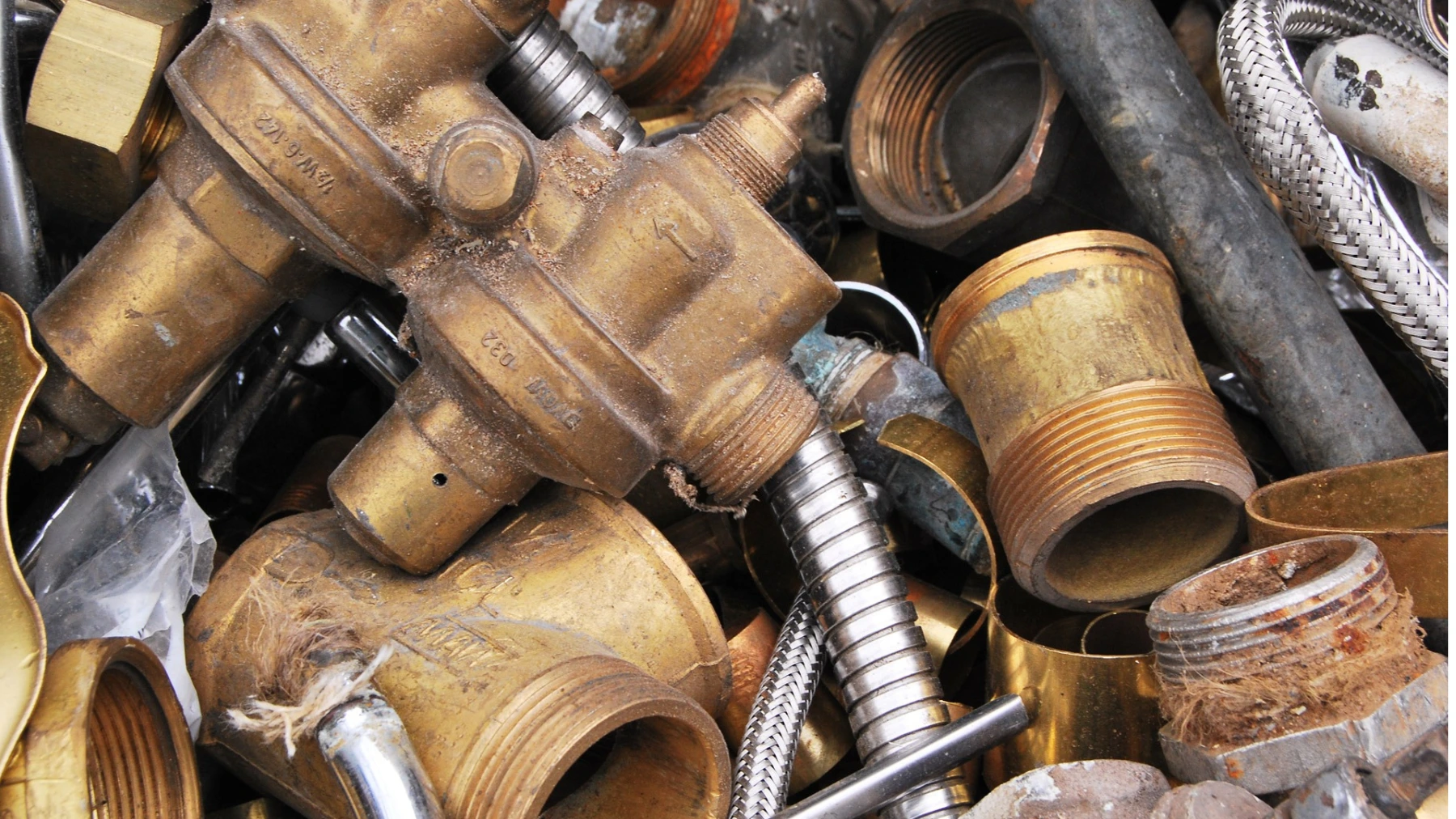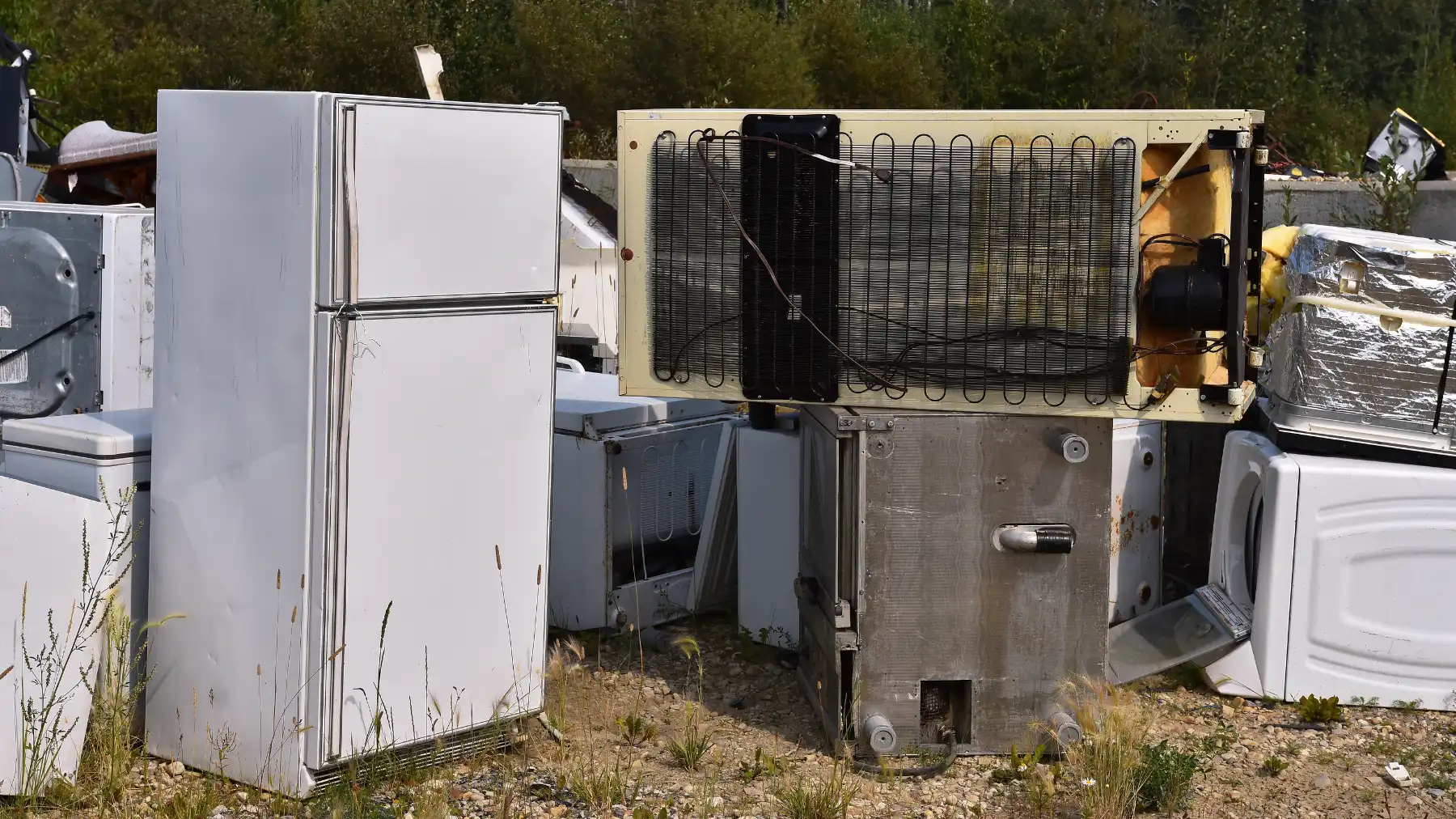
An Industry Guide: How Does Scrap Metal Recycling Work?

Scrap metal recycling is an essential part of modern sustainability. It conserves natural resources, saves energy, and keeps valuable materials in circulation rather than in landfills. In Colorado, with its unique blend of industrial activity and environmental consciousness, metal recycling plays a vital role.

Let's take an in-depth look at how this process works.

Understanding Scrap Metal Recycling

Before diving into the specifics of Colorado, it's important to understand the basics of scrap metal recycling.

What is Scrap Metal?

Scrap metal comprises discarded metal suitable for reprocessing. It includes two primary categories:

Why Recycle Scrap Metal?

Recycling scrap metal has numerous benefits:

The Scrap Metal Recycling Process

The process of recycling scrap metal involves several key steps:

  1. Collection and Transportation: Scrap metal can be collected via container services from various sources, including households, businesses, and industrial sites. Or you can personally drive it to your local scrap yard that supports recycling drop off services.
  2. Sorting: Metals are sorted into ferrous and non-ferrous categories using magnets and other techniques.
  3. Processing: Metals are shredded, melted, and purified to ensure quality.
  4. Solidification and Transportation: The purified metal is solidified into bars, sheets, or other forms and transported to manufacturers.
  5. Manufacturing: Recycled metal is used to create new products, completing the recycling loop.

Metal Recycling in Colorado

Colorado’s diverse industrial and consumer landscape influences its scrap metal recycling:

Numerous facilities across Colorado specialize in metal recycling. These range from small, local scrap yards to large processing plants. They work closely with both industrial producers of scrap metal and individual consumers.

Industry-Specific Scrap Metal Recycling Solutions

Different industries generate unique types and volumes of scrap metal requiring specialized recycling approaches. Understanding how scrap metal recycling works for your specific industry helps maximize returns, reduce disposal costs, and meet sustainability requirements.

Utility Companies

Utilities often replace large volumes of metal cable, conduit, and transmission equipment. Recycling this material — especially copper and aluminum — helps recover significant value while reducing waste from infrastructure upgrades.

Common sources of valuable and recyclable materials include: 

Iron and Metals works with utility companies to provide on-site container services for large infrastructure projects, documentation support for asset disposal tracking, and scheduled pickup services that align with project timelines and maintenance schedules.

HVAC Contractors

From air conditioning units and furnaces to copper coils and aluminum ducting, HVAC work produces recyclable materials every day. Properly separating copper, aluminum, and steel components ensures top dollar for clean scrap while promoting sustainable service practices.

HVAC contractors can uncover value from various plumbing components and appliances:

The container programs offered by Iron and Metals support HVAC contractors managing commercial retrofits or seasonal equipment replacement volumes, while drop-off services accommodate residential contractors with steady but smaller material flows.

Plumbing Contractors

Plumbing generates some of the most valuable scrap metal in construction trades:

Iron and Metals offers plumbing contractors dedicated containers for high-value metals like copper and brass, mixed metal solutions for projects generating diverse materials, and flexible pickup scheduling that accommodates project-based work cycles.

Demolition Companies

Demolition projects generate large quantities of structural steel, rebar, conduit, and fixtures. Sorting metals on-site and using roll-off containers simplifies recycling logistics and increases project efficiency:

For demolition companies, we provide multiple container sizes including 40-yard roll-offs for large projects, rapid exchange services during active demolition phases, on-site sorting support for projects requiring material separation, and weight tickets and documentation for project accounting and regulatory compliance.

Telecommunications Companies

Old cables, hardware, and grounding systems contain high-value metals like copper and brass. Recycling this equipment responsibly reduces environmental impact and supports corporate sustainability goals.

Telecommunications infrastructure generates valuable and specialized scrap metals through network upgrades and equipment replacements:

Our team supports telecommunications companies with secure container services for valuable copper cable, coordinated pickup scheduling for infrastructure projects, documentation for asset tracking, and competitive pricing for diverse telecom metals.

Department of Transportation and Public Works

DOT and public works operations generate substantial scrap metal through road maintenance, bridge work, and infrastructure projects:

We work with government entities to provide contract pricing programs for ongoing recycling needs, container placement at maintenance facilities, scheduled route pickups coordinating with project timelines, and comprehensive documentation supporting procurement and sustainability reporting requirements.

Manufacturing and Industrial Facilities

Manufacturing operations generate consistent scrap metal streams from production processes and maintenance activities:

For manufacturers, Iron and Metals offers dedicated container placement within facilities, customized pickup schedules matching production cycles, material-specific pricing programs for high-volume single materials, and reporting and documentation supporting ISO certification and sustainability initiatives.

Commercial Construction Contractors

Commercial construction generates diverse metals through new construction and tenant improvement projects. Here’s where to look:

We support commercial contractors with job site container placement coordinating with construction schedules, multiple container options for material separation or mixed collection, project-based pickup scheduling, and documentation supporting LEED certification and green building requirements.

Automotive and Equipment Repair

Automotive repair and equipment maintenance operations generate consistent scrap metal from vehicle service and part replacements:

Iron and Metals provides automotive operations with convenient drop-off hours accommodating shop schedules, clear pricing for common automotive metals, small to medium container options matching typical volumes, and fast turnaround service minimizing time away from shop operations.

Getting Involved in Scrap Metal Recycling in Colorado

If you're in Colorado and looking to recycle scrap metal, here's how you can get involved:

For the Future

Scrap metal recycling is more than just a way to manage waste; it's a crucial component of a sustainable future. In Colorado, this process is shaped by the state’s unique characteristics and challenges. By understanding and participating in metal recycling, we can contribute to preserving natural resources, reducing environmental impact, and supporting the local economy. As we continue to innovate and improve recycling processes, the role of scrap metal recycling in Colorado will undoubtedly become even more significant.

Get started today and call us for your first FREE scrap metal container.

Water Heater Recycling Made Easy: Scrap Metal Solutions for HVAC Contractors

For HVAC contractors in Denver, Colorado and the surrounding areas, water heater installations and replacements are routine jobs that generate significant amounts of recyclable scrap metal. Whether you're replacing a single residential unit or handling multiple commercial installations, understanding water heater recycling can transform waste disposal costs into revenue streams while supporting environmental sustainability.

At Iron and Metals Inc, we work with HVAC contractors throughout the Denver area who have discovered that proper water heater recycling not only reduces disposal costs but also provides valuable returns on materials that would otherwise end up in landfills.

Let's explore how you can streamline your water heater recycling process and maximize your returns.

Why Water Heater Recycling Matters for HVAC Contractors

Water heater recycling offers multiple benefits for professional contractors beyond simple waste management. Every water heater contains valuable metals that retain significant scrap value, including steel tanks, copper components, aluminum heat exchangers, and brass fittings.

From a business perspective, efficient water heater recycling helps contractors:

The average residential water heater contains 40-60 pounds of steel, plus valuable non-ferrous metals that can significantly offset disposal costs when properly recycled.

Understanding Water Heater Components and Their Value

Steel Tank Construction

The primary component of most water heaters is the steel tank, which typically accounts for 70-80% of the unit's total weight. These tanks are constructed from high-quality steel that commands competitive scrap metal prices, especially when properly prepared.

Electric water heaters often feature additional steel components in their heating element housings, while gas units include steel flue pipes and combustion chambers. Understanding these variations helps contractors maximize their water heater recycling returns.

Copper Tubing and Heat Exchangers

High-efficiency water heaters, particularly tankless and condensing units, contain substantial amounts of copper tubing in their heat exchanger systems. Copper consistently ranks among the most valuable scrap metals, making these components particularly lucrative for water heater recycling.

Common copper components include:

Proper extraction and preparation of copper components can significantly increase the overall value of your water heater recycling efforts.

Aluminum Fins and Heat Transfer Components

Many modern water heaters incorporate aluminum fins and heat transfer surfaces to improve efficiency. These aluminum components, while lighter than steel or copper, still provide valuable recycling returns when properly sorted and prepared.

Aluminum components commonly found in water heater recycling include:

Brass Fittings and Valves

Water heaters contain numerous brass fittings, including temperature and pressure relief valves, drain valves, and various connection fittings. While these components are smaller by volume, brass commands premium scrap metal prices that make careful collection worthwhile.

Proper Water Heater Recycling Preparation

Pre-Removal Planning

Successful water heater recycling begins before you remove the unit. Plan your approach to maximize component separation and minimize contamination. Completely drain all water from the tank and disconnect the electrical and gas safely. Identify any valuable components for separate collection, and assess whether on-site disassembly or bulk collection makes more sense.

Safe Disassembly Techniques

When disassembling water heaters for maximum recycling value, follow these professional practices:

Steel Tank Preparation:

Copper Component Extraction:

Aluminum Component Handling:

Contamination Prevention

Contamination significantly reduces scrap metal value in water heater recycling. Key contamination sources to avoid include:

Taking time to properly clean and separate components during water heater recycling preparation pays dividends in higher scrap metal prices.

Bulk Water Heater Recycling Solutions

Roll-Off Container Services

For HVAC contractors handling multiple installations or large commercial projects, roll-off container services provide the most efficient water heater recycling solution. These containers accommodate bulk quantities while maintaining proper separation of metal types.

Iron and Metals Inc offers various container sizes suitable for different project scales:

Scheduling and Logistics

Efficient water heater recycling requires proper scheduling coordination. Try to schedule containers to arrive just before major installation periods and coordinate pickups with your installation schedule. Also be sure to plan for seasonal variations in replacement volume.

Think about where on-site containers will be placed for adequate access during delivery and pickup. Be sure to take job site safety and workflow requirements into consideration as well.

Mixed Metal Strategies

While separating components maximizes value, bulk water heater recycling with mixed metals can still provide good returns while saving labor time. Work with your recycling partner to understand pricing for mixed loads versus separated materials.

Maximizing Returns Through Proper Sorting

On-Site vs. Off-Site Processing

Decide whether to disassemble water heaters on-site or transport them whole based on things like available labor time and costs, transportation capacity and costs, storage space at your facility, and volume of units processed monthly.

For high-volume contractors, establishing an efficient off-site processing system often provides the best balance of time investment and recycling returns.

Component Value Hierarchy

Focus your separation efforts on the highest-value components first:

  1. Clean copper tubing and heat exchangers - Highest per-pound value
  2. Brass fittings and valves - High value, easy to collect
  3. Aluminum components - Moderate value, lightweight
  4. Clean steel tanks - Lower per-pound value but high volume

Environmental Benefits and Compliance

Colorado Environmental Regulations

Colorado's environmental regulations encourage proper water heater recycling as part of sustainable waste management practices. Contractors who establish proper recycling procedures demonstrate compliance with state environmental goals while often reducing regulatory scrutiny.

Customer Perception and Marketing

Many Colorado homeowners and businesses value environmental responsibility. Marketing your proper water heater recycling practices can differentiate your contracting business and attract environmentally conscious customers.

Consider highlighting your recycling practices in:

Choosing the Right Professional Recycling Partner

Select a water heater recycling partner by analyzing their competitive and transparent pricing for various metal types and whether or not they offer convenient pickup and container services. Do they maintain the proper environmental certificates and operate in compliance? Do they have experience working with HVAC contractors?

Establishing a consistent and long-term relationship with a reliable recycling facility will pay off in the long run. You’ll feel confident knowing you’re getting fair pricing and predictable service levels. Some even offer priority scheduling during peak seasons, flexible container sizes and pickup timing, and expert advice on maximizing your recycling value.

Seasonal Considerations for HVAC Contractors

Peak Replacement Seasons

Water heater replacements often follow seasonal patterns that affect recycling logistics:

Winter Peak Season:

Spring and Fall Maintenance:

Technology and Efficiency Improvements

Modern Water Heater Designs

Newer high-efficiency water heaters often contain more valuable materials including increased copper content in heat exchangers and higher-grade stainless steel components. Modern designs also tend to have more sophisticated electronic controls (containing small amounts of precious metals).

Understanding these design differences helps contractors optimize their water heater recycling strategies for different unit types.

Tools and Equipment

Don’t forget to invest in proper tools to improve water heater recycling efficiency:

Getting Started with Professional Water Heater Recycling

Assessment and Planning

Begin by assessing your current water heater disposal costs and volume:

Implementation Strategy

Start with a manageable approach and scale up:

  1. Begin with bulk collection of whole units
  2. Gradually implement basic component separation
  3. Develop efficient disassembly procedures
  4. Optimize scheduling and logistics
  5. Expand to more detailed sorting as volume justifies

Measuring Success

Track key metrics to ensure your water heater recycling program delivers value:

The Future of Water Heater Recycling

As Colorado continues emphasizing environmental sustainability and circular economy principles, water heater recycling will become increasingly important for HVAC contractors. Emerging technologies and changing regulations will likely create new opportunities and requirements for professional recycling practices.

Contractors who establish efficient water heater recycling systems now position themselves advantageously for future regulatory changes while immediately benefiting from reduced costs and additional revenue streams.

Whether you're handling a few residential replacements monthly or managing large commercial installations, proper water heater recycling represents a significant opportunity to improve your bottom line while supporting Colorado's environmental goals.

Ready to streamline your water heater recycling process?

Contact Iron and Metals Inc today to discuss container services, current pricing, and how we can help your HVAC contracting business turn waste into profit. Our team understands the unique needs of Colorado contractors and can design a recycling solution that works for your operation.

Everything Plumbers Need to Know About Recycling Scrap Metal

Every plumbing job comes with its fair share of leftover materials. Too often, old copper pipes, brass fittings, and fixtures end up in dumpsters or junk piles. But there’s a better (and more profitable) way to handle them: by recycling scrap metal.

At Iron & Metals, we’ve worked with contractors and tradespeople across Colorado for decades, helping them turn job-site leftovers into real value. Whether you’re remodeling a bathroom, replacing a boiler, or clearing out an old HVAC system, smart recycling practices can keep materials out of landfills and add dollars back to your bottom line.

Why Scrap Metal Recycling Matters for Plumbers

Plumbing work naturally produces a steady stream of recyclable metals. Recycling not only reduces waste but also helps recover valuable materials that are in constant demand, especially copper and brass. For plumbers, it’s a simple way to boost sustainability and profit without adding extra work to the job.

When you separate and recycle your metals properly, you’re:

In short, recycling scrap metal turns everyday job waste into an ongoing revenue stream. That’s something every trade professional can appreciate.

Common Metals Plumbers Can Recycle

Plumbers handle a wide variety of metals every day, many of which have strong recycling value. Here are some of the most common materials worth saving:

Copper Pipe & Tubing

The top earner in plumbing scrap as it’s found in pipes, fittings, valves, and wiring. Clean copper (free from paint or solder) brings the highest value.

Don't stress too much about perfection here: recyclers understand that plumbing copper often has some solder joints and occasional brass fittings attached. The key is keeping it generally clean and separated from steel or other materials.

Mixed or insulated copper is worth recycling as well. Type M, Type L, Type K all recycles the same. The thickness differences that matter for plumbing applications don't typically affect recycling values. What matters is that it's copper and it's reasonably clean.

Pro tip: those short pieces you're tempted to toss? Save them. Get a dedicated bucket or container for copper scraps, even the small stuff. It's amazing how quickly it fills up.

Brass Fixtures & Fittings

Brass faucets and valves are the other major moneymaker in plumbing recycling. That old bathroom faucet you just replaced? Probably worth $5-15 depending on size and brass content. Old brass gate valves? Even better. The tricky part with brass is identifying genuine brass versus brass-plated steel or zinc (pot metal). If a magnet sticks to it, it's not solid brass. Real brass is non-magnetic.

Brass fittings accumulate surprisingly fast. Those compression fittings, flare fittings, and old shut-off valves—keep a separate container for brass, and you'll be amazed at how much you collect over a month.

Some modern fixtures use brass-plated materials to keep costs down. Don't assume everything that looks like brass is valuable brass. Remember, when in doubt, test it with a magnet or ask your recycler.

Cast Iron Components

Cast iron pipe and even old bathtubs come out during bathroom renovations, especially in older homes. Cast iron radiators show up during heating system updates or whole-house renovations. These things might be monsters to move, but the scrap value usually justifies having them hauled away versus paying disposal fees.

The weight of cast iron can work for or against you. On one hand, you're getting paid by the pound, so heavy is good. On the other hand, transportation becomes a real consideration. Having a recycler who offers pickup service for larger cast iron pieces can be a game-changer.

Stainless Steel Fixtures

Stainless steel sinks and fixtures are common in kitchen updates and commercial installations. While stainless doesn't command copper-level pricing, it's still worth recycling (and it's better money than regular steel).

The challenge with stainless is that it's often attached to other materials (countertops, cabinets, etc.). Taking a few minutes to separate the stainless steel from wood, laminate, or other attachments improves your recycling value significantly.

Commercial grade stainless tends to be thicker and heavier than residential stuff, which means better scrap returns. If you work on restaurant or commercial kitchen projects, pay attention to those stainless fixtures.

Aluminum & Other Metals

Aluminum fittings show up occasionally, though less frequently than copper or brass. Some modern water supply systems use aluminum tubing (like PEX with aluminum core), though the plastic components limit recycling value.

Galvanized steel pipe is definitely recyclable, though it's not going to excite anyone price-wise. Still, if you're pulling out significant lengths during a repipe, it's worth recycling rather than dumping.

Lead pipe (yes, it's still out there in really old homes) requires special handling. If you're removing lead supply lines, check with your recycler about their specific requirements, as lead has regulatory considerations.

Water Heaters and Pumps

A water heater’s outer tank is steel (recyclable), the inner tank lining may have some copper components, and many units have copper heat exchangers or tubes. Gas control valves often contain brass. Tankless water heaters have copper heat exchangers that are worth the effort to extract if you're replacing a lot of them. Those compact units pack surprising copper content.

Boilers are even better from a recycling perspective. Cast iron or steel bodies, copper coils, brass fittings—they're essentially entire recycling hauls by themselves.

Before recycling water heaters, make sure they're properly drained and you've recovered any valuable brass components like pressure relief valves and drain valves.

Best Practices for Recycling Scrap Metal

Recycling scrap metal efficiently doesn’t have to complicate your work. A few simple habits can make a big difference in how much you earn and how smooth the process is.

Setting Up Your Collection System

Get dedicated containers for different material types. At minimum, you want separate collections for copper, brass, and steel/iron. Some plumbers go further with separate containers for different copper grades (clean pipe versus attached fittings), but start simple and add complexity if it makes sense for your volume.

Keep containers in your truck so you're collecting materials throughout the day rather than sorting through trash at the end. A couple 5-gallon buckets work great for copper and brass, while a larger bin handles bulkier items like water heaters and cast iron.

Label everything clearly. When you've got helpers or apprentices on jobs, clear labeling prevents valuable brass from ending up in the steel pile. Use permanent markers or labels that won't fall off.

Job Site Organization

Designate a scrap area on larger jobs where all recyclable metals go. This prevents materials from getting lost, mixed with construction debris, or accidentally hauled away with trash.

Communicate with customers about your recycling practices. Most homeowners appreciate knowing you're recycling their old materials rather than dumping everything. For commercial jobs, document material weights and recycling for their records.

Coordinate with other trades when you're on multi-trade job sites. Sometimes the HVAC crew is pulling copper, the electricians have wire to recycle, and you've got your own pile. Working together on recycling logistics can benefit everyone.

Security matters for valuable materials like copper and brass. On longer jobs, don't leave significant amounts of scrap metal sitting around unsecured overnight. Take it to your truck or shop regularly.

Cleaning and Preparation Tips

The difference between mediocre scrap prices and good prices often comes down to preparation. Here's what actually matters:

Remove obvious attachments from copper pipe. That means plastic clips, mounting brackets, and excessive amounts of other materials. You don't need to make it perfect, but obviously attached non-copper stuff hurts your pricing.

Drain water heaters completely before hauling them. This seems obvious, but you'd be surprised. Wet materials mean you're paying to transport water weight that doesn't help your scrap value.

Separate brass from steel in fixtures. If you can easily remove brass components from steel mounting hardware, do it. Takes 30 seconds and can make a real difference in pricing.

Keep copper relatively clean but don't kill yourself over minor solder joints or small attached fittings. Most recyclers understand plumbing copper isn't going to be pristine. The goal is "reasonably clean," not "surgical room clean."

Break down large items when practical. A water heater that's been disassembled into its component metals (steel body, copper components, brass fittings) might get better aggregate pricing than the whole unit.

Documentation and Tracking

Track your scrap volumes and revenues monthly. Many plumbers are surprised when they actually run the numbers on their recycling returns. This information also helps with tax documentation.

Keep receipts from recycling transactions. These are legitimate business income that affects your taxes and also provides proof of responsible material disposal if questions ever arise.

Photo documentation on larger jobs can support insurance claims, customer questions, or regulatory compliance needs. A quick phone pic of your scrap pile before hauling shows you're handling materials properly.

Mileage tracking for recycling trips is deductible, just like any other business errand. If you're making dedicated trips to the recycling facility, track those miles.

Safety Considerations for Handling Scrap Metal

Plumbers already know how to handle metal safely. You work with this stuff all day. But recycling operations can create slightly different hazards worth considering.

Sharp edges multiply when you're dealing with cut pipe, removed fittings, and dismantled fixtures. Wearing cut-resistant gloves during collection and sorting prevents unnecessary injuries that slow you down.

Heavy materials like cast iron and full water heaters require proper lifting techniques or mechanical assistance. Throwing out your back loading a cast iron tub into your truck turns a profitable recycling trip into a money-losing injury.

Contaminated materials occasionally show up in plumbing work—old pipe with asbestos insulation, lead components in historic properties, or materials exposed to hazardous chemicals. Know what you're handling and follow appropriate safety protocols.

Loading and transportation safety becomes critical when you're hauling significant scrap loads. Properly secure materials in your truck, don't exceed weight ratings, and make sure you can see out all your mirrors.

How Iron & Metals Helps Colorado Plumbers

I&M has designed our services to make recycling scrap metal as easy as possible for plumbers.

Drop-Off Services

Our drive-on scales streamline the entire drop-off process from weighing to payment. We're set up for trucks of all sizes including cargo vans and fully-loaded flatbeds.

An appointment is not necessary for drop-offs during business hours. Swing by between jobs, at the end of your day, or whenever it fits your schedule.

We offer material identification support. If you're not sure whether something is brass or bronze, or you want verification on material grading, our team can help.

Container Services for High-Volume Plumbers

If you're doing large commercial jobs or multiple residential projects, our roll-off container service can make life easier. We can deliver a container to your shop or job site and pick it up when it's full.

Different container sizes accommodate different volumes. A 20-yard container works great for plumbing contractors doing steady residential work, while larger contractors or commercial specialists might prefer 30 or 40-yard options.

Scheduled or on-call pickup is available depending on your needs. Some plumbers like regular monthly pickups, others prefer calling when containers are full.

Transparent Pricing

We always strive to provide current market pricing for copper, brass, steel, and other common plumbing materials. Market updates can also be provided if you want to understand price fluctuations. Copper and brass prices move with global markets, and we're happy to help you understand trends that affect your scrap revenues.

Business Support

Tax documentation is provided for all transactions. Sustainability documentation for plumbers working with commercial clients who need recycling records are also available. We can provide weight tickets and material certifications that support your customers' ESG reporting.

Maximizing Your Scrap Metal Returns

Want to make more money from recycling scrap metal? Here are the strategies that actually work:

Turning Pipe into Profit

Every plumbing project creates scrap — it’s part of the job. But when handled right, that scrap can become a reliable source of extra income and a simple way to support environmental responsibility.

Bring your leftovers to Iron & Metals, and we’ll make sure it’s recycled safely, efficiently, and for the best possible return.

Stop by today to learn how easy it is to turn old pipes, fixtures, and fittings into real value.

How to Prep Brass Scrap for Recycling: Maximizing Returns from Faucets, Fittings, and Fixtures

Brass scrap recycling represents one of the most lucrative opportunities in the metal recycling market, yet many plumbers, contractors, and homeowners consistently leave money on the table through improper identification and preparation techniques. Understanding how to properly handle brass scrap from faucets, fittings, and fixtures can transform routine renovation waste into significant revenue streams.

At Iron and Metals Inc, our decades of experience in Colorado's recycling market have shown that properly prepared brass scrap can command premium prices—often 30-50% higher than improperly sorted or contaminated materials. The difference between throwing mixed metals into a general container and taking time to properly prepare brass components can mean hundreds or even thousands of dollars in additional revenue for busy contractors and renovation projects.

Brass recycling success hinges on three critical factors: 

  1. Accurate identification of genuine brass components
  2. Proper cleaning and preparation techniques, and
  3. Understanding market factors that influence pricing.

Whether you're a professional plumber managing multiple job sites or a homeowner tackling a single bathroom renovation, mastering these fundamentals ensures maximum returns from your brass scrap materials.

Understanding Brass Composition and Value

Brass represents an alloy primarily composed of copper and zinc, with copper content typically ranging from 60-85%. This high copper content directly correlates to brass's substantial recycling value, as copper consistently ranks among the most valuable recyclable metals in the market.

Different brass alloys command different prices based on their copper content. Red brass, containing approximately 85% copper, represents the highest-value category, while yellow brass typically contains 60-70% copper. Understanding these distinctions helps prioritize which materials deserve the most attention during preparation processes.

Quality preparation significantly impacts final pricing, with clean, sorted brass commanding premium rates compared to mixed or contaminated materials. Professional recyclers can immediately identify properly prepared materials, leading to better pricing negotiations and faster processing times.

Identifying Genuine Brass in Common Fixtures

Accurate brass identification forms the foundation of successful recycling preparation, as many fixtures marketed as "brass" actually contain brass-plated steel, pot metal, or other lower-value materials that significantly reduce scrap value.

Visual and Physical Testing

Genuine brass exhibits a distinctive golden-yellow color that remains consistent throughout the material thickness. Surface scratching reveals the same color underneath, while plated materials show different base metals beneath thin surface layers. Weight provides another reliable indicator, as solid brass fixtures feel substantially heavier than brass-plated alternatives due to brass's density.

The magnet test offers the quickest and most reliable brass identification method. Genuine brass is non-magnetic, meaning magnets will not attract brass materials. If a fixture attracts magnets, it contains ferrous metals and is not genuine brass. However, non-magnetic results don't guarantee brass composition, as aluminum, copper, and other non-ferrous metals also repel magnets.

Common Sources in Renovation Projects

Kitchen renovations consistently produce substantial brass scrap through faucet replacements, cabinet hardware updates, and appliance connections. Single-handle kitchen faucets often contain 2-4 pounds of brass materials, while commercial-style faucets can yield significantly more. Cabinet hardware including drawer pulls and hinges frequently use solid brass construction in higher-end installations.

Bathroom renovations represent the highest-yield source for brass scrap due to the concentration of fixtures in small spaces. Complete bathroom renovations can easily produce 10-20 pounds of brass materials from faucets, shower systems, and hardware. Bathtub and shower faucets typically contain the largest individual brass components, with some vintage or high-end fixtures weighing 5-8 pounds each.

HVAC and plumbing systems modifications frequently involve brass components including valves, fittings, and connection hardware. Water heater connections, pressure relief valves, and distribution manifolds commonly incorporate brass components that can be recovered during system replacements.

Professional Cleaning and Preparation Techniques

Proper cleaning significantly impacts the final value of brass scrap by removing contaminants that reduce purity and complicate processing procedures. 

Basic Cleaning Procedures

Warm soapy water combined with scrubbing brushes effectively removes most surface contamination from brass fixtures. For fixtures with heavy mineral deposits, white vinegar provides an effective, non-toxic cleaning solution that dissolves calcium and lime buildup without harming brass materials.

After cleaning, thorough rinsing and drying prevent water spots and corrosion that could develop during storage periods. Proper drying also allows for accurate weight assessments and quality inspections.

Removing Non-Metal Components

Maximizing brass scrap value requires removing non-metal components that reduce overall purity. Plastic gaskets, rubber seals, ceramic cartridges, and other non-metal parts should be systematically removed. Screws, springs, and other ferrous metal components should also be removed when possible, as mixed metals typically receive lower pricing than pure brass lots.

Some fixtures contain multiple metal types including brass bodies with chrome-plated steel components. Separating these materials allows both brass and steel portions to be recycled appropriately, maximizing total value. Electronic components in modern fixtures including sensors or LED lights should be removed and handled as electronic waste.

Contamination Prevention and Quality Control

Contamination represents the primary factor reducing brass scrap values, with even small amounts of inappropriate materials significantly impacting pricing. Paint and coatings applied to brass fixtures create processing complications and typically result in price deductions. Complete paint removal through mechanical cleaning may be necessary for heavily coated fixtures.

Soldering flux, pipe compound, and other plumbing materials can contaminate brass surfaces. These materials should be removed through appropriate cleaning procedures before recycling submission. Mixed metals represent another significant contamination issue, particularly when brass components are left attached to steel, aluminum, or other materials.

Industry Grading and Sorting Standards

Professional recyclers utilize standardized grading systems that categorize brass materials based on composition, cleanliness, and preparation quality.

Achieving premium grades requires systematic preparation procedures including complete removal of non-brass components, thorough cleaning, and proper sorting. Understanding these requirements helps determine appropriate preparation levels for different material quantities.

Tools and Safety Equipment

Effective brass preparation requires appropriate tools that facilitate disassembly and cleaning without damaging materials. Basic hand tools including adjustable wrenches, pliers, and screwdrivers enable disassembly of most fixtures while preserving component integrity. Wire brushes and scraping tools remove surface contamination without introducing ferrous metal contamination.

Magnets help identify and separate ferrous metal components from brass materials, ensuring proper sorting. For higher-volume operations, power tools including angle grinders and wire brushes mounted on drill motors can accelerate preparation while maintaining quality standards.

Safety equipment remains critical during preparation procedures. Eye protection prevents injuries from debris and metal fragments, while appropriate gloves prevent cuts and chemical exposure. Respiratory protection may be necessary when using chemical cleaners or generating dust during mechanical preparation.

Maximizing the Value of Brass Scrap

Consider these expert tips when recycling brass scrap and looking to maximize value.

Time the Market

Brass scrap prices fluctuate based on global copper markets and economic conditions. Copper prices tend to follow economic cycles with higher prices during periods of strong construction activity. Understanding these patterns helps optimize timing for material sales, though storage costs and working capital requirements must be balanced against potential price improvements.

Strategic accumulation during lower-price periods allows sales timing optimization, but requires proper storage facilities that protect materials from contamination, theft, and weather exposure. Documentation systems tracking market prices and accumulation costs help evaluate timing strategy effectiveness.

Work with Recycling Facilities

Selecting appropriate recyclers based on pricing transparency, processing capabilities, and location affects brass recycling success. Volume commitments can often secure better pricing arrangements, particularly for contractors generating consistent brass scrap quantities. Quality consistency demonstrates professional preparation procedures and reduces processing costs for recyclers, justifying premium pricing.

Comprehensive documentation systems support operations through pricing negotiations and business optimization. Weight and pricing records enable tracking of market trends and recycler performance over time, supporting future negotiation strategies and recycler selection decisions.

Pay Attention to Legal and Environmental Best Practices

Brass recycling operations must comply with various regulations governing material handling, transportation, and business operations. Business licensing requirements may apply for substantial material volumes, while transportation regulations govern weight limits and securing requirements.

Sustainable practices including contamination prevention and proper waste disposal protect environmental quality while maintaining material values. These practices demonstrate social responsibility and may create competitive advantages in recycler relationships.

Future Trends and Opportunities

Advancing technologies are transforming brass recycling through improved sorting and processing capabilities. Automated systems and quality verification technologies may create new premium pricing opportunities for high-purity materials. Growing emphasis on sustainable construction practices supports strong long-term demand for recycled brass materials.

Colorado's continued growth in construction and renovation activity supports strong regional demand for brass recycling services. Supply chain localization trends may increase demand for regional recycled materials, potentially improving pricing for local operations.

Conclusion

Successful brass recycling requires systematic approaches to identification, preparation, and market engagement that transform renovation waste into substantial revenue opportunities. Proper identification techniques prevent costly mistakes while thorough preparation procedures maximize material values and support strong recycler relationships.

The difference between casual disposal and professional brass recycling can represent significant annual revenue for contractors and renovation professionals. Market awareness, strategic timing, and professional documentation create competitive advantages while contributing to environmental sustainability through responsible material recovery.

Ready to maximize your brass recycling returns? Contact Iron and Metals Inc today to discuss pricing, preparation requirements, and pickup services tailored to your specific brass recycling needs. Our decades of experience in Colorado's recycling market can help you develop systematic approaches that consistently maximize value from your brass scrap materials.