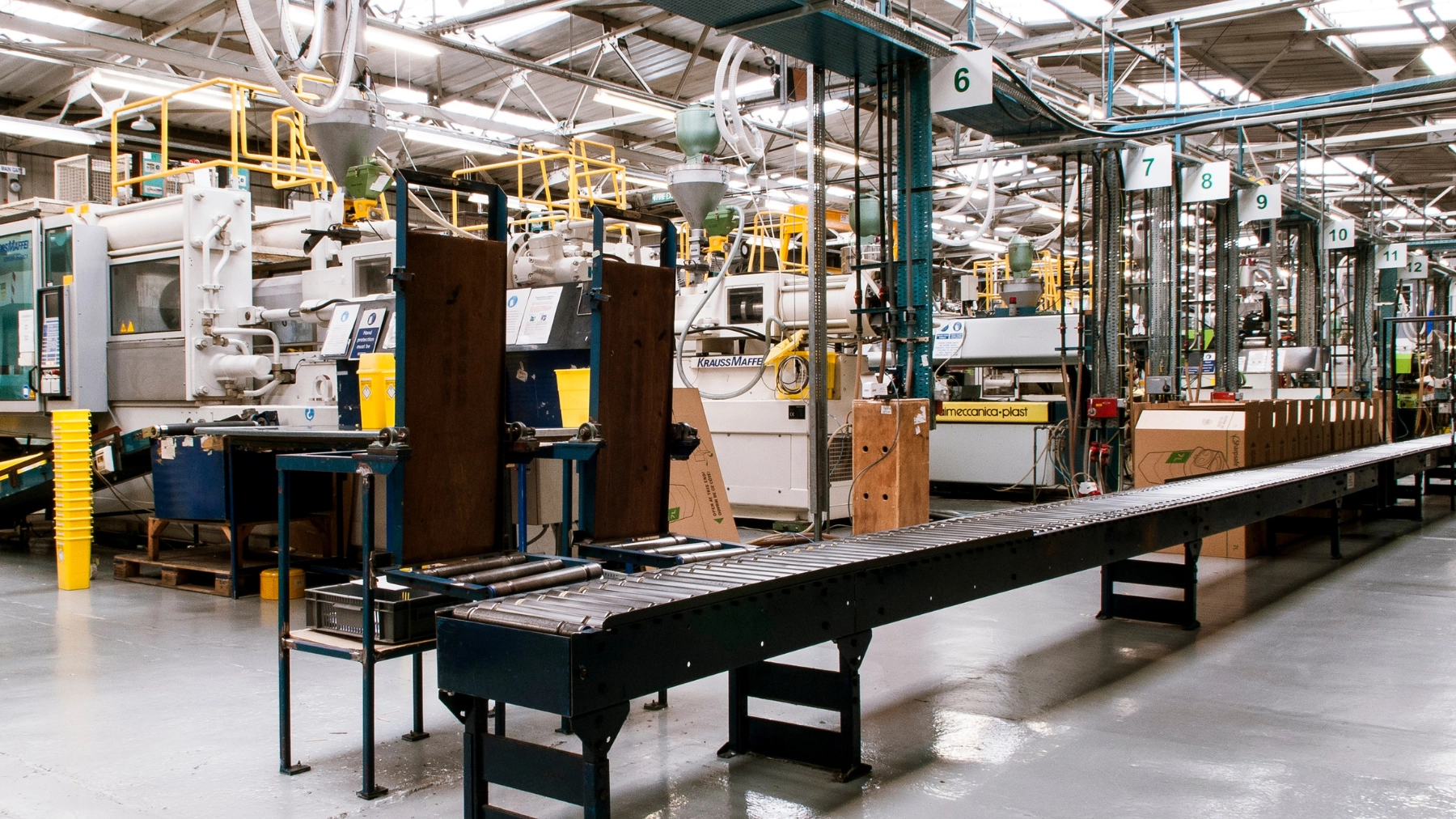
Managing Stainless Steel Scrap Metal in Precision Medical Machining

Precision medical machining demands accuracy, consistency, and strict adherence to material standards. Whether producing surgical instruments, implants, or diagnostic equipment components, manufacturers rely heavily on stainless steel for its strength, corrosion resistance, and biocompatibility.

But with high-precision manufacturing comes inevitable material loss. Offcuts, machining chips, rejected parts, and trim waste all contribute to stainless steel scrap metal that must be handled properly.

For medical machining facilities, managing this scrap efficiently is essential, not just for cost control, but for maintaining compliance, protecting material integrity, and supporting clean manufacturing environments.

Why Stainless Steel Scrap Matters in Medical Manufacturing

Stainless steel is one of the most commonly used materials in medical machining due to its performance and regulatory acceptance. Grades such as 304, 316, and 316L are frequently used for components that must withstand sterilization and long-term use.

Because of the tight tolerances required in medical applications, machining processes often generate higher scrap rates than standard manufacturing environments. Small deviations can result in rejected parts, and complex geometries often produce significant chip volume.

That means stainless steel scrap is a constant output. If it’s not managed correctly, it becomes a hidden cost.

Proper recycling turns that waste stream into a recoverable resource.

Common Sources of Stainless Steel Scrap

In precision medical machining environments, scrap is generated at multiple stages of production.

CNC machining produces large volumes of turnings and chips, especially when working with hardened stainless alloys. Milling and drilling operations generate fine material that must be collected and stored properly.

Cutting and forming processes create offcuts and drop pieces, while finishing and inspection stages often produce rejected parts that must be scrapped.

Even prototyping and short-run production contribute to scrap accumulation, particularly in facilities producing custom or highly specialized components.

Understanding where scrap is generated helps facilities build more efficient collection and recycling systems.

The Importance of Clean, Segregated Scrap

In medical manufacturing, cleanliness is already a priority. That standard should extend to scrap handling, too.

Stainless steel scrap that is mixed with other metals or contaminated with excessive coolant, plastics, or debris will typically receive lower recycling value. In some cases, contamination may require additional processing or lead to rejected loads.

Separating stainless steel from other materials such as aluminum or carbon steel helps preserve its value. When possible, keeping different grades of stainless separate can also improve pricing.

For facilities working with 316 or 316L stainless, which are common in medical applications, maintaining grade separation is particularly important due to their higher alloy content.

Clean, well-managed scrap is easier to handle, safer to store, and more valuable when recycled.

Best Practices for Managing Stainless Steel Scrap

Efficient scrap management starts at the machine level and extends across the facility.

Compliance and Traceability in Medical Manufacturing

Medical machining facilities operate under strict regulatory frameworks. Cleanliness, traceability, and documentation are essential at every stage of production — including waste handling.

Scrap management should align with internal quality systems and external certifications such as ISO standards.

Working with a recycling partner that provides accurate weight tracking and documentation helps support:

Maintaining visibility into scrap handling ensures compliance without adding unnecessary administrative burden.

Protecting Value in High-Precision Environments

Because stainless steel used in medical applications often contains higher-value alloys, protecting scrap value is critical.

Avoiding cross-contamination, maintaining clean storage conditions, and keeping high-grade materials separate all contribute to stronger recycling returns. Facilities that treat scrap as a controlled material stream — rather than general waste — are better positioned to recover value and maintain operational efficiency.

In many cases, improving scrap handling processes also highlights opportunities to reduce waste upstream, supporting continuous improvement initiatives.

How Iron & Metals Supports Medical Manufacturers

Iron & Metals works with Colorado manufacturers, including precision machining facilities, to manage stainless steel scrap efficiently and reliably.

We provide:

Our team understands the importance of clean handling, consistent service, and straightforward processes that fit into highly regulated manufacturing environments.

Final Thoughts

Managing stainless steel scrap metal in precision medical machining is about more than cleanup. It’s an opportunity to reduce costs, maintain compliance, and improve overall operational efficiency.

With proper separation, consistent collection, and the right recycling partner, scrap becomes a valuable part of the production cycle rather than a burden.

Let Iron & Metals streamline your scrap management with dependable service and transparent pricing.

Contact us ahead of your next project for support in both performance and profitability.

Efficient Solutions for CNC Recycling: Turning Scrap into Sustainable Value

Did you know that over 150 million tons of scrap metal are generated every year in the U.S., and iron and steel amount to 50 million of that alone? With the increase in CNC machining technologies, the need for efficient CNC recycling and scrap metal management has never been more critical. In this blog post, we'll explore the transformative potential of CNC recycling and how industries can turn their scrap into sustainable value. 

Whether you are a business owner looking to minimize waste, a hobbyist wanting to responsibly dispose of your materials, or someone simply interested in sustainability, this guide will provide you with insightful strategies and innovative solutions for recycling CNC waste effectively. 

The Importance of CNC Recycling in Today’s World

CNC (Computer Numerical Control) machines play a crucial role in producing precise and intricate parts or components during the manufacturing process. However, these sophisticated machines come with a byproduct: scrap metal. Recycling this metal waste is not only beneficial for the environment but also offers significant economic advantages. 

What is CNC Recycling?

CNC recycling refers to the process of reusing and repurposing scrap metals generated by CNC machining operations. These materials can include everything from aluminum shavings to steel components. By effectively recycling these materials, businesses can reduce their carbon footprint, lower operational costs, and contribute to a greener economy.

Types of CNC Metal

Different types of CNC scrap metal are generated depending on the materials being processed:

The Impact of Scrap Recycling on the Environment

The environmental implications of recycling are profound. When scrap metals are recycled, the energy that would have been used in extracting and processing virgin materials is saved. Here are several environmental benefits of recycling CNC-produced scrap:

  1. Reduce Landfill Waste: By recycling scrap, we minimize the amount of waste that ends up in landfills.
  2. Energy Conservation: Recycling metals consumes significantly less energy compared to producing materials from raw resources.
  3. Water Pollution Reduction: Scrap recycling lowers the risk of pollution that can occur from mining activities.
  4. Conservation of Natural Resources: By recycling, we extend the lifespan of our natural resources.

The Economic Benefits of CNC Recycling

Recycling CNC metal is not just an environmental responsibility; it also makes good business sense. Here are some economic benefits:

  1. Cost Savings: Companies can save money on disposal fees and earn revenue through recycled materials.
  2. Increased Efficiency: Efficient recycling methods can elevate production efficiency and reduce costs associated with waste management.
  3. Market for Recycled Materials: The demand for recycled metals is constantly growing, providing businesses with additional revenue streams.

Effective Strategies for CNC Scrap Management

To successfully manage scrap CNC metals, businesses should implement the following strategies:

  1. Establish a Scrap Management Policy

Develop a clear policy that outlines how scrap metal will be handled. This may include designated areas for scrap storage and procedures for disposal. 

  1. Implement Regular Audits

Conduct regular audits of scrap production to understand the types and quantities of waste generated, facilitating better management decisions.

  1. Train Employees

Educate staff on the importance of recycling and the specific procedures in place. Employees should understand how to separate scrap materials properly. 

  1. Partner with Recycling Companies

Build a relationship with a dependable recycling company that can provide scrap metal pickups and offer competitive pricing for materials.

  1. Consider On-Site Recycling Options

Some businesses may benefit from on-site recycling equipment that allows them to process scrap into reusable materials directly.

Choosing the Right Recycling Partner

Selecting the right scrap metal recycling partner is crucial for successful CNC recycling. When considering partners, look for:

Implementing Recycling Programs

Creating effective recycling programs requires careful planning. Start small, and gradually incorporate more elements as your operation becomes accustomed to these practices. Here’s a step-by-step guide to implementing a recycling program:

Step 1: Assess Your Scrap

Identify the types and volumes of scrap generated in your CNC operations.

Step 2: Set Clear Goals

Define what you want to achieve with your recycling program, whether it’s reducing waste by a percentage, increasing profit through selling scrap, or improving sustainability metrics. 

Step 3: Develop a Collection System

Determine how scrap metal will be collected, stored, and prepared for recycling. This may include color-coded bins or designated areas for different materials.

Step 4: Monitor Progress

Regularly evaluate the effectiveness of your recycling program against the goals set earlier. Make adjustments as necessary to optimize performance.

Step 5: Celebrate Success

Share achievements with employees and stakeholders, demonstrating the positive impact of recycling efforts.

Conclusion: Where Do We Go From Here?

Efficient applications for CNC scrap metal recycling are now more accessible than ever. By embracing and enhancing your scrap management strategies, you not only contribute positively to the environment but also create economic opportunities for your business. The transition to a recycling-oriented culture is a stepping stone toward sustainable practices in your operational model.


Need a better way to handle your CNC recycling needs?

Call us today to schedule a scrap metal container pickup or talk to our team about our container services. We’ll help you get the most from every cut while keeping your shop efficient, clean, and compliant.